

Eve Meyer may no longer be a widely recognized name, but in her time, she was a dazzling presence—an unforgettable blend of beauty, charisma, and ambition who left her imprint on both magazines and movie screens. Her life, marked by glamour and grit, came to a heartbreaking end in one of the most devastating aviation disasters the world has ever witnessed.
Long before she became Hollywood’s striking blonde bombshell, she was Evelyn Turner, a small-town Georgia girl with dreams bigger than the town that raised her. Born on December 13, 1928, she grew up in a family shaped by hard work—her father served in the U.S. Army, and her mother worked in textiles. When her parents separated at a time she was only 10, Eve’s world shifted dramatically. She went to live with her grandmother, carrying with her memories of picnics, fishing trips, and carefree afternoons—moments she would later recall as the brightest parts of her childhood.
Even as a child, Eve stood out. She was a natural tomboy, fearless in the face of rough-and-tumble adventures, yet unmistakably poised. She excelled academically and graduated high school with honors, already exhibiting the confidence and beauty that would define her public persona.
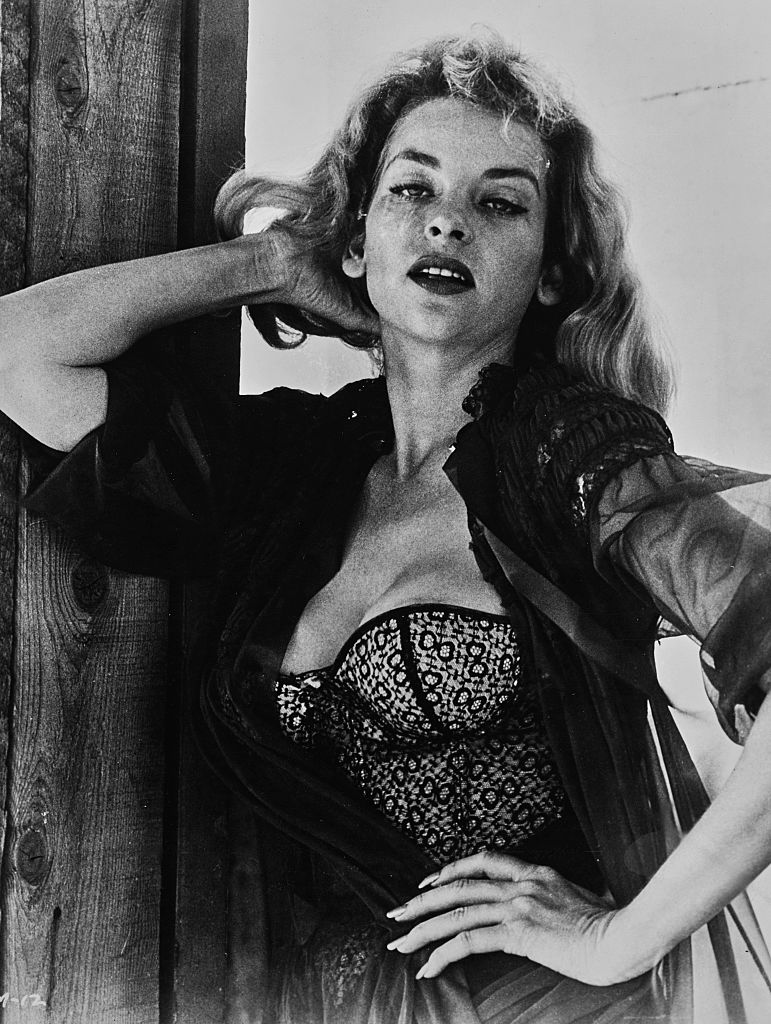
Modeling quickly became her calling. After high school, she started working at Western Union and transferred to San Francisco for a job that ultimately fell through. But that disappointment led her somewhere unexpected—into the orbit of a young photographer named Russ Meyer, whose career would eventually become intertwined with her own.
By the 1950s, Eve had emerged as one of the era’s most captivating pin-up models. Her presence blended glamour with self-assurance, earning her national attention. In June 1955, she achieved a major milestone when she was named Playboy’s Playmate of the Month, a moment that elevated her status and aligned her with the shifting cultural landscape of the time—one where women were increasingly portrayed as bold, independent, and unapologetically self-possessed.
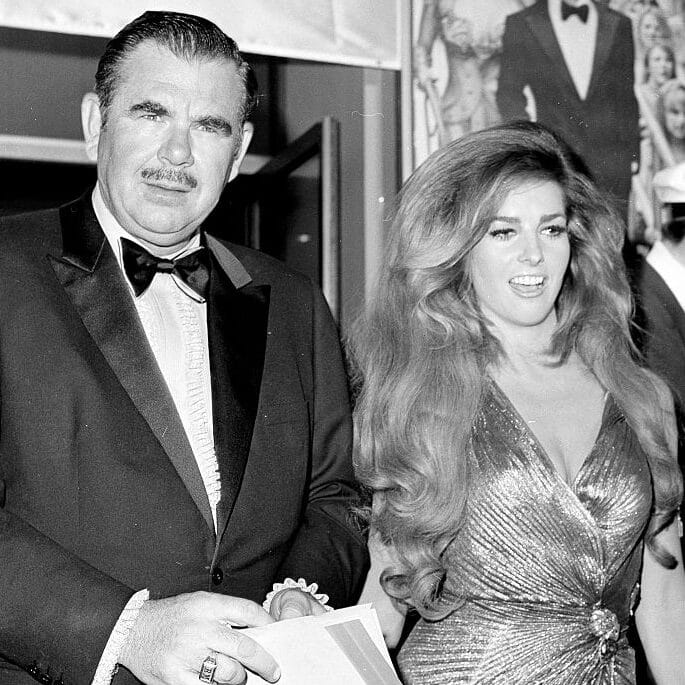
Her modeling success led naturally into film. After marrying Russ Meyer in 1952, Eve became a key figure in his creative world. The couple lived in a modern home overlooking the Sunset Strip, sharing a life that involved both affection and a deep artistic bond. Russ, known for his independent and often provocative films, found in Eve a muse who offered far more than just a beautiful face—she was sharp, grounded, and critically involved in the creative process.
She made her first on-screen appearance in 1955’s Artists and Models in an uncredited role, but by 1959 she had earned more substantial parts, including a memorable role in Operation Dames. Her progression in film mirrored her growing confidence; she was no longer just a model making occasional appearances—she was becoming a formidable presence in cinema.
The 1960s were a defining decade. Eve not only took on leading roles, such as in Eve and the Handyman (1961), but also carved out a significant space behind the scenes. She served as producer or associate producer on some of Russ Meyer’s most iconic films—including Lorna, Mudhoney, Faster, Pussycat! Kill! Kill!, and Beyond the Valley of the Dolls. Her influence shaped everything from pacing to visual style, and she gained a reputation as a creative force in a male-dominated industry.
Although she and Russ eventually divorced—accounts differ on whether the split occurred in 1966 or 1968—their parting was amicable. They maintained a friendship and continued to collaborate professionally, a testament to the mutual respect they shared.
Then came the tragedy.
On March 27, 1977, Eve Meyer boarded Pan Am Flight 1736, unaware that she was stepping into history’s deadliest aviation disaster. The Tenerife airport collision, involving both a Pan Am and a KLM aircraft, claimed 583 lives. Though 61 passengers from Eve’s flight survived, she was not among them. Her body was returned to Georgia for burial. She was only 48.
Her death was sudden, devastating, and deeply felt among those who knew her personally or admired her work. But it did not overshadow her legacy.
Eve Meyer helped redefine what a woman in independent cinema could be—assertive, visionary, and unafraid to shape the narrative both on-screen and behind the camera. Her films, still studied and celebrated today, reflect a boldness that was ahead of its time. And though her life ended far too soon, the impact she made through her artistry, resilience, and fearlessness continues to echo through decades of American film history.
Eve Meyer remains a reminder of what it means to rise, reinvent, and leave a mark that endures even in the face of unimaginable tragedy.