

CONTENT WARNING: This post discusses a Nazi concentration camp, forced labor, medical killings, and mass death. The information is historically verified but may be deeply upsetting. Purpose: education and remembrance only.
Stutthof Concentration Camp (1939–1945): From Polish Detention Site to Place of Mass Murder
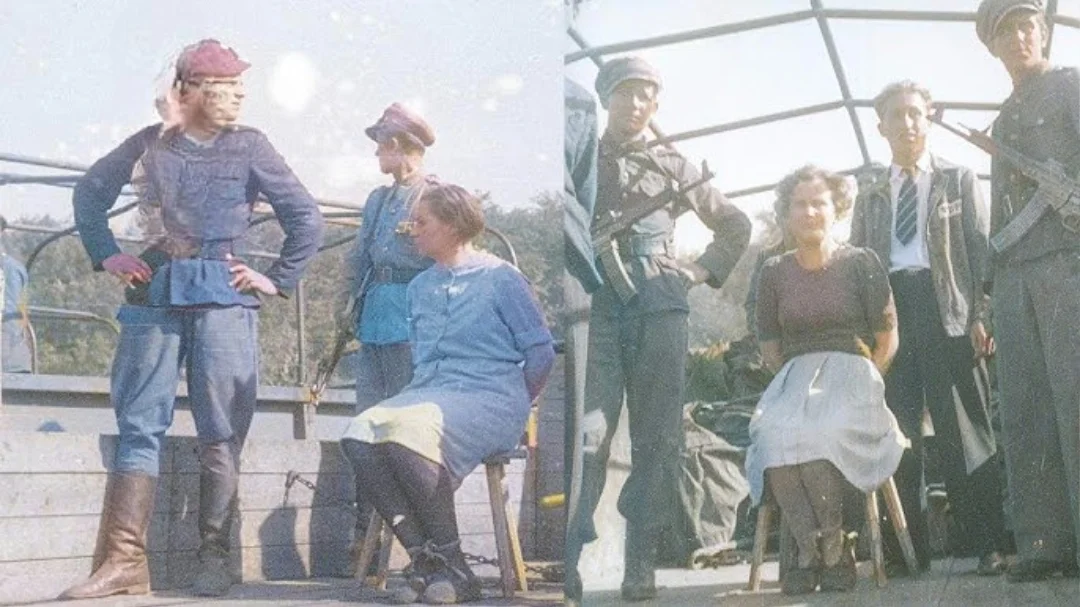
Located 34 km east of Gdańsk (formerly Danzig), Stutthof was the first Nazi concentration camp built outside pre-war German borders and one of the last to be liberated.
Established on 2 September 1939 — the day after Germany invaded Poland — it was originally intended to imprison Polish intellectuals, priests, teachers, and resistance leaders as part of the Nazi plan to destroy Poland’s elite.
Over the war it grew into a vast complex with more than 100 subcamps. Between 1939 and 1945 it held approximately 110,000 prisoners from 28 nationalities, including Poles, Jews, Soviet POWs, and Roma.
Around 85,000 people died at Stutthof and during the death marches of early 1945 — from starvation, disease, forced labor, executions, phenol injections, mobile gas vans, and, from mid-1944, Zyklon B gassings.
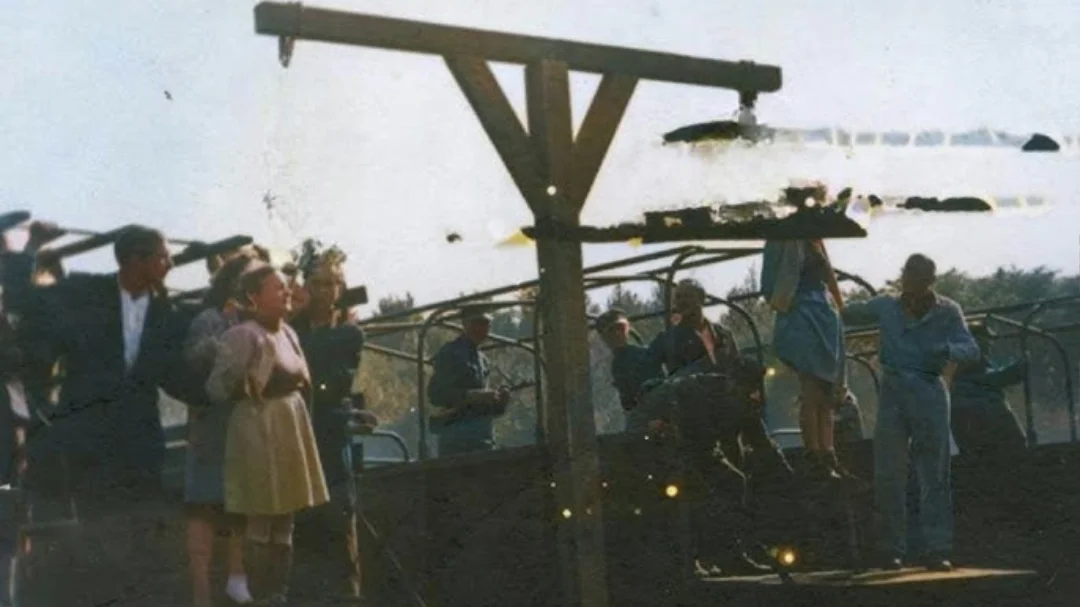
In 1942 Stutthof officially became a concentration camp under direct SS control. Female guards (Aufseherinnen) arrived the same year; by war’s end nearly 300 women had served there. A small gas chamber was added in 1943, initially for “euthanasia” killings, later used for Jewish women and children.
On 25 January 1945 the SS began evacuating the camp. Tens of thousands were forced on death marches in freezing conditions; thousands were shot or died of exhaustion. The Red Army liberated the remaining prisoners on 9 May 1945.
Justice after Liberation
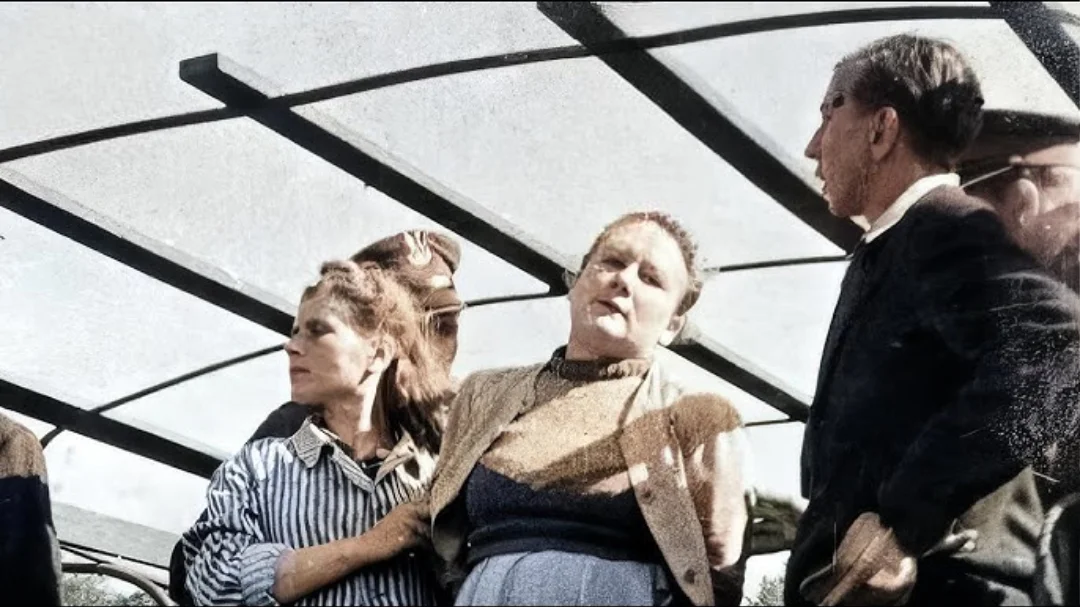
The Stutthof Trials (1946–1947) in Gdańsk were among the first war-crimes trials in Poland.
13 defendants (including commandant Johann Pauls and several female guards) were tried in the main trial (April–May 1946).
11 received death sentences; all were publicly hanged on 4 July 1946 at Biskupia Górka in Gdańsk.
Further trials between 1946 and 1953 convicted dozens more staff, including notorious guards Jenny-Wanda Barkmann, Elisabeth Becker, and Wanda Klaff — all executed.
Today the Stutthof Museum preserves the original barracks, gas chamber, crematorium, and thousands of personal belongings of the victims. It stands as a place of remembrance and education, reminding us how quickly a “labor camp” became a site of industrial-scale murder.
We remember the 85,000 who perished so that their stories strengthen our commitment to “Never Again.”
Official sources & further reading