

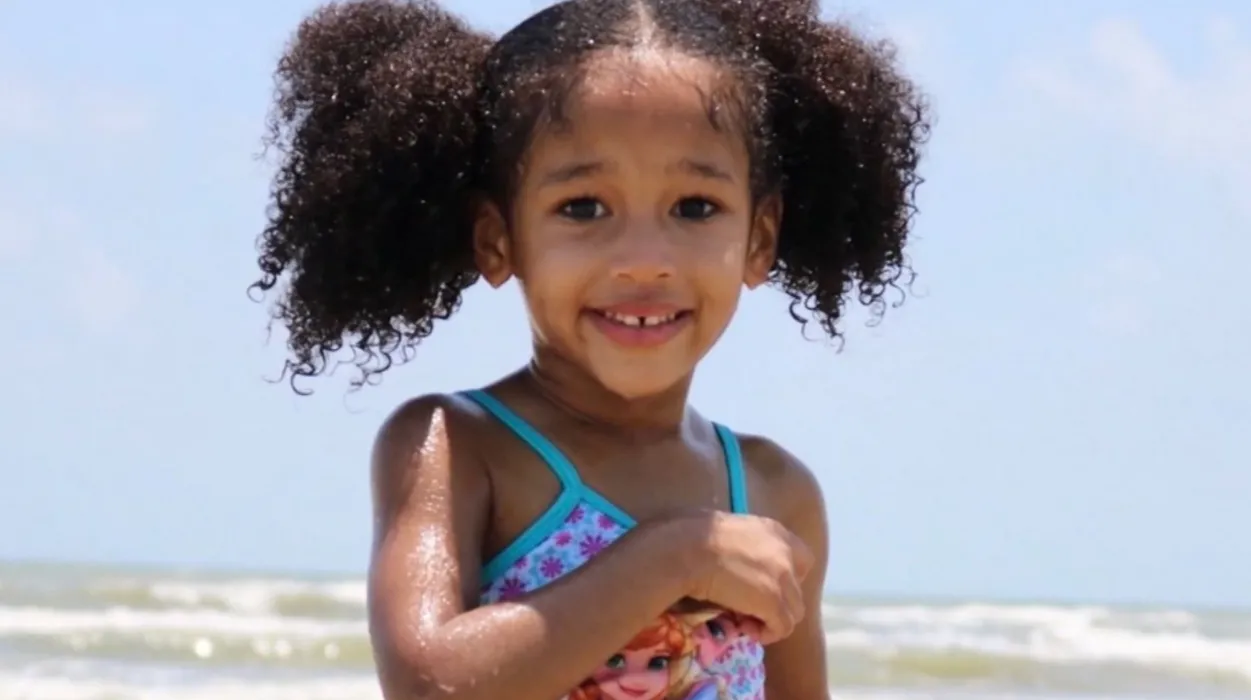
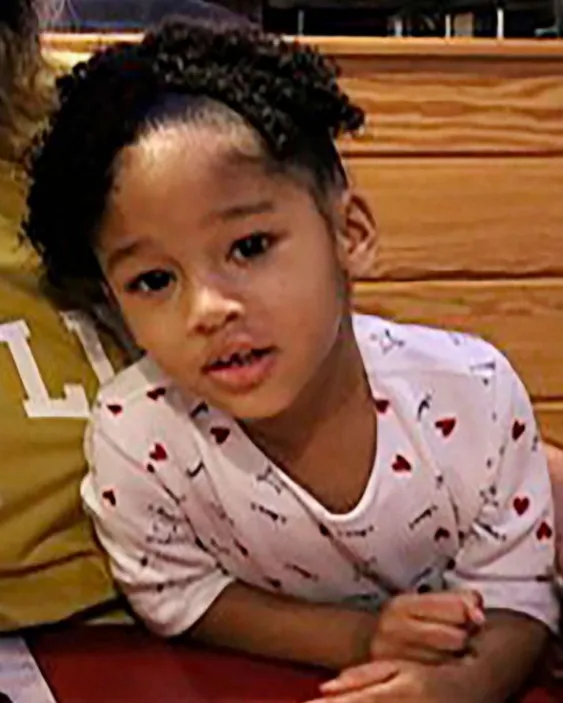
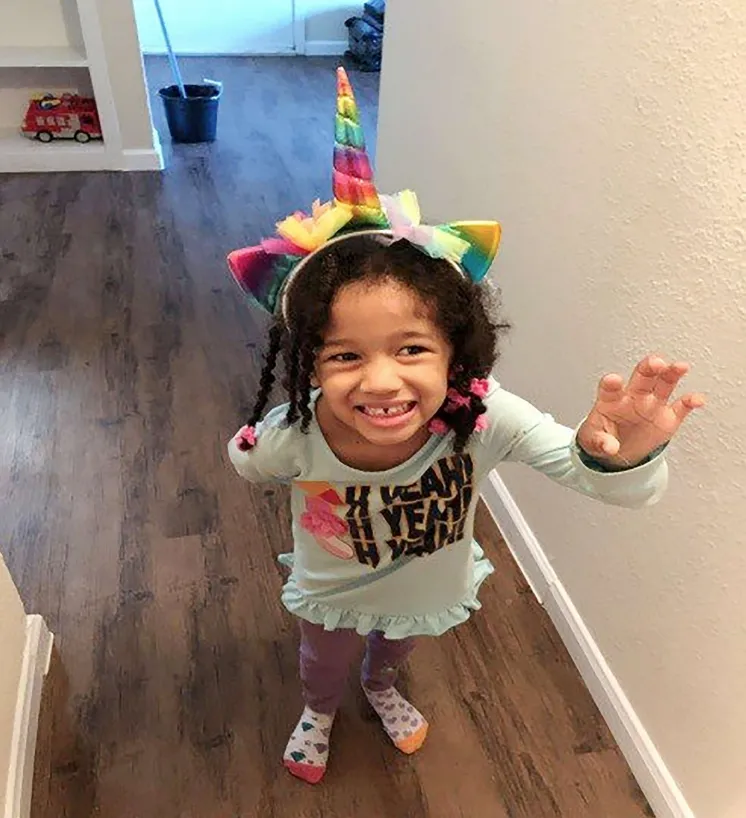
In May 2019, the disappearance of four-year-old Maleah Davis shook Houston in a way that few could have imagined. The city, bustling with life and ordinary routines, was suddenly forced to confront a darkness that lurks behind closed doors, a shadow that too often hides the suffering of children. Maleah was small—fragile even—with bright, curious eyes and a soft, shy smile that could melt hearts. Her voice, gentle and timid, carried a sweetness that drew people in, inspiring an instinctive desire to protect her. Yet, beneath that innocence, a hidden world of pain existed, one that she could not escape.
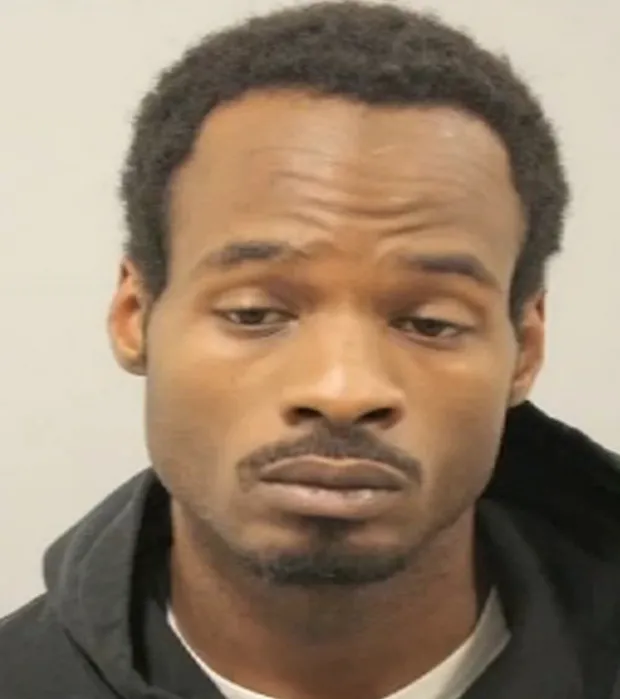
On the morning of May 3, Maleah was seen entering her family’s apartment with her stepfather, Derion Vence. Surveillance footage captured her small frame walking alongside him, her expression calm, even faintly cheerful. It would be the last time anyone would see her alive. For Maleah, that day was ordinary, marked by the mundane rhythms of life—play, laughter, perhaps even a fleeting hug from her mother. Yet for the world outside, it would become the day that shattered hope, trust, and the illusion of safety that families often cling to.
The first report of Maleah’s disappearance came from Vence himself. He claimed that three masked men had attacked him, knocking him unconscious and abducting the little girl. The story was chilling, almost cinematic, and for a moment, it offered the faintest glimmer of hope that Maleah might still be alive, somewhere in hiding, awaiting rescue. But that hope would not endure.
Investigators were immediately skeptical. The details of Vence’s story did not align with reality, and the narrative he spun began to unravel under the weight of evidence. Police began scrutinizing the apartment and its surroundings. Surveillance cameras told a haunting story: Maleah entered the home, but she was never recorded leaving. Her small footsteps, once full of life, were gone, replaced by silence and questions that would soon yield horrifying answers.
Inside the apartment, forensic teams uncovered traces of blood. Laboratory analysis confirmed what investigators feared most: it belonged to Maleah. The house that should have been a sanctuary had become a scene of unimaginable violence. Trained dogs, following the faint scent of death, traced evidence into Vence’s car, detecting the unmistakable markers of human decomposition. A careful facade of lies and innocence began to crumble.
As pressure mounted, Vence struggled to maintain his fabricated narrative. He had relied on shock and deception, hoping that a tale of masked attackers and sudden abductions would obscure the truth. But in the face of mounting evidence and relentless police work, the cracks in his story widened. Witnesses, timelines, and forensic findings converged, making it impossible to maintain the fiction.
Days after his arrest, the weight of guilt—and the impossibility of sustaining a lie—brought Vence to a breaking point. His confession was agonizing, a slow, painful revelation that confirmed every nightmare a parent could imagine. There had been no abduction, no masked men. Maleah had never left the apartment alive. Vence admitted that he had disposed of her body in Arkansas, a horrifying admission that left the nation reeling.
Authorities later discovered the remains along a desolate roadside, wrapped in a black trash bag. The decomposition was severe, erasing many of the physical clues that might have revealed the precise manner of her death. Yet the truth remained unambiguous: Maleah had been murdered. A child who deserved love, safety, and the care every four-year-old should be afforded had been treated with a cruelty that defies comprehension. Her life, brief and bright, had been extinguished by an adult who should have been her protector.
The investigation also exposed a darker narrative of neglect and abuse that had persisted behind closed doors. Maleah’s life, while outwardly ordinary, was marked by moments of suffering and vulnerability that few outsiders could perceive. Her stepfather, the man charged with ensuring her safety, had instead become the instrument of her destruction. For investigators and the public alike, the realization was devastating: evil can exist in familiar places, in those entrusted with care, often hidden from view until tragedy strikes.
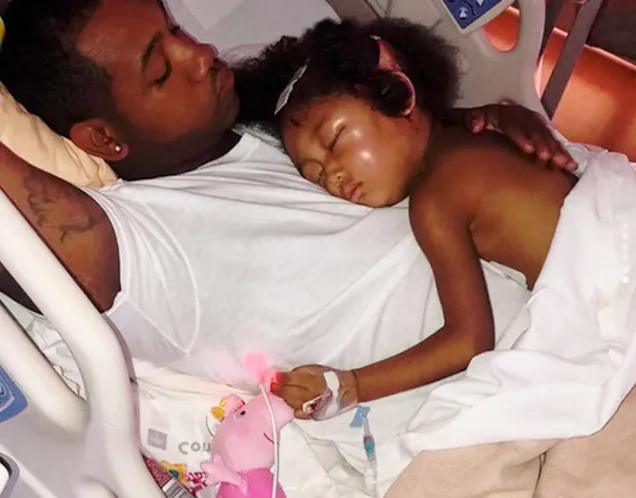
As the nation grappled with the facts, attention turned to the family, the community, and the wider implications of such crimes. Maleah’s mother, who had relied on Vence’s presence and influence in her household, faced a dual grief—mourning her daughter while reconciling with the betrayal of someone she had trusted. Friends, neighbors, and even strangers mourned as well, offering condolences, creating vigils, and lighting candles to honor the life that had been so cruelly cut short.
Child advocates and experts weighed in, emphasizing the tragic but preventable nature of such losses. They highlighted patterns often seen in homes with domestic violence, substance abuse, or unstable adult figures: children in these environments face heightened vulnerability, with the adults around them sometimes failing to provide basic safety. Maleah’s story became a cautionary tale, a stark reminder that the welfare of children requires constant vigilance and the collective responsibility of families, communities, and authorities.
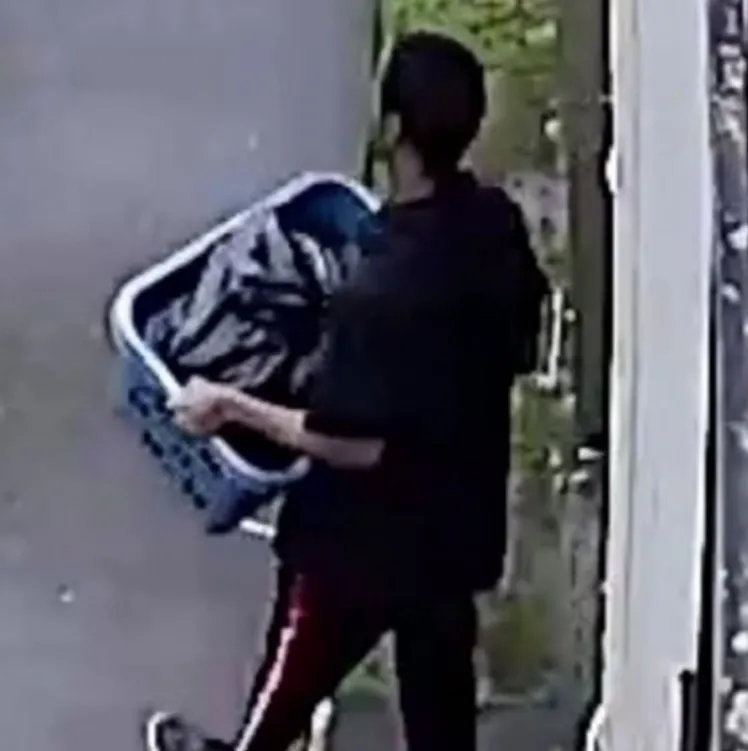
The confession and subsequent evidence also prompted broader discussions about systemic failures, mental health, and the societal structures meant to protect children. How could such a young life be endangered by someone meant to provide guidance and care? What warning signs were missed? Maleah’s death ignited public debate about child protection laws, the responsibility of caretakers, and the urgent need to educate communities about the subtle indicators of abuse and neglect.
Forensic psychologists analyzing the case observed that Vence’s pattern of deception and manipulation was emblematic of deeper issues often present in perpetrators of familial homicide. He had crafted a narrative designed to mislead, to delay discovery, and to deflect responsibility. Yet even the most meticulous lies cannot withstand the accumulation of evidence. The truth, relentless and unwavering, eventually surfaced in a way that confirmed every worst fear.
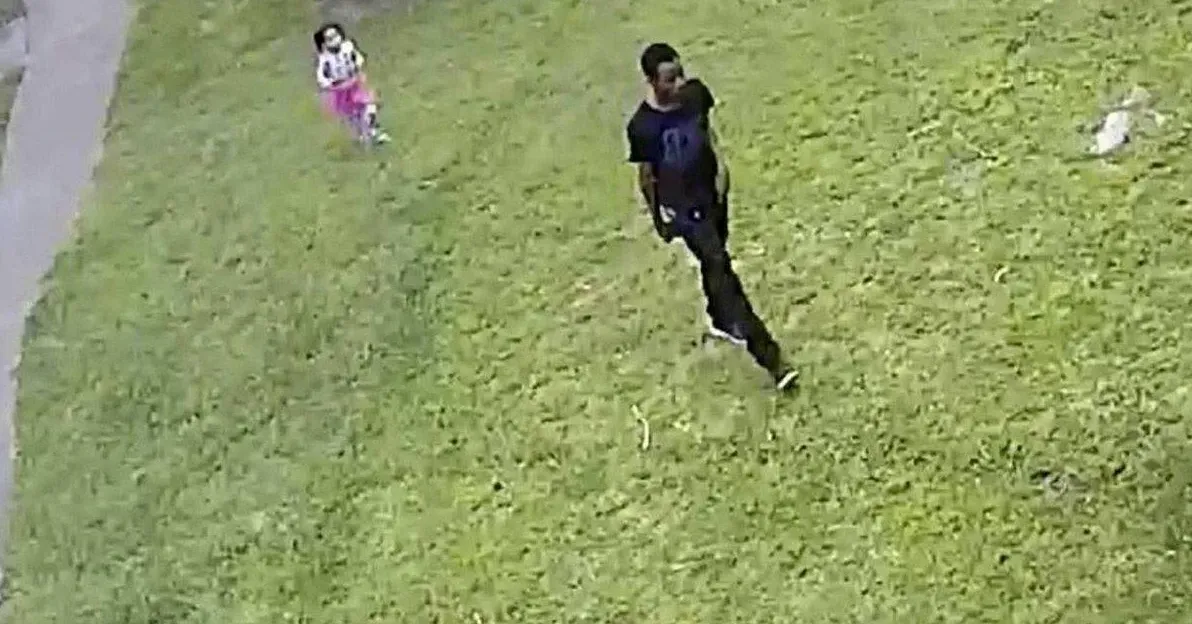
The human cost of Maleah’s murder extends far beyond her immediate family. Friends and relatives who had held hopes of rescue, who had imagined reunion and relief, were instead confronted with grief, anger, and disbelief. Public response ranged from mourning to outrage, as communities struggled to process the enormity of the crime. Social media feeds became digital memorials, where citizens shared memories of childhood, pleas for justice, and reflections on the fragility of life.
Maleah’s story also prompted action within the criminal justice system. Authorities increased awareness campaigns, encouraging neighbors and friends to report suspicious behavior and emphasizing the importance of monitoring the welfare of children within domestic settings. The tragedy became a catalyst for community education, an effort to prevent future incidents that mirrored the horror of her death.
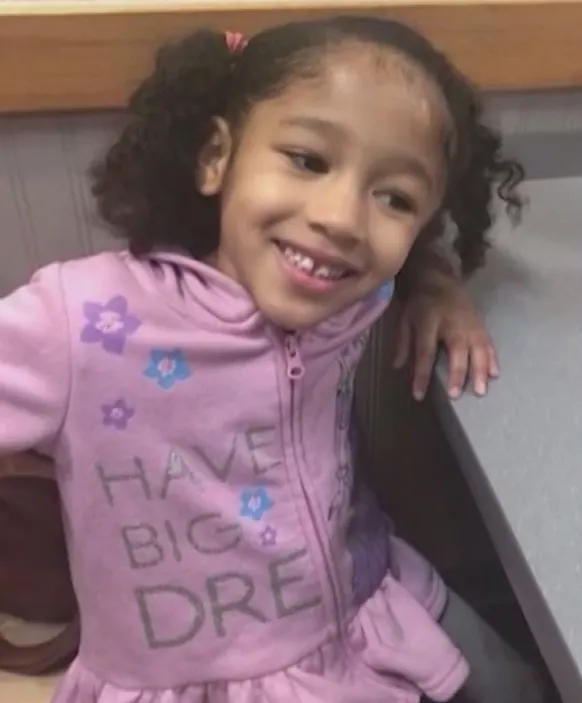
In the court proceedings that followed, the details of Vence’s actions were recounted with precision, painting a grim picture of manipulation, betrayal, and cruelty. Witnesses testified, evidence was presented, and the full weight of the law bore down on the man who had destroyed a family from within. Yet even the harshest sentence could never restore the life that had been taken, nor heal the wounds left in its wake.
For Maleah’s mother, family, and community, the process of mourning became intertwined with the pursuit of justice. The grief was palpable, a persistent ache that refused to fade. They confronted the harsh reality that a young girl with so much promise, so much potential, had been denied every chance at life. Yet in their sorrow, they also sought to preserve her memory, to honor her brief time on earth by advocating for awareness and protection for other children.
Maleah’s death was a grim reminder that the horrors of domestic violence, abuse, and betrayal are not confined to headlines—they touch real families, leave lasting scars, and demand vigilance. Her story, while devastating, has been used to educate parents, caregivers, and the public about the signs of danger and the imperative of safeguarding vulnerable children.
Ultimately, the tragedy of Maleah Davis is a story that combines sorrow, outrage, and reflection. It is a story of innocence stolen, trust betrayed, and life extinguished too soon. It forces us to confront uncomfortable truths about the vulnerability of children and the responsibilities of adults. It underscores the need for compassion, awareness, and action to ensure that no other child suffers a similar fate.
The memory of Maleah Davis, though marked by tragedy, lives on through those who remember her brightness, her laughter, and the potential that was never fully realized. Her story resonates as a call to protect, to care, and to never look away. It is a reminder that vigilance and compassion are the tools we have to shield the most vulnerable among us, and that the consequences of neglect and cruelty are far-reaching, leaving scars that span generations.
In remembering Maleah, we are reminded that life is fragile, love is vital, and the duty to protect children is a moral imperative shared by families, communities, and society at large. Though her life was tragically brief, her legacy can become a catalyst for awareness, vigilance, and the protection of others.
Maleah Davis, a bright little girl with a shy smile and a gentle voice, will never be forgotten. The world mourns what was lost, but through reflection, education, and vigilance, her story has the power to prevent similar tragedies in the future. In honoring her memory, we are called to act—to watch, to listen, and to protect the lives of children who, like Maleah, deserve every ounce of love and care this world can offer.