
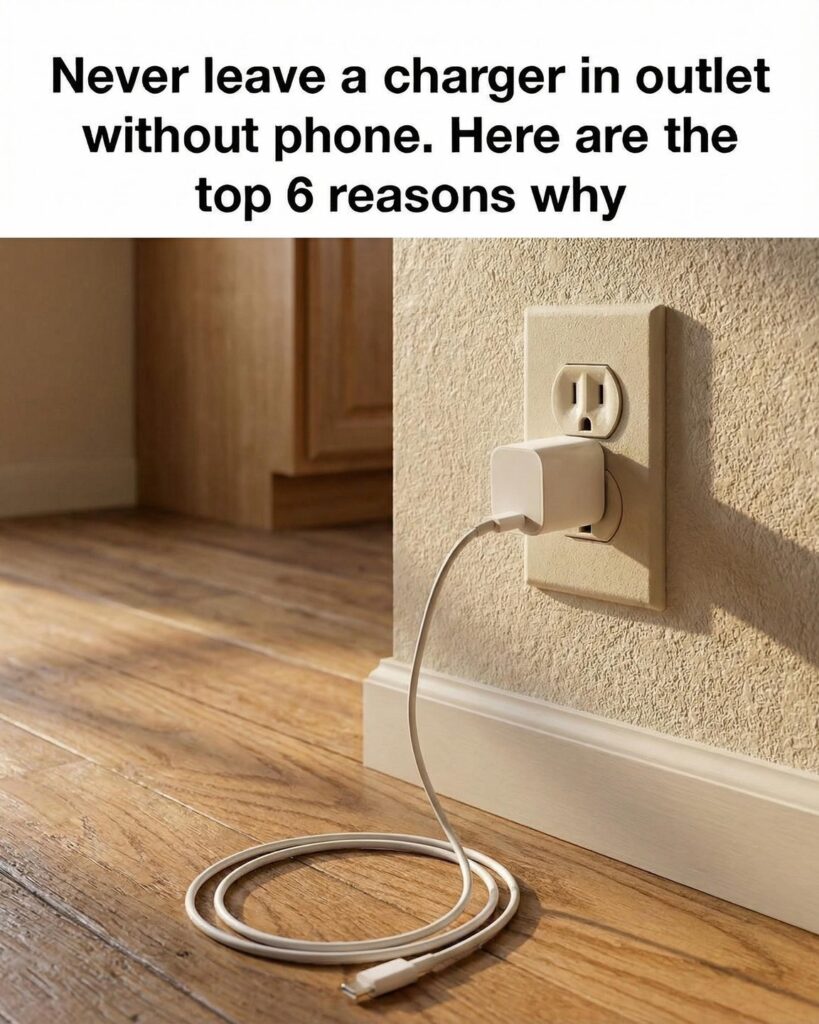
In today’s connected world, chargers are as common in our homes as light switches. We rely on them daily to keep our smartphones, tablets, laptops, and other devices running smoothly. Because they are used so frequently, many people leave chargers plugged into wall outlets even when no device is attached. While this habit may seem harmless or convenient, it can lead to several avoidable issues related to energy use, safety, and efficiency. Being aware of how chargers behave when left unattended helps promote smarter habits that benefit both households and workplaces.
One of the most overlooked concerns is unnecessary energy consumption. Chargers that remain plugged in continue to draw small amounts of electricity even when they are not actively charging a device. This is often referred to as standby power usage. Although the amount of energy consumed by a single charger is minimal, the combined effect of multiple chargers left plugged in throughout a home or office can add up over time. This extra energy use can slightly increase electricity bills and contribute to higher overall energy demand, especially during peak usage hours. Unplugging chargers when they are not needed is a simple step toward improving energy efficiency.
Safety is another important factor to consider. Chargers are electrical devices, and like all electronics, they can wear down over time. When left plugged in continuously—particularly low-quality or damaged chargers—there is a greater chance of overheating. While modern chargers are designed with safety features, reducing unnecessary exposure to electrical current lowers potential risks and supports a safer living environment. Additionally, unplugging chargers helps protect them from power surges that may occur during electrical fluctuations or storms, which can damage both the charger and nearby devices.
Finally, unplugging chargers when not in use supports sustainability and long-term savings. Reducing wasted energy helps lower a household’s carbon footprint and supports environmental conservation efforts. On a practical level, unplugging chargers can also extend their lifespan by reducing wear on internal components, meaning fewer replacements are needed over time. This small habit can lead to cost savings and reduced electronic waste. By adopting mindful charging practices—such as unplugging chargers, using certified accessories, and storing them properly—we can create safer, more efficient spaces while making a positive impact on the environment.