
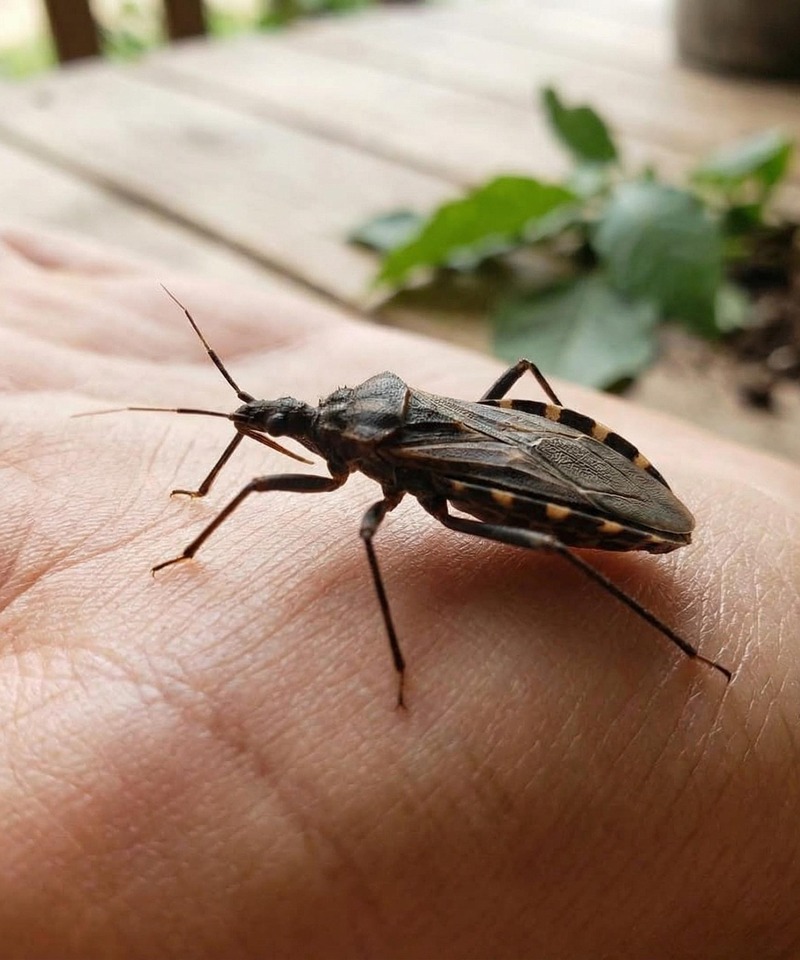
The kissing bug, sometimes called the triatomine bug, is an insect that may not immediately seem concerning. However, it has gained attention because it can carry a parasite associated with Chagas disease, a condition that may affect the body gradually over time. One of the main challenges with this type of insect exposure is that many people do not realize it has happened. The bug is active mostly at night and tends to bite while people are asleep, which means the event often goes unnoticed. Understanding how these insects behave and recognizing possible early signs can play an important role in protecting long-term well-being.
Kissing bug bites are usually painless because the insect releases a numbing substance when it feeds. As a result, there may be no immediate discomfort to draw attention to the bite. In some cases, people may notice mild skin reactions such as redness, itching, or slight swelling at the bite area, similar to other common insect bites. These reactions often fade quickly and are easy to dismiss. Occasionally, swelling may appear near the eye if contact occurs close to the face, which can be an early indicator that should not be ignored. While not everyone experiences noticeable symptoms, paying attention to unusual or unexplained changes after insect exposure is important.
In the weeks following exposure, some individuals may develop general symptoms that resemble a mild viral illness. These can include fatigue, low-grade fever, headaches, muscle aches, or a general feeling of discomfort. Because these symptoms are common and usually temporary, they are often mistaken for everyday illnesses. Some people may also notice swollen lymph nodes near the neck, underarms, or groin as the immune system responds. Digestive discomfort, such as nausea or stomach upset, may occur in a smaller number of cases. Although these signs are usually not severe, their subtle nature is what makes early awareness so important.
Seeking medical advice is recommended if symptoms persist, worsen, or occur after possible exposure in regions where kissing bugs are known to live. Early evaluation allows healthcare professionals to determine whether testing or monitoring is needed and helps reduce the risk of long-term complications. While many early symptoms may resolve on their own, ignoring them completely can delay proper care. Staying informed, maintaining awareness of your surroundings, and consulting a medical professional when something feels unusual are practical steps toward maintaining overall health. Education and early attention remain key tools in managing risks associated with insect exposure.