
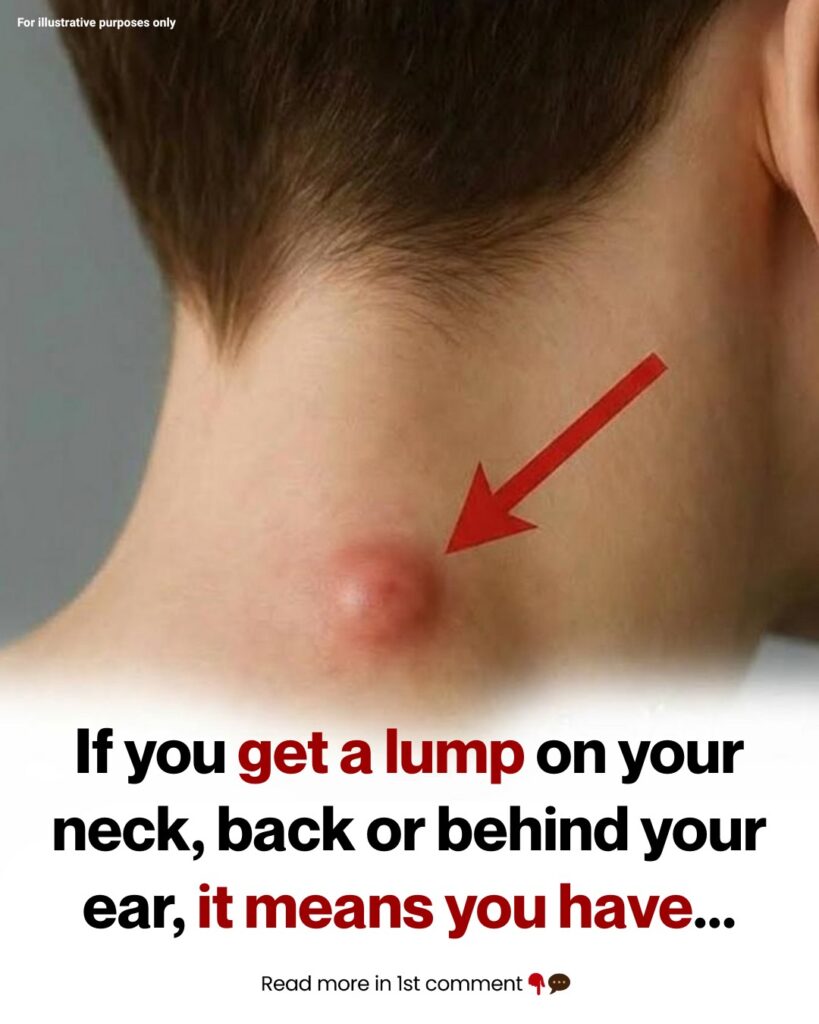
Finding a lump on your neck, back, or behind your ear can be alarming—especially if it appears suddenly or feels unfamiliar. While many lumps are harmless, others may signal an underlying medical condition that needs attention.
These lumps can vary widely in size, texture, and cause. Some disappear on their own, while others persist or grow over time. Understanding what may be behind a lump is key to knowing how to care for it and when to seek medical advice.

This article explains the most common causes of lumps—especially epidermoid cysts—along with symptoms, home care options, potential risks, and medical treatments.
What Is an Epidermoid Cyst?
An epidermoid cyst is a common, benign (non-cancerous) growth that forms just beneath the skin. These cysts are usually slow-growing and can appear almost anywhere on the body, though they are most often found on the neck, back, face, or behind the ears.
They develop when skin cells that normally shed become trapped beneath the skin’s surface. These cells continue to multiply and form a sac filled with keratin, a thick protein also found in hair and nails.
Most epidermoid cysts are painless and harmless. However, they can become inflamed or infected, leading to redness, swelling, and discomfort.
Causes and Risk Factors
Epidermoid cysts may develop due to:
- Blocked hair follicles or pores
- Minor skin injuries or trauma
- Chronic skin conditions such as acne
- Certain genetic conditions, including Gardner syndrome
Although anyone can develop an epidermoid cyst, they are more common in adults, particularly men, than in children.

Symptoms and How Lumps Are Diagnosed
The most common symptom is a small, round lump beneath the skin. Typical features include:
- Smooth or slightly firm texture
- Skin-colored or pale appearance
- Painless unless infected
If a cyst becomes infected, symptoms may include:
- Redness and warmth
- Swelling or tenderness
- Thick, unpleasant-smelling discharge
Doctors usually diagnose epidermoid cysts through a physical examination. If the diagnosis is unclear or the lump has unusual features, additional tests may be recommended, such as:
- Ultrasound or MRI to assess size and depth
- Biopsy to rule out other conditions

Common Home Remedies People Try
Some people use home remedies to manage lumps or cysts. While these methods are not proven to remove cysts, they may help reduce mild inflammation or discomfort.
Warm Compress
How to use: Apply a warm (not hot), damp cloth to the area for 10–15 minutes, 3–4 times a day.
Purpose: May improve circulation, ease swelling, and encourage drainage if the lump is related to a blocked gland.
Apple Cider Vinegar
How to use: Dilute with equal parts water, apply briefly with a cotton ball, then rinse.
Purpose: Believed to have antibacterial properties, though it may irritate sensitive skin.
Tea Tree Oil
How to use: Dilute a few drops with a carrier oil before applying gently once or twice daily.
Purpose: Known for antiseptic and anti-inflammatory effects.
Turmeric Paste
How to use: Mix turmeric powder with water or coconut oil, apply for 30–60 minutes daily, then rinse.
Purpose: Contains curcumin, which may help calm inflammation.
Aloe Vera Gel
How to use: Apply fresh or pure aloe vera gel directly to the lump twice a day.
Purpose: Soothes irritation and supports skin healing.
Castor Oil
How to use: Apply castor oil with a clean cloth, cover with a warm compress, and leave on for 15–30 minutes daily.
Purpose: May help reduce inflammation and soften tissue.
Important: Home remedies should not replace medical evaluation, especially if the lump is growing, painful, or persistent.

Caring for a Lump at Home
If a healthcare provider confirms that a lump is harmless, supportive care may include:
- Keeping the area clean and dry
- Avoiding squeezing, scratching, or picking
- Using warm compresses to relieve discomfort
- Taking over-the-counter pain relievers if needed
Seek medical care if signs of infection develop, such as increasing redness, warmth, swelling, or discharge.
Risks and Limitations of Home Treatments
Attempting to pop or drain a cyst at home can lead to:
- Infection
- Scarring
- Increased inflammation
Some natural remedies may also cause skin irritation or allergic reactions. Always stop use if burning, redness, or itching occurs.
When Should You See a Doctor?
You should seek medical advice if a lump:
- Grows quickly or changes shape or color
- Becomes painful, hard, or fixed in place
- Shows signs of infection
- Is accompanied by fever, fatigue, or unexplained weight loss
Early evaluation helps ensure proper treatment and reduces the risk of complications.

Medical Treatment Options for Epidermoid Cysts
Professional treatment may include:
- Incision and drainage for inflamed cysts
- Complete surgical removal, which lowers the chance of recurrence
- Antibiotics if infection is present
These procedures are usually minor and performed under local anesthesia.
How to Reduce the Risk of Future Cysts
While not all cysts can be prevented, good skin care may help reduce risk:
- Clean skin regularly and gently
- Use non-comedogenic skincare products
- Avoid unnecessary skin trauma
- Resist picking or squeezing blemishes
- See a dermatologist if cysts recur frequently
Final Thoughts
Most lumps under the skin—especially epidermoid cysts—are harmless. However, changes in size, pain, or appearance should never be ignored. When in doubt, a medical evaluation is the safest way to protect your health and gain peace of mind.
Disclaimer: Content is provided for informational purposes only and is not intended as a substitute of medical advice. Seek guidance of your doctor regarding your health and medical conditions.