
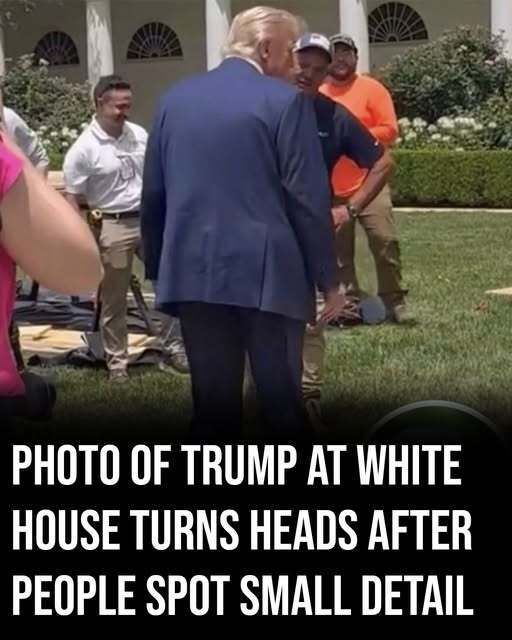
Public interest in the health of national leaders is nothing new, especially when the person in question is a former and current president. In recent weeks, a single photograph of Donald Trump attending a high-profile sporting event stirred a fresh wave of online discussion, speculation, and concern. For many older Americans who remember decades of presidents facing intense scrutiny, the moment felt familiar, yet also emblematic of today’s social media culture.
Health questions have followed Trump since his first term in the White House, often fueled by political rivalry and public appearances captured from every possible angle. During past campaigns, Trump frequently raised concerns about the well-being of his opponents, including Joe Biden, arguing that stamina and clarity matter deeply in public service. Now, with Trump once again occupying the Oval Office, attention has shifted back toward him.
A Presidency Under a Microscope
Trump returned to office amid a fast-moving political landscape. International trade disputes, tense diplomatic conversations, and domestic debates have dominated headlines. Alongside these policy stories, personal topics, including age and health, have resurfaced as talking points across television panels and social platforms.
During the most recent presidential campaign, his opponent, Kamala Harris, chose to release detailed medical information to the public. Trump declined to share similar records at that time, instead repeatedly stating that he felt strong, energetic, and fully capable of handling the demands of the presidency.
It is worth noting that Trump made history by becoming the oldest individual to begin a second term as president of the United States. For many Americans in their 60s and beyond, this milestone resonated personally. It raised understandable questions about how age intersects with leadership, experience, and endurance.
What the Official Medical Report Says
In April, the White House physician released a formal health summary following Trump’s annual medical evaluation. According to that report, the president’s height and weight were recorded at 75 inches and 224 pounds. Routine examinations of his heart, lungs, vision, hearing, and neurological function were described as normal for his age.
The physician also noted that Trump had undergone a standard preventive procedure the previous year, during which a noncancerous issue was identified and addressed. Follow-up care was scheduled as part of ordinary medical monitoring. Several commonly prescribed medications were listed, including treatments related to cholesterol management and general preventive care.
The report emphasized that Trump had previously undergone eye surgery with successful results and described his overall physical and cognitive condition as strong. The physician concluded that the president’s active schedule and frequent movement were contributing positively to his well-being.
Following the exam, Trump told reporters that he had completed multiple assessments, including cognitive evaluations, and expressed confidence in the results. Supporters viewed the report as reassuring, while critics questioned whether it provided enough detail.
A Viral Photo and Online Reactions
The renewed discussion began after Trump appeared at a Ultimate Fighting Championship event in June. A widely shared photograph showed him standing ringside as a championship belt was briefly placed around his waist in celebration.
Almost immediately, social media users began analyzing the image. Some claimed to notice unusual lines or shapes beneath his clothing and offered their own interpretations. Posts spread quickly, with theories ranging from innocent wardrobe explanations to more serious health-related guesses.
Within hours, the photo had been shared thousands of times across platforms, accompanied by confident statements from users who insisted they had uncovered hidden truths. Others pushed back just as firmly, arguing that the image showed nothing more than fabric creases or the natural fit of tailored pants.
Understanding Medical Devices Without Jumping to Conclusions
As the conversation unfolded, some users referenced medical equipment and offered definitions sourced from reputable institutions like the Cleveland Clinic. While educational information can be helpful, many healthcare professionals caution against diagnosing anyone based on a single photograph.
Clothing, lighting, camera angles, and posture can all dramatically affect how an image appears. Even experienced clinicians rely on direct examinations and detailed histories, not snapshots circulating online. For older readers who grew up trusting doctors’ offices over comment sections, this distinction is especially important.
Official Response and Fact-Checking
To address the claims, the fact-checking organization Snopes reviewed the viral posts and sought clarification from the White House. A spokesperson responded by dismissing the online theories and pointing back to the recently released medical evaluation.
According to the statement, the administration described the claims as unfounded and emphasized that the president’s health had been thoroughly assessed by medical professionals. The spokesperson criticized the role of social media in amplifying speculation and urged the public to rely on verified information rather than viral commentary.
Why These Stories Spread So Quickly
For many Americans, particularly those who remember earlier eras of journalism, the speed and intensity of modern speculation can feel overwhelming. A single image can spark days of debate, often disconnected from context or confirmation. Health, being deeply personal and universally relatable, becomes an easy focal point.
Older readers may recognize a familiar pattern. Questions about President Franklin Roosevelt’s mobility, John F. Kennedy’s chronic pain, and Ronald Reagan’s later years all circulated long before the age of smartphones. What has changed is the volume and velocity of opinions, not the curiosity itself.
Looking Beyond the Noise
At the heart of the matter is a simple truth. Presidents are human beings, subject to the same aging process as everyone else. Transparency matters, but so does restraint. Official medical reports, while not perfect, remain the most reliable source of information available to the public.
As conversations continue online, many Americans are choosing to focus less on speculation and more on leadership decisions, policy outcomes, and national direction. For readers in their 60s and beyond, perspective often comes with time. Experience teaches that photographs rarely tell the whole story, and rumors rarely age well.
In a media environment crowded with opinions, calm reflection remains a valuable skill. Whether one supports or opposes the president, relying on confirmed facts helps keep public discourse grounded and respectful.