
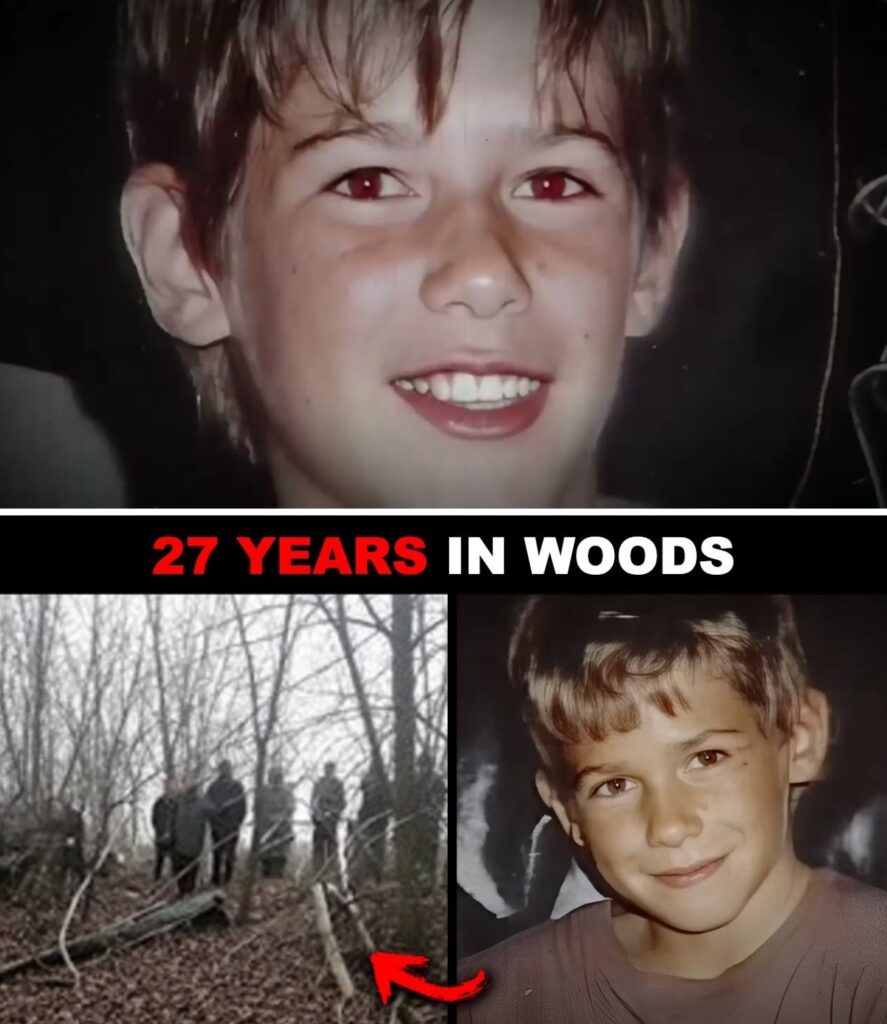
FOUND AFTER 27 YEARS: The Nightmare Ends, But The Truth Is Even Worse Than We Feared
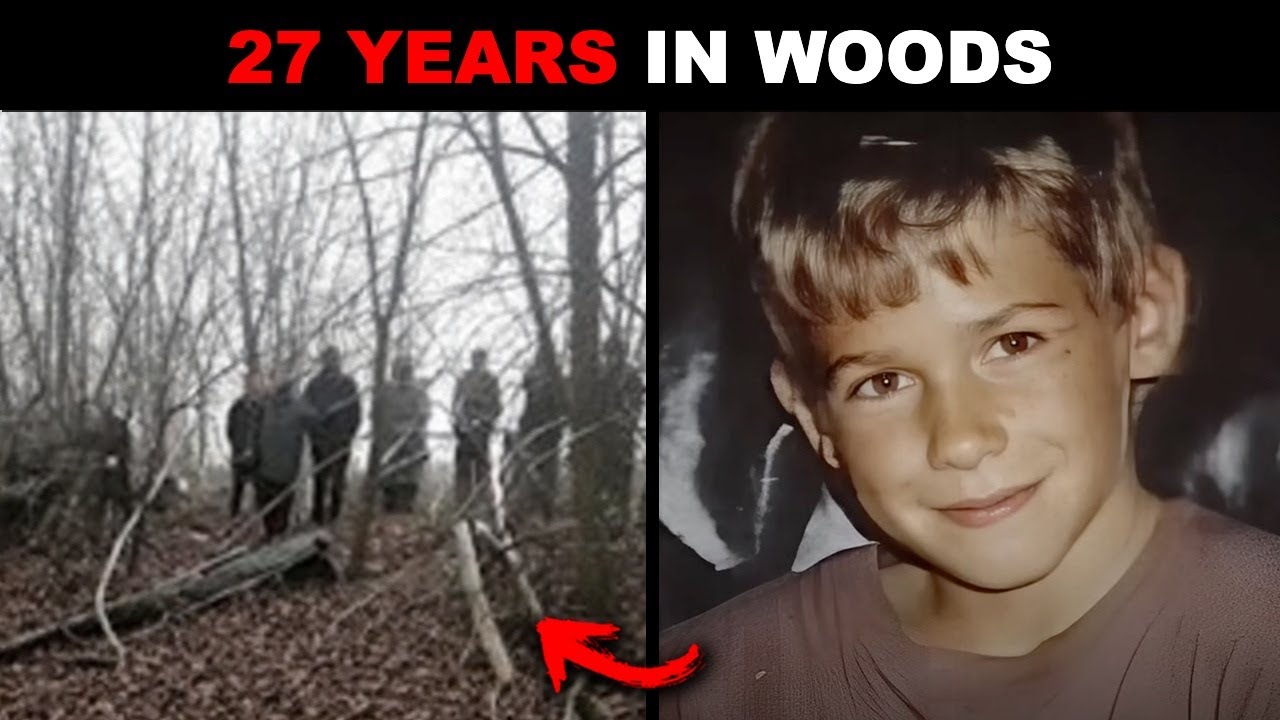
It was a chilly autumn evening in October 1989, the kind that hints at the brutal Minnesota winter waiting just around the corner. In the small, idyllic town of St. Joseph, life moved at a gentle pace. Neighbors knew neighbors, doors were left unlocked, and children rode their bicycles freely under the canopy of rustling leaves. But on this particular Sunday night, that innocence was shattered forever. A darkness emerged from the shadows of a driveway—a darkness that would swallow an eleven-year-old boy whole and leave a community frozen in time for twenty-seven agonizing years.
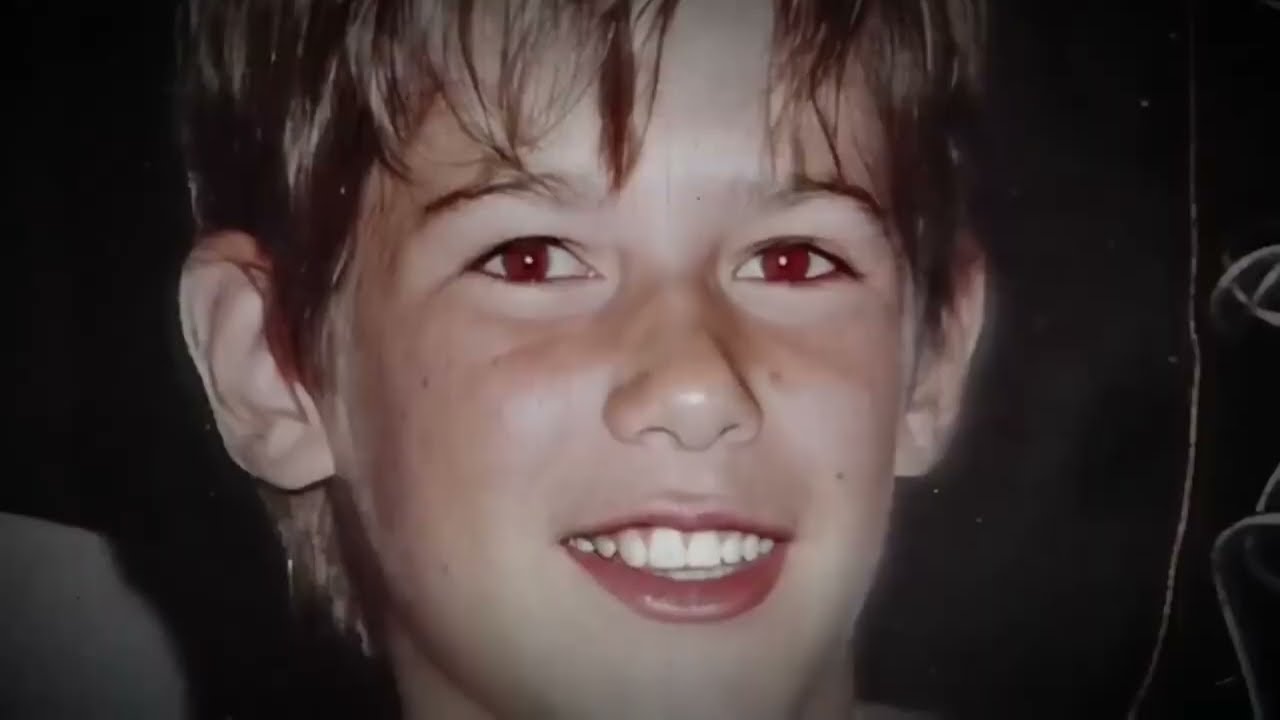
Jacob Wetterling was everything you’d expect a happy kid to be. He was a bright-eyed boy who loved the stars, played goalie for his soccer team, and had a smile that could light up a room. That night, he wasn’t doing anything wrong. He wasn’t in a bad part of town. He was just being a kid, riding his bike home from the video store with his brother and a best friend, clutching a rented movie and a bag of candy. They were mere minutes from the safety of their driveway. They were doing exactly what their parents had said was okay.
But they weren’t alone. As they pedaled down the darkened road, their flashlight beams cutting through the gloom, a masked figure stepped out to block their path. He held a gun. His voice was low, commanding, and terrifying. He ordered the boys into the ditch. He asked their ages. And then, in a calculated move that chills the blood to this day, he told the others to run and not look back. When they finally turned around, breathless and crying for help, the road was empty. Jacob—and the monster who took him—had vanished into the night.
For nearly three decades, that empty road haunted the American conscience. “Jacob’s Hope” became a mantra, a white ribbon pinned to millions of lapels, a light left on the porch of every parent who feared the worst. His face, frozen in 1989 with that mischievous grin, stared back from milk cartons and flyers across the nation. We watched his parents, Patty and Jerry, age before our eyes on television, their hope battered but never broken. We prayed for a miracle. We prayed he was out there, living a secret life, maybe with amnesia, maybe scared but alive.
But in 2016, the answer finally came, and it wasn’t the miracle we prayed for. It was a horror story so bleak, so senseless, that it broke the nation’s heart all over again. The boy who loved astronomy wasn’t looking up at the stars from a distant city. He had been buried in a shallow grave just miles from his home, wearing the same red hockey jacket he was taken in. The man who put him there had been hiding in plain sight, living a mundane life while an entire country searched for a ghost.
The details of that night, revealed only after a deal with the devil was struck, painted a picture of terror that no child should ever endure. The masked man, Danny Heinrich, wasn’t a drifter or a criminal mastermind. He was a local. A sad, pathetic man who had been interviewed by police early on and let go. He had watched the search parties. He had seen the ribbons. And for twenty-seven years, he kept his secret, letting a family wither in the purgatory of the unknown.
When the news broke that Jacob had been found, the internet didn’t just react; it convulsed. It was a mixture of profound relief—that the Wetterlings finally had an answer—and white-hot rage. How could this happen? How could the police miss him? And most importantly, how could justice look like a plea deal that gave a child killer a chance at freedom? The story of Jacob Wetterling isn’t just a true-crime tale; it’s a tragedy of errors, a testament to a mother’s resilience, and a stark reminder that sometimes, the monsters are real, and they live next door.
The Night Everything Changed
To understand the gravity of this case, you have to go back to the beginning. St. Joseph, Minnesota, in 1989 was the definition of “safe.” It was a place where parents didn’t hover. Jacob, his younger brother Trevor, and their friend Aaron Larson were celebrating a simple Sunday freedom. They had begged to ride to the Tom Thumb convenience store to rent a movie—The Naked Gun, a comedy. After some hesitation, Jacob’s dad, Jerry, said yes. They had reflective vests. They had flashlights. They were together.
The ride to the store was uneventful. They picked their movie, bought some treats, and hopped back on their bikes for the short mile-long trip home. It was pitch black by then, the moon obscured, the air crisp. You can imagine the chatter of boys that age—jokes about the movie, plans for school the next day, the whir of bicycle tires on pavement. They were just ten minutes from home. Ten minutes from safety.
Then, the man appeared. He came from a driveway, dressed in dark clothing, a stocking mask distorting his features. He didn’t just jump out; he waited. He had been hunting. He ordered them to throw their bikes in the ditch and lie face down. The terror in that moment is unimaginable. These weren’t street-hardened kids; they were suburban boys facing a gun. The gunman moved with a terrifying calm, asking each boy his age. Trevor was 10. Aaron was 11. Jacob was 11.
He chose Jacob. Maybe it was random, or maybe he had been watching them longer than they knew. He told Trevor and Aaron to run into the woods and not look back or he’d shoot. The boys, terrified and sobbing, obeyed. They ran for their lives, their small legs pumping through the underbrush, believing their brother and friend was right behind them. But when they reached a neighbor’s house and raised the alarm, the silence from the road was deafening.
The police arrived quickly, but mistakes were made instantly. In 1989, the protocol for missing children wasn’t what it is today—thanks, ironically, to this very case. The crime scene wasn’t locked down immediately. Tire tracks were trampled. The search radius was too broad too fast. They looked for a boy who had run away or been taken far away, not realizing the perpetrator might be watching from the shadows just down the road.
The initial investigation focused on the usual suspects. Drifters. Sex offenders. But the leads were chaotic. Thousands of tips poured in. “I saw a blue car.” “I saw a strange man.” The sheer volume of information was overwhelming. In the center of this storm were Patty and Jerry Wetterling, thrust from their quiet life into the blinding glare of the national media. They didn’t crumble. They stood tall. They looked into the cameras and pleaded, “Jacob, if you can hear us, we love you. We are looking for you.”
The Suspect Who Got Away
One name appeared in the files early on: Danny Heinrich. He was a person of interest. He fit the profile—a loner, single, lived nearby in Paynesville. His shoes even matched footprints found at the scene. His car tires were consistent with tracks found near the abduction site. He was interviewed by the FBI. He failed a polygraph. But in 1990, the evidence was circumstantial. There was no DNA technology like we have today. There was no smoking gun. So, they let him go.
Imagine that. The man who snatched Jacob was in their grasp just months after the kidnapping. He sat in an interrogation room, lying through his teeth, and walked out a free man. For the next two decades, he lived his life. He worked. He shopped at the same stores as the Wetterlings. He existed in the same community, breathing the same air, while Jacob lay in a grave he had dug with a stolen shovel.
While Heinrich walked free, the Wetterlings transformed their grief into action. They didn’t just wait; they fought. Patty Wetterling became a fierce advocate for missing children. She helped pass the Jacob Wetterling Crimes Against Children and Sexually Violent Offender Registration Act in 1994. That law, which created state sex offender registries, has saved countless lives. It’s a bitter irony that the law named after her son was created because of the man who took him—a man who wasn’t on a registry then, but should have been.
Years turned into decades. The “Lights On for Jacob” campaign became a symbol of endurance. Every anniversary, the media would return. “Any new leads?” they’d ask. And every year, the answer was the same heart-wrenching “No.” The case grew cold. The detectives who worked the original scene retired. New eyes looked at the files, but the mystery remained impenetrable. The theory that Jacob was alive, perhaps sold into a trafficking ring or living under a new name, persisted because the alternative was too painful to accept.
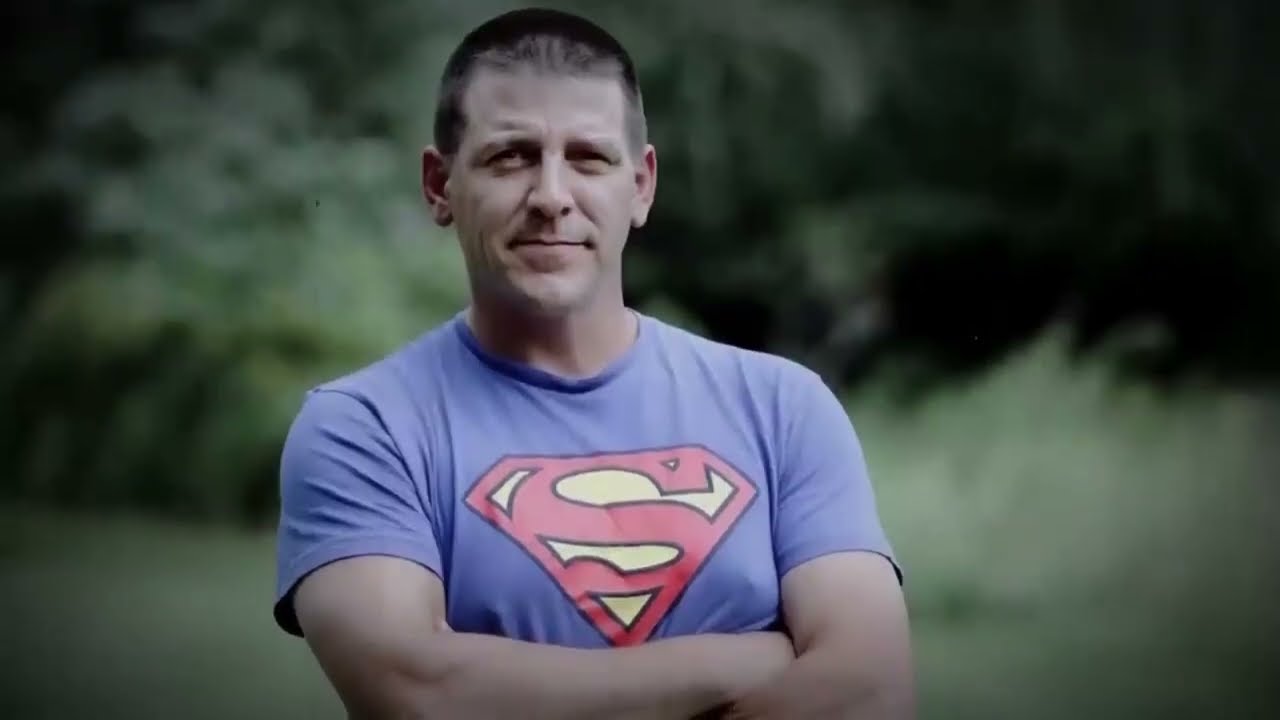
But the past has a way of catching up. In 2010, a blogger named Joy Baker started digging. She wasn’t a cop. She was a mom, just like Patty. She began writing about the case, asking questions that had been forgotten. She connected with a man named Jared Scheierl, who had been abducted and assaulted in the same area just months before Jacob took his final bike ride. Jared had survived. He had been fighting for justice for years, insisting his case was linked to Jacob’s.
Together, the blogger and the survivor uncovered a pattern the police had missed—or ignored. The “Paynesville Cluster.” A series of attacks on young boys in the years leading up to Jacob’s disappearance. The MO was always the same: a masked man, a gun, threats. The police had treated them as isolated incidents of harassment. Baker and Scheierl saw them for what they were: practice runs.
The Breakthrough
Their amateur sleuthing embarrassed the authorities into taking a fresh look. In 2015, the miracle of modern science finally intervened. DNA testing on the clothing Jared Scheierl was wearing the night of his attack in 1989 revealed a match. It wasn’t a mystery man. It was Danny Heinrich. The same Danny Heinrich who had been interviewed and released twenty-five years earlier.
The police raided Heinrich’s home. They found child pornography—a massive stash. It was enough to arrest him, to lock him up. But it wasn’t proof he killed Jacob. He was charged with the pornography and the assault on Jared (though the statute of limitations had passed, it was used as evidence of a pattern). The authorities knew they had their man. But they had a problem: Heinrich wasn’t talking.
This led to the most controversial, gut-wrenching decision in the history of the case. The prosecutors sat down with the Wetterlings. They had a choice: pursue a long sentence for the porn charges and likely never find Jacob, or offer Heinrich a deal. A deal for a lighter sentence—20 years—in exchange for a full confession and the location of the body.
Patty and Jerry Wetterling, who had spent half their lives searching, made the impossible choice. They chose the truth. They chose to bring their boy home, even if it meant making a deal with the monster who took him. It was a decision born of pure love and desperate exhaustion. They needed to know.
On September 3, 2016, Danny Heinrich led investigators to a farm field in Paynesville. He pointed to a spot of earth that looked like any other. “He’s there,” he said. And he was. They found the red jacket. They found the remains. The 27-year mystery was over. Jacob wasn’t coming home to his room; he was coming home to be laid to rest.
The Devil in the Details
Heinrich’s confession in court was a transcript of pure evil. He spoke in a monotone, describing the abduction as if he were recalling a grocery run. He detailed how he handcuffed Jacob. How he drove him around. How he assaulted him. And then, the final moments. Jacob asked him, “What did I do wrong?” Heinrich told him, “Nothing.” Then he turned him around and ended his life.
The courtroom was silent, save for the sound of weeping. This wasn’t the ending anyone wanted. There was no hero saving the day. Just a sad, broken man confessing to destroying a beautiful life for no reason other than his own sick gratification. He admitted to listening to the scanner, to watching the news, to feeling a thrill at getting away with it.
The plea deal sparked a firestorm. Twenty years? For kidnapping, raping, and murdering an eleven-year-old boy? It felt like a slap in the face to justice. People were furious. They wanted him to rot. They wanted the death penalty. But the legal reality was stark: without his confession, without the body, a murder conviction was nearly impossible. The deal was the price of the truth.
Heinrich was sentenced to 20 years. He will likely die in prison, or be civilly committed as a sexual predator if he is ever released. But the number on the paper didn’t matter as much as the finality. The “Hope” was gone, replaced by a crushing grief, but also a strange sense of peace. Jacob was no longer “missing.” He was found.
The Fallout and The Legacy
The impact of this case cannot be overstated. It changed how we parent. The “free-range” childhood of the 80s died with Jacob Wetterling. We started watching our kids closer. We stopped letting them ride bikes to the store at night. The “Stranger Danger” panic that gripped the 90s has its roots in St. Joseph, Minnesota.
But it also changed the system. The failures in the initial investigation—the missed leads, the lack of communication between jurisdictions, the failure to connect the “Paynesville Cluster”—forced a revolution in policing. The FBI’s Child Abduction Rapid Deployment team exists largely because of lessons learned here. The sex offender registries that parents check when they move to a new neighborhood are Jacob’s legacy.
Patty Wetterling emerged as a figure of immense strength. She didn’t retreat into bitterness. She wrote a book, Dear Jacob: A Mother’s Journey, chronicling her life. She continues to fight for victims. She forgave the unforgivable, not for Heinrich’s sake, but for her own survival. She taught a nation that hope isn’t just about a happy ending; it’s about never giving up on the people you love.
The case also highlighted the power of the citizen detective. Joy Baker, the blogger, proved that sometimes, passion and persistence can outwork a badge. She didn’t do it for fame; she did it because she was a mom who saw another mom hurting. Her role in connecting the dots is a testament to the power of community.
But the sadness lingers. We mourn not just for Jacob, but for the life he never got to live. He would be in his 40s now. He might have been an astronomer, discovering new galaxies. He might have been a father, teaching his own son to play soccer. All of that potential was stolen in a heartbeat, leaving a void that can never be filled.
Netizen Reactions
The online reaction to the resolution of the Jacob Wetterling case was a digital tidal wave of emotion. It seemed everyone had a story about how this case touched them.
“I grew up in Minnesota,” one user commented on a news clip. “We all wore the buttons. We all left the lights on. I remember being terrified to go outside. Finding out he was just miles away the whole time… it makes me physically sick.”
Others focused on the sentence. “20 years is a joke,” read a top comment on Facebook. “He stole a life and ruined a family for 27 years. He should never see the light of day. The justice system failed Jacob twice—first by not catching him, and then by giving him a deal.”
There was also an outpouring of love for the Wetterlings. “Patty Wetterling is a saint,” a Twitter user wrote. “I don’t know how she stands. To listen to that monster describe what he did and not attack him… she is stronger than I will ever be. Rest in peace, Jacob. You are finally home.”
Many noted the role of the blogger. “It’s crazy that a mom with a blog did more than the FBI in 20 years,” a Reddit thread discussed. “It really shows that you have to be your own advocate. If she hadn’t connected the Paynesville cases, Heinrich would still be free.”
The sentiment “Reality surpasses the worst nightmare” echoed across forums. People were horrified by the banality of the evil. “He wasn’t a master criminal. He was just a creep in a crappy car. That’s what’s so scary. It could be anyone.”
The overwhelming feeling was one of collective heartbreak. “I really thought he was alive,” one woman posted on the foundation’s page. “I convinced myself he had been taken by someone who wanted a son. Hearing the truth… it broke a piece of my childhood. The world is a darker place than I wanted to believe.”
Conclusion
The story of Jacob Wetterling is not an easy one to tell. It’s a story that starts with a boy on a bike and ends with a skeleton in a pasture. It strips away the comforting lies we tell ourselves about safety and justice. It forces us to look into the abyss of human cruelty.
But if you look closely, there is light. It shines in the persistence of Patty and Jerry Wetterling. It shines in the courage of Jared Scheierl, who refused to be a silent victim. It shines in the dedication of a blogger who wouldn’t let a cold case stay cold. And it shines in the memory of a boy who, for 27 years, united a nation in hope.
Jacob is home now. The ribbons can be taken down. The porch lights can be turned off. But we must never forget the lesson he taught us: that our children are precious, that evil is real, and that the fight for justice is never, ever over.
What do you think? Was the plea deal worth it to bring Jacob home, or did Danny Heinrich get away with murder? Tell us your thoughts in the comments below and share this article to keep Jacob’s memory alive. Let’s make sure that no other child has to wait 27 years to be found.