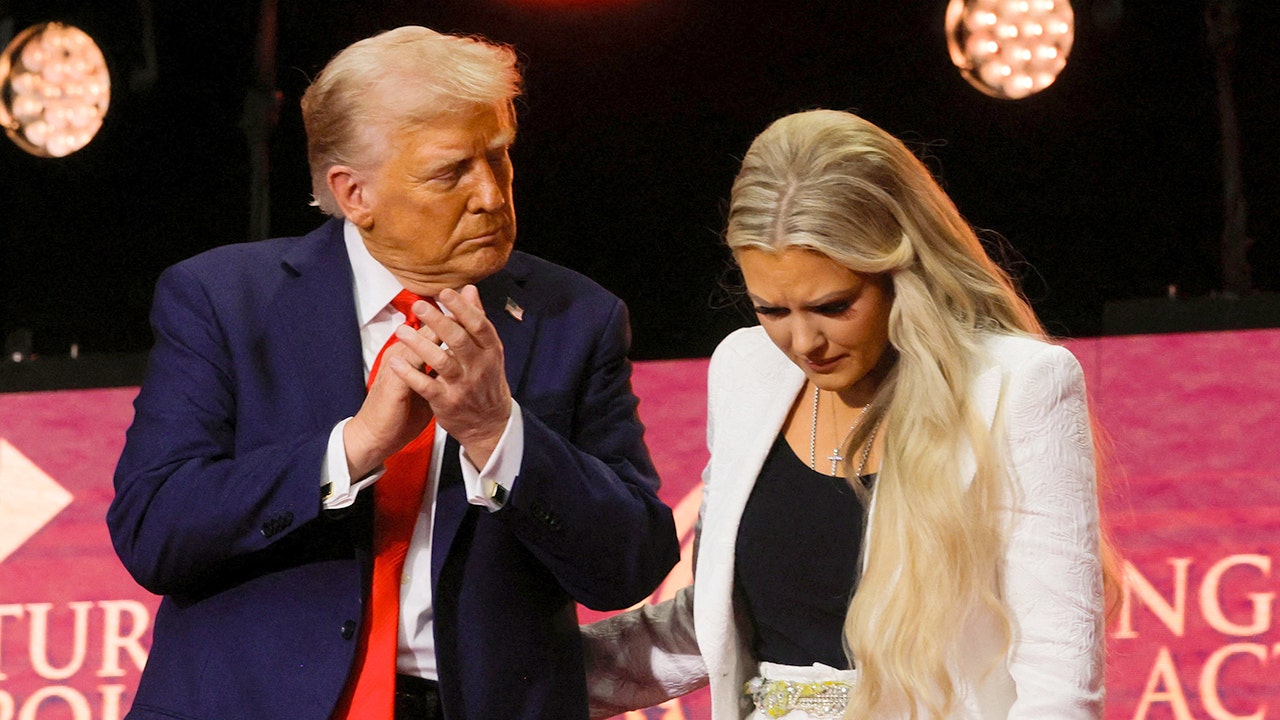
The sudden and tragic death of conservative firebrand Charlie Kirk sent shockwaves through the political world, but few could have predicted the storm that would follow for his widow, Erika Kirk. In the wake of her husband’s passing, Erika stepped boldly into the spotlight, assuming the role of CEO and chairwoman at Turning Point USA. What began as a story of resilience and continuity quickly morphed into something far more turbulent as old chapters of her life came roaring back into focus. At the center of it all? Her early work with a nonprofit project called Romanian Angels, and a wave of online speculation tying it to disturbing allegations from Romania’s past.
Let’s step back for a moment. Before she was known as Mrs. Kirk, Erika Frantzve was building a reputation as a driven philanthropist and former pageant participant deeply rooted in conservative circles. In the early 2010s, she founded Everyday Heroes Like You, a nonprofit dedicated to spotlighting and supporting lesser-known charitable efforts. One of its standout initiatives was Romanian Angels, a heartfelt program aimed at bringing holiday cheer to children in Romanian orphanages. The concept was straightforward and touching on the surface: Americans could “adopt” a child by sponsoring gifts from their wishlist, which would then be personally delivered by U.S. military service members stationed nearby. Videos from the time show Erika warmly interacting with kids at the Antonio Placement Center in Constanta, hugging them and referring to them as her “little angels.” She even gave special thanks to Colonel Otto Busher for helping make the project possible.

Constanta, a port city on the Black Sea, sits close to significant NATO installations, including Mihail Kogălniceanu Air Base. During the same window—roughly 2011 to 2015—Romanian media and authorities were grappling with broader concerns about trafficking networks, particularly those exploiting vulnerable populations near foreign military presences. Reports from that era highlighted missing children linked to various aid programs, murky orphanage-adjacent operations, and the challenges of regulating international involvement after Romania’s earlier adoption scandals. Strict laws had curtailed formal adoptions, but access through volunteer and gift-based charities remained a gray area.
Fast-forward to today, and these historical threads have been pulled into the present by determined online investigators. Newly translated documents from Romanian sources, some dating back to those exact years, describe ongoing probes into trafficking routes involving charity pipelines and military-adjacent groups. While Erika’s organization isn’t named directly in these reports, significant portions remain redacted, leaving room for speculation. The overlap in timelines, locations, and partnerships has sparked intense debate. Why, people ask, does so much remain hidden if everything was above board?
Adding to the intrigue is the mention of Colonel Busher. In resurfaced charity footage, Erika credits him for facilitating the deliveries. Separate Romanian investigations years later referenced Busher in connection to allegations of misconduct on base, including claims of exploitation involving young women. Though no charges directly linked to children or Erika’s project emerged, the association has proven impossible for conspiracy-minded users to ignore. Social media threads trace the proximity of the Antonio Placement Center to the base—less than 10 miles—and question how such a small world could produce so many coincidences.
Critics point out that Erika’s rise was meteoric: from Miss Arizona in the Trump-affiliated pageant system, to nonprofit founder with high-level connections, to political influencer. Some draw parallels to larger conversations about protected systems, echoing viral comments from figures like Congresswoman Jasmine Crockett on entrenched networks. Others note that Romanian Angels quietly wrapped up around 2019, the same year Jeffrey Epstein’s case exploded into public view, though no credible links exist.

Fact-checking organizations have weighed in heavily, with outlets like PolitiFact, Snopes, and Lead Stories reviewing Romanian court records, media archives, and statements from local partners. They consistently find no evidence of wrongdoing by Erika or her group—no formal accusations, no bans, no involvement in trafficking. Romanian media from the time portrayed the gift deliveries positively, and collaborators like United Hands Romania described the collaboration as limited, supervised, and focused solely on holiday support. Claims of a ban or expulsion appear to stem from unverified social media posts rather than official action.
Yet the story persists, fueled by the redactions, the military context, and the emotional weight of vulnerable children. In an era where trust in institutions is fragile, even the absence of proof becomes proof for some. Erika’s decision to take the helm at TPUSA so swiftly after her loss has only amplified the scrutiny—grieving widows are often afforded grace, but leaders face relentless examination.
This saga raises deeper questions about how past actions, no matter how well-intentioned, can be reinterpreted through modern lenses. Philanthropy in sensitive regions carries risks, and proximity to controversy can cast long shadows. Whether these rumors fade or grow depends on what surfaces next—more translations, more archives, more voices. For now, the conversation rages on, reminding us that in the digital age, no story truly ends; it simply waits for the next chapter to unfold. (Word count: 1,248)