

A California woman serving life behind bars for a string of brutal attacks is once again drawing attention — not for her crimes, but for her surprising role as an advocate for fellow inmates. And many say the irony is impossible to ignore.
Dana Sue Gray, now 67, has spent nearly three decades in prison after admitting to a series of violent assaults in the mid-1990s. In a 2024 interview with The Independent, Gray claimed she now fights for women behind bars, telling the outlet, “Most women are taught to stay quiet and follow orders — that’s why so many don’t push back.”

But long before she began championing prisoner rights, Gray was at the center of one of Southern California’s most disturbing crime sprees — one prosecutors say wasn’t fully accounted for in the plea deal that sent her to prison in 1998.
A Crime Scene That Shocked Investigators
Detective Joseph Greco of the Perris Police Department still remembers the day he walked into an upscale Canyon Lake home on February 16, 1994. Inside, 86-year-old Norma Davis lay dead after being stabbed repeatedly and strangled with a phone cord.
Greco told A&E Crime + Investigation the violence went far beyond what was needed to kill the elderly woman. “It was personal,” he said, describing the scene as “overkill.”
An unusual shoe print found in the kitchen caught investigators’ attention — a small sneaker that didn’t belong to the victim or her caregivers. “That’s when I first considered the attacker could be a woman,” Greco recalled.
At that point, Gray wasn’t even on the radar. Detectives initially focused on Davis’ former daughter-in-law, Jeri Armbrust, and her family, including Armbrust’s stepdaughter, Dana Gray. But there wasn’t enough to tie any of them to the crime.
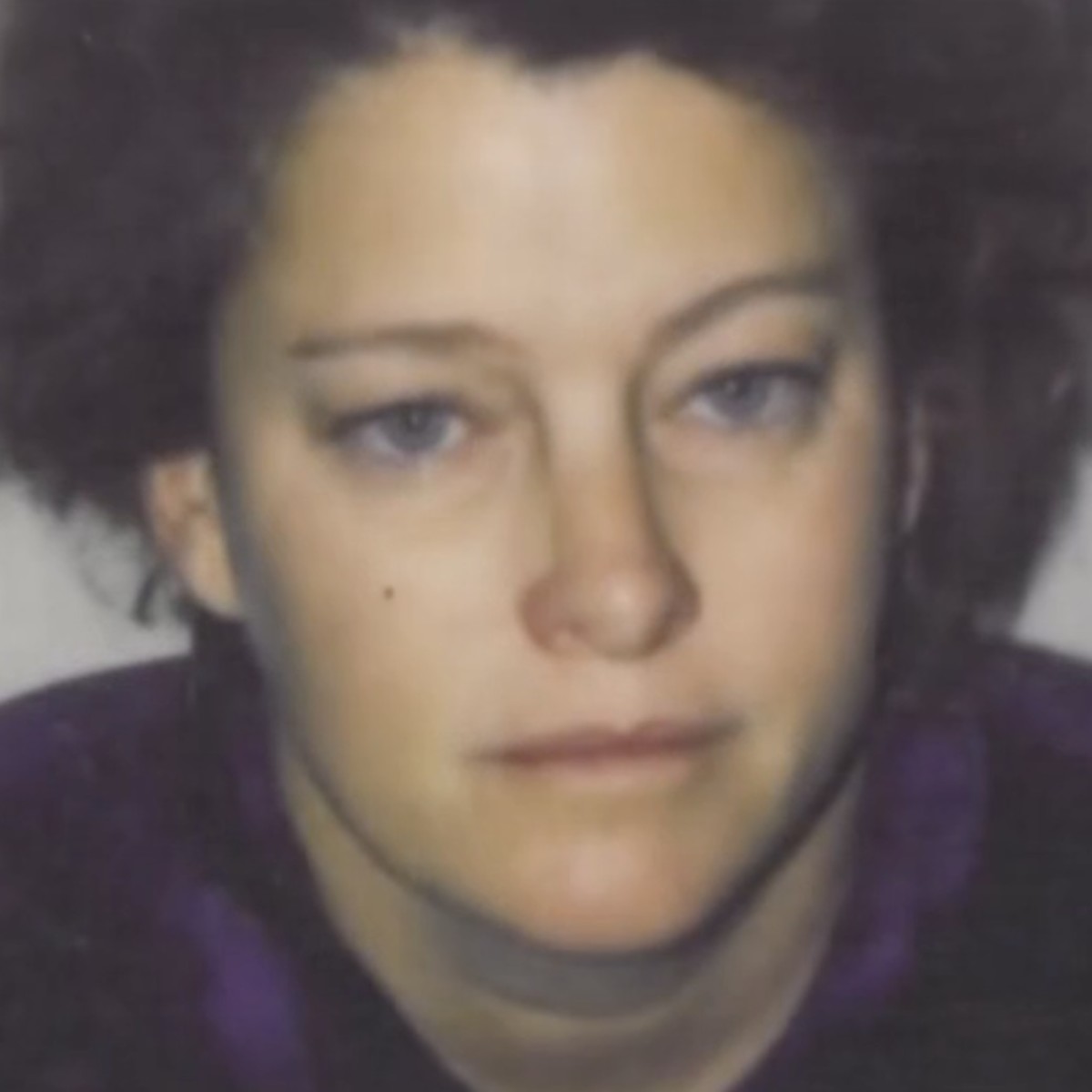
A Second Killing Raises Alarm Bells
Twelve days later, Greco was called back to the same gated community for another murder. This time, 66-year-old June Roberts had been beaten with a wine decanter and strangled — again with a phone cord. Items of value were left behind, but her credit cards were gone.
Robbery didn’t seem like the point, Greco noted. “The violence came first,” he said.
Investigators tracked the stolen cards to several stores, including a hair salon where a woman who matched the suspect profile had just dyed her blonde hair red. The young boy with her described her as his “other mommy,” a detail that would soon play a critical role.
A Survivor Points the Case Toward Gray
On March 10, 1994, shop worker Dorinda Hawkins was attacked inside an antiques store in Lake Elsinore. Gray strangled her and stole cash before fleeing, but Hawkins lived — and later told investigators the attacker said her rampage “wasn’t about money.”

When Greco described the suspect to Armbrust — a formerly blonde woman with new red hair who acted as a mother figure to a young boy — she didn’t have a name at first. But after Gray casually showed up at her house flaunting that exact description, Armbrust called detectives.
A Final Murder Before Police Closed In
Authorities rushed to obtain a search warrant, but before they could serve it, Gray struck again. On March 16, she followed 87-year-old Dora Beebe home and murdered her with a phone cord and a clothes iron, later draining nearly $2,000 from her bank account.
Police searching Gray’s home found a stockpile of evidence: cash from Beebe’s account, items purchased with Roberts’ credit cards, sneakers matching the print at Davis’ murder, and keys from the antiques store. Hawkins later identified Gray in a photo lineup.
Gray initially denied everything, claiming she had “found” the victims’ cards and bank book. She later said she stole because “shopping puts me at rest.”

A Plea Deal That Left Out One Victim
Faced with the death penalty, Gray pursued an insanity defense, but was found mentally competent. Days before trial, she accepted a plea deal: guilty pleas in two murders and one attempted murder. In return, prosecutors agreed not to charge her in Davis’ killing — the one Greco still believes she committed.
“She couldn’t admit to that one,” he said. “It was too close.”
Despite his lingering doubts, Greco said he supports her work with other inmates — with limits. “I think it’s good she’s trying to help,” he stated. “But sincerity is hard to measure in someone capable of that kind of violence.”