
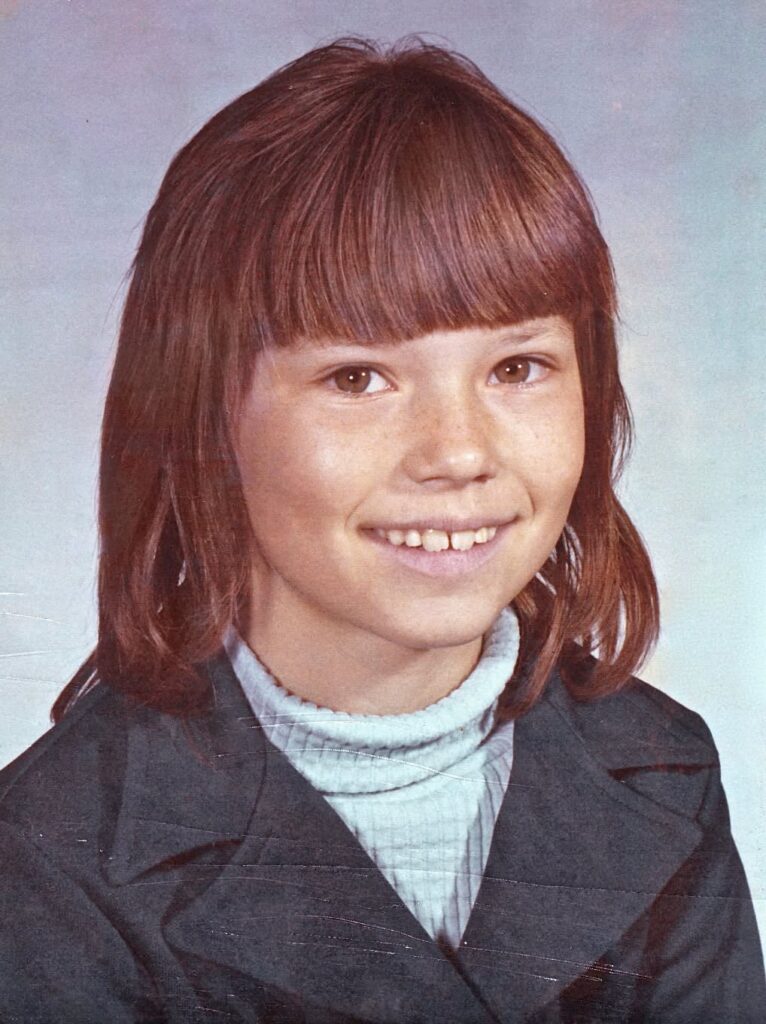
Shania Twain is a major superstar whose name is known worldwide. However, her life was not always as glamorous as one would assume. It is always fascinating to know more about your favorite celebrity’s childhood, and the singer’s early years might surprise you. She might dominate the charts and travel the world now, but she did not always have an easy life.
A Childhood Defined by Poverty
Born to a family grappling with extreme poverty in Timmins, Ontario, Shania had a remarkably tough start to life. Her stepfather’s low-paying reforestation job and her mother’s battle with depression made survival a daily challenge. As one of five children, she had to learn early on how to do without basic necessities.
The family’s financial struggles were so severe that she lived without essentials such as food, heating, and electricity. She realized her life was different from her classmates when she would go to school without a lunch. During break times, she would watch her peers, hoping they would leave some of their food uneaten so she could take it. To hide her situation, the young girl would tell her teachers that she had simply left her lunch in her locker or at home.

Escaping Through Music
To cope with the harsh realities of her life, she turned to music as an escape. She would often head into the forest with her guitar, light a small fire, and lose herself in her melodies. This helped her forget the heavy weight of responsibility and poverty that defined her real life.
Her mother recognized her talent early on and began taking her to perform at local bars when she was just 8 years old. Because she was legally too young to be in places where alcohol was served, she would have to perform after midnight, once the active service of alcohol had slowed down. At age 11, she received a permit to perform earlier in the evening, but she did not start receiving pay for her work until she was fourteen.
During her teen years, she also started working at McDonald’s—a job she later referred to as her “saving grace.” It provided her with a steady paycheck and, crucially, regular meals, which was a luxury she hadn’t known before. Her schedule was grueling; she would work at McDonald’s after school and then head to the bars to sing late into the night, leaving her perpetually exhausted but hopeful for a better future.
Unspeakable Trauma and Loss
Poverty was not the only struggle in her household. Her stepfather, who had legally adopted her and her siblings, was harsh and abusive, creating a toxic and terrifying environment. Shania recalls having to defend herself against his violence; she once even threw a chair at him in self-defense, later noting, “I think a lot of that was anger, not courage.”
The trauma deepened when, at age ten, her stepfather began to sexually abuse her. She kept this a secret for many years, carrying the heavy burden until she felt brave enough to speak about it publicly much later in life.
At age 22, her life took another tragic turn when her mother and stepfather were killed in a car crash. As the second eldest, Shania was suddenly left responsible for her younger siblings. Determined to keep the family together, she took a singing job at a nearby resort. Her life at the time was incredibly stressful: she would wake up to chop wood to heat the house, get her siblings to school, and then perform late into the night. For her job, she had to maintain the image of a polished, feminine singer—marking the first time she was forced to focus on her appearance despite having no time for herself.
The Big Break and Rising Fame
Once her siblings became independent, Shania was finally able to focus on her own career. She recorded a demo that caught the attention of Mercury Nashville, marking the official beginning of her musical journey.
Soon after, she met the renowned music producer Robert “Mutt” Lange. Their relationship turned romantic, and the two married. Together, they developed her iconic musical style, co-writing and producing hits that reached massive global audiences.

Health Battles and Betrayal
As her success reached its peak, Shania noticed her voice was failing. It took a decade to receive a diagnosis: Lyme disease, which had severely affected her vocal cords. She was forced to take a break from singing and undergo surgery. Although her voice returned with a raspier tone, she embraced the change and continued her music.
While her career was resilient, her personal life faced a devastating blow. Despite having a son together, Eja D’Angelo Lange, Shania discovered that her husband was having an affair with her close friend and secretary, Marie-Anne Thiébaud. In a strange twist of fate, Shania found an unexpected ally in Frédéric Thiébaud—Marie-Anne’s husband—who was equally blindsided by the betrayal.
Their shared devastation eventually blossomed into a romance, and in 2011, Shania and Frédéric married, beginning a new and happier chapter. Today, Shania reveals she holds no resentment toward her ex-husband, acknowledging his role in her musical career and the child they share.
From the lowest of lows to the highest of highs, Shania Twain has seen it all. Her story remains a testament to resilience and the power of music to overcome even the darkest circumstances.