
The death of a teenager has been confirmed as Australia’s first fatal case of a tick-induced red meat allergy, raising fresh concerns about the little-known condition.
Jeremy Webb was on a trip with three friends on the Central Coast of NSW on June 10, 2022, when he ate beef sausages cooked over a campfire.
By 11pm, the 16-year-old had started having difficulty breathing and collapsed on his way to get help from an adult in a nearby caravan.
His friends tried to resuscitate him but the outgoing, athletic teen was pronounced dead just an hour and a half later at Gosford Hospital.
Although it was initially believed he died from asthma, Jeremy was posthumously diagnosed with an allergy to red meat.
NSW Deputy State Coroner Carmel Forbes ruled on Thursday that the allergic reaction sparked the deadly asthma attack, ABC News reported.
‘Without the anaphylaxis, the asthma would not have caused his death,’ Magistrate Forbes told the court.
Following the statement, Jeremy’s mother Dr Myfanwy Webb told the Daily Mail the ruling has allowed their family to create positive change.

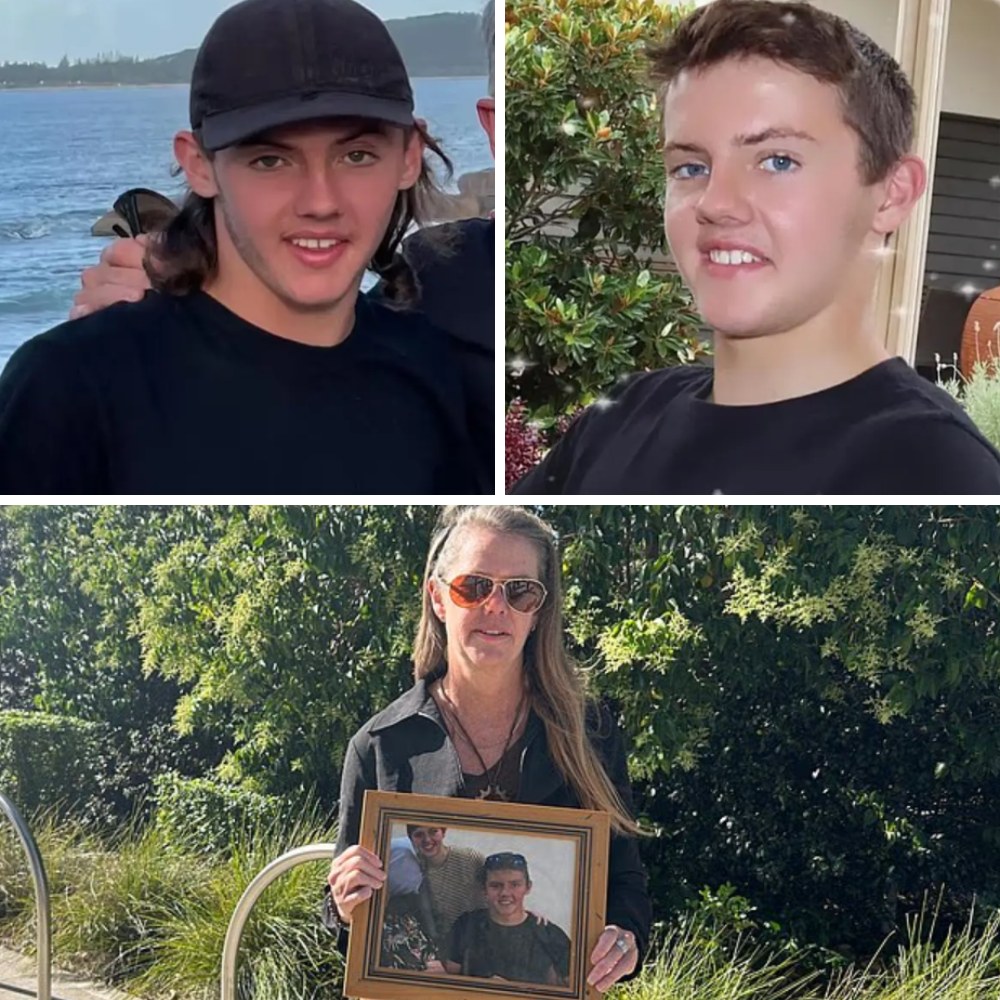
The death of New South Wales teenager Jeremy Webb (pictured) has been confirmed as Australia’s first fatal case of a tick-induced red meat allergy
‘The main finding of the direct cause of death is exactly what we hoped for,’ she said.
‘I think this is really good as it will give us a bit of closure in our angst in this.
‘We have done everything we can to try and transform Jeremy’s death into something that will make a difference for people in the future.’
Dr Webb has previously said her son was repeatedly bitten by ticks from the age of two during camping trips, which she believes led to his adverse reactions to red meat.
Tick bites can trigger a mammalian meat allergy, which can manifest as stomach discomfort, nausea, vomiting, hives or swelling, or escalate to anaphylaxis.
During the inquest into Jeremy’s death, allergy expert Associate Professor Sheryl van Nunen told the court it can take up to five hours for symptoms to develop after eating red meat.
‘But when it starts, it evolves rapidly. So people go from zero to 100,’ she said.
She believed Jeremy had a mammalian meat allergy since childhood, based on his rapid onset asthma, his history of tick bites, and a history of allergic symptoms after eating red meat.

Jeremy’s mother Dr Myfanwy Webb (pictured) has previously said her son was repeatedly bitten by ticks from the age of two which she believes led to his adverse reactions to red meat
Associate Professor van Nunen previously told the inquest there had been a 40 per cent year-on-year increase in mammalian meat allergy diagnoses in Australia since 2020.
The highest rates are in NSW and Queensland, with the Sydney basin – notably the Northern Beaches – becoming a global hotspot.
Deaths from mammalian meat allergy are extremely rare, with the few recorded deaths caused by medicines containing the meat allergen referred to as alpha-gal.
Experts agreed Jeremy died from a combination of severe allergic reaction or anaphylaxis and acute asthma attack.
The inquest has examined the adequacy of Jeremy’s medical treatment before his death, the role of anaphylaxis in his death, and whether it could have been prevented by earlier detection.
Dr Webb said on Thursday that she was glad the coroner read out the recommendations of what Gosford Hospital will be doing in the future to prevent further deaths, including the need for specific training to recognise and treat people with anaphylaxis.
‘Gosford Hospital is going to have Jeremy’s case as an anonymous case that is used in their training,’ she added.
‘It just shows that Jeremy is not just a number. They will understand the importance of this issue and have a human face to it. To be able to relate is important.

Tick bites can trigger a mammalian meat allergy, which can manifest as stomach discomfort, nausea, vomiting, hives or swelling, or escalate to anaphylaxis (stock image)
‘Gosford Hospital are in the box seat for getting this information out there nationwide, and hopefully [their research] can be rolled out across Australia and worldwide.’
The Daily Mail has contacted the hospital for comment.
In November last year, researchers from the University of Virginia confirmed what is believed to be the world’s first documented alpha-gal syndrome death.
Doctors reported a 47-year-old New Jersey man died in 2024 after eating beef, with symptoms starting four hours after his meal.
The campaign group Tick Induced Allergies Research and Awareness (TIARA) has detailed guidance on its website for prevention.
People walking or working in areas where ticks occur, such as the bush, should wear light-coloured clothing including long-sleeved shirts and long pants tucked into socks.
If someone is bitten by a tick, people are advised not to remove it with tweezers or tick-removal gadgets, which might accidentally squeeze the tick.
Doing so could ’cause tick saliva to enter your body, increasing the risk of tick-induced allergies’, the campaign said.
The best removal method is to spray freezing medication and then allow the tick to drop off. If that fails, TIARA advises removal via a GP or at an emergency department.