
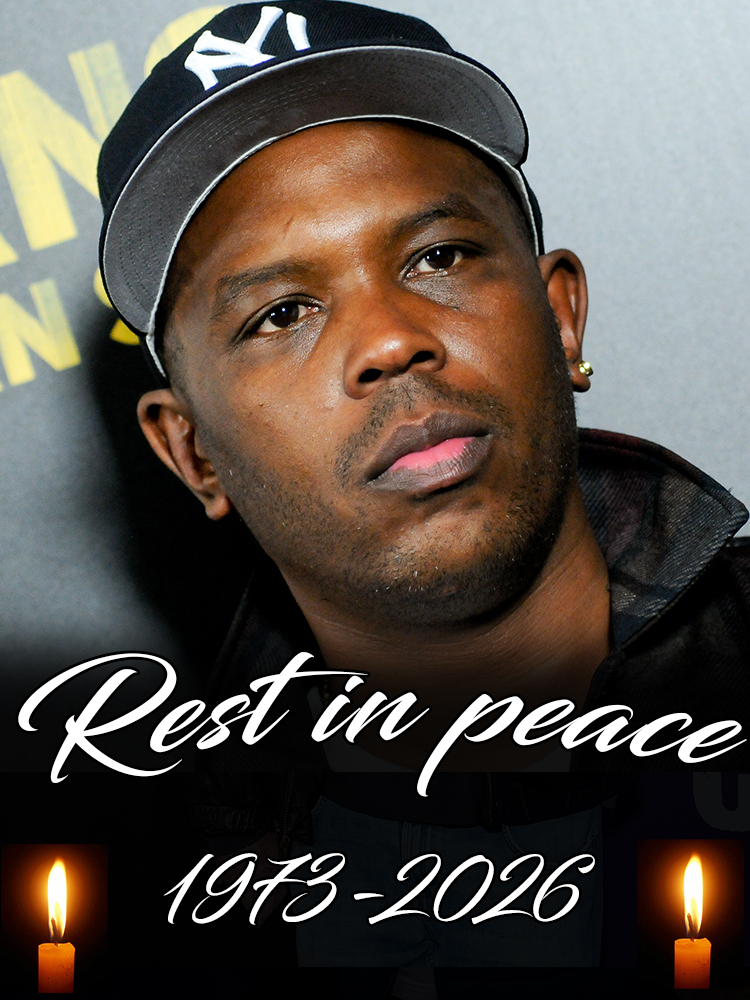
The hip-hop community is in mourning following the loss of one of its most influential behind-the-scenes titans. The Wu-Tang Clan, the seminal rap collective that redefined the music industry from the streets of Staten Island, confirmed on Tuesday that founding member and executive mastermind Oliver “Power” Grant has passed away. He was 52.
The announcement, shared via the group’s official social media channels on February 24, 2026, sent shockwaves through the industry. According to reports from Hot 97, Grant died on Monday, February 23. While his impact on global culture was immense, the specific cause of death has not yet been disclosed to the public.
“Wu Wouldn’t Have Come to Fruition Without Power”
Though he was not one of the “Nine Devils” seen holding a microphone, Oliver Grant was the indispensable engine behind the Wu-Tang machine. Born on November 3, 1973, in Jamaica and raised in the formidable Park Hill Projects of Staten Island, Grant was a childhood contemporary of the men who would eventually become the Clan.
His role was that of a navigator. As the group’s executive producer and business strategist, Grant was the architect who translated RZA’s sonic genius into a global enterprise. The depth of the loss was immediately felt by the group’s core members, who took to digital platforms to honor their fallen brother.
“Paradise my Brother safe Travels!!” posted Grammy-winning rapper and founding member Method Man. GZA, the group’s lyrical “Genius,” shared a poignant tribute alongside a photograph of the two: “We couldn’t have done it without him. Wu wouldn’t have come to fruition without Power. His passing is a profound loss to us all.”

From the Streets to the Runway: The Wu Wear Legacy
Grant’s genius lay in his understanding of hip-hop as a holistic identity. He famously noted that success was born of two primary drivers: “Either you’re inspired, or you’re desperate.”
In 1995, he parlayed the group’s musical momentum into Wu Wear, a pioneering streetwear brand that predated the explosion of rapper-led fashion lines. What started as a grassroots effort in Staten Island eventually expanded into a retail empire with flagship stores in Atlanta and Los Angeles. Grant’s business acumen was solidified when the brand secured a historic placement in Macy’s, bringing the aesthetic of the “36 Chambers” to suburban malls across America.
Reflecting on those early years in a 2001 interview with Passion of the Weiss, Grant described the DIY nature of their ascent. “Wu Wear was pretty much like our entry in the fashion biz. But before I was in Wu Wear, I was making and marketing the first Wu records with RZA. Everything that we learned was hard-knock life… There were no models.”
A Bittersweet Milestone: The Hall of Fame Calls
The timing of Grant’s passing adds a layer of tragic irony to the group’s trajectory. Just 24 hours after his death, the Wu-Tang Clan earned its first-ever nomination for the Rock & Roll Hall of Fame as part of the Class of 2026.
If inducted, the group would join an elite echelon of hip-hop royalty, alongside icons like Outkast and The Notorious B.I.G. It is a milestone that Grant, as the man who fought to ensure the Wu-Tang name became a “household brand,” helped make possible.
As the Clan continues to navigate its fifth decade as a cultural powerhouse, the absence of “Power” leaves a void in the leadership that once turned a Staten Island project into a global dynasty. Our thoughts are with the Grant family and the entire Wu-Tang brotherhood during this difficult time.