
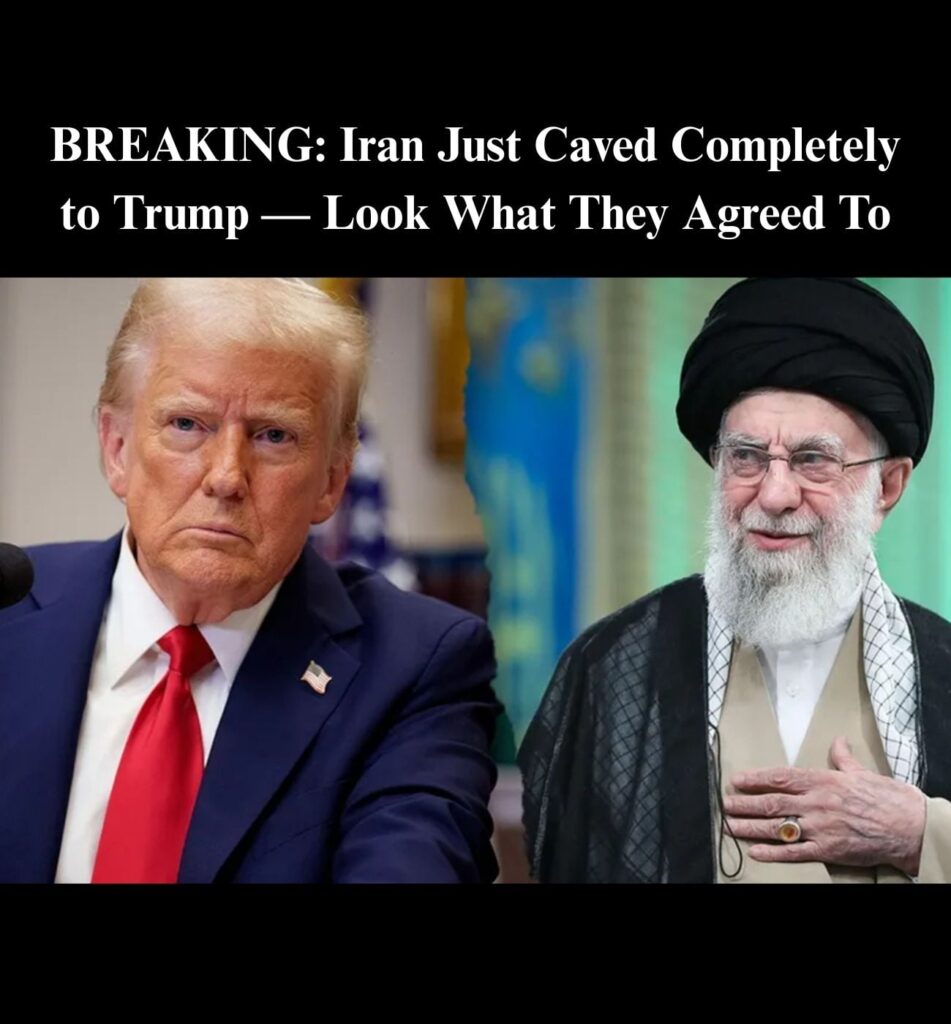
The reported assassination of Ayatollah Ali Khamenei and decapitation strike on Iran’s leadership have thrown the region into a volatile new era. U.S. B-2 bombers targeted ballistic missile sites while Israeli jets hunted launchers in coordinated attacks.
Nine Iranian warships were reportedly sunk as smoke rose over Tehran. Casualty counts have climbed into the hundreds following the initial wave of strikes against Iranian military infrastructure.
Despite the barrage, unnamed U.S. officials suggested “new potential leadership” in Iran may be open to dialogue. President Trump reportedly confirmed he had agreed to speak with these emerging figures through undisclosed channels.
Beyond Iran’s borders, the conflict is rapidly metastasizing. Iran-backed militias in Iraq and Lebanon have launched attacks on Israeli and American positions, while Gulf states threaten retaliation for strikes on their territory.
A British military base in Cyprus was struck by a suspected Iranian drone, drawing European powers closer to the confrontation. Four American troops have been confirmed dead in related attacks across the region.
Synagogues and civilian areas in Israel have also been hit amid the escalating violence. The widening scope has intensified fears that the conflict could spiral beyond initial expectations.
Between visible airstrikes and secret diplomatic channels, the world now watches uncertainly. The coming days will determine whether this confrontation ends in negotiated ceasefire or expands into a much wider regional war with global implications.