
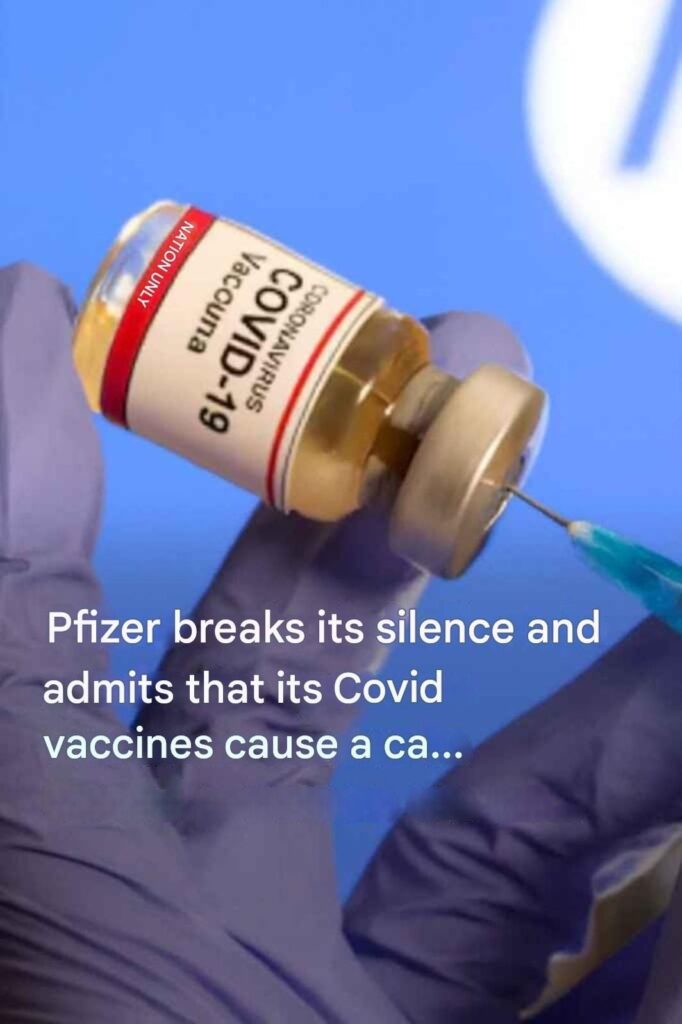
Pfizer’s response exposes a fault line that never fully healed: people wanted certainty in the middle of chaos, and instead got a moving target. Regulators demanded speed, scientists raced the clock, and billions were asked to say yes while the data were still being written in real time. For many, that felt less like informed consent and more like a leap into the dark.
Yet the same system that fueled suspicion also produced vaccines that, study after study shows, sharply reduced severe illness and death. The real damage may not be in the science, but in the silence that followed the hard questions. Clearer, humbler communication could have acknowledged doubt without surrendering to fear. Rebuilding trust now will require what was missing then: transparency before persuasion, honesty before reassurance, and the courage to admit that even life‑saving decisions can leave deep, human scars.