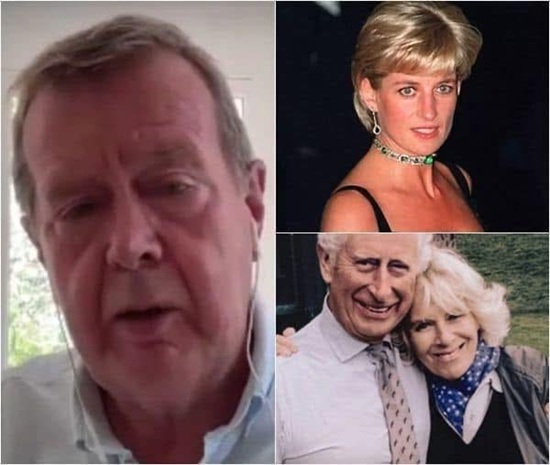
The passage of time has done little to diminish the global memory of August 31, 1997, a date that remains etched in modern history as the day the world lost Diana, Princess of Wales in a tragic car crash in Paris.
Nearly three decades later, the emotional impact of that घटना continues to resonate across generations. For millions, Diana represented compassion, modernity, and humanity within the royal institution, earning her the enduring title of the “People’s Princess.”
For her sons, Prince William and Prince Harry, the tragedy was deeply personal. It marked not just a historical moment, but the devastating loss of their mother at a young and vulnerable stage in their lives.
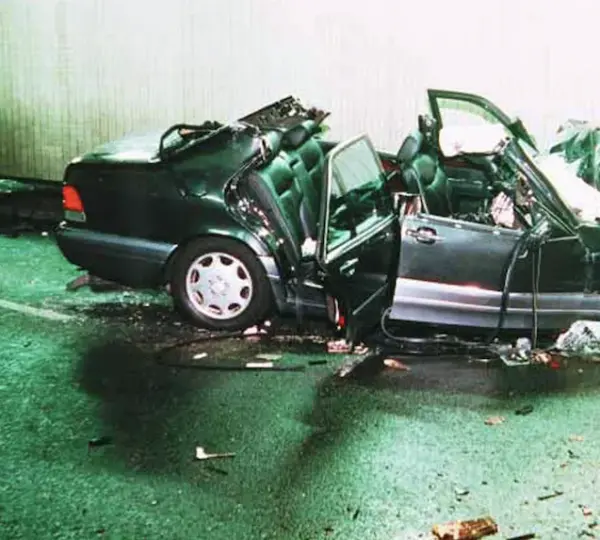
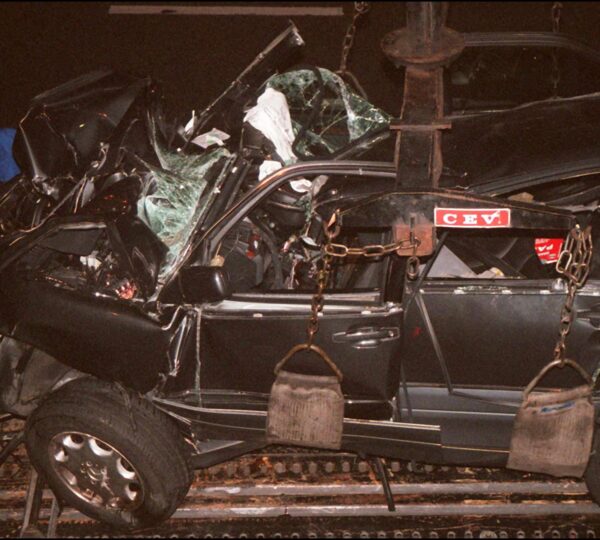
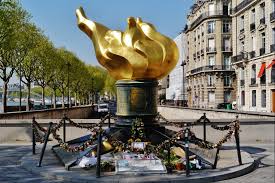
The crash occurred inside the Pont de l’Alma Tunnel, where the vehicle carrying Diana, her companion Dodi Fayed, and driver Henri Paul collided with a concrete pillar at high speed.
Over the years, numerous investigations, including the official British inquiry known as Operation Paget, concluded that the crash was caused primarily by reckless driving and the driver’s impairment, alongside pressure from pursuing paparazzi.
However, among those who knew Diana closely, questions about the circumstances have persisted. One such voice is Ken Wharfe, who served as her personal protection officer for several years.
Wharfe’s perspective is shaped by his professional experience within the Metropolitan Police Service, where he specialized in royal protection. His insights focus not on conspiracy, but on security failures and risk management.
According to Wharfe, the tragedy was not inevitable. Instead, he believes a series of critical decisions and lapses contributed to creating the dangerous conditions that ultimately led to the fatal crash.
The first issue often highlighted involves the driver, Henri Paul. On the night of the crash, Paul was acting head of security at the Ritz Hotel Paris and had been off duty earlier in the evening.
Investigations later confirmed that Paul was under the influence of alcohol and prescription medication at levels well above legal driving limits in France. This significantly impaired his ability to safely operate the vehicle.
Wharfe argues that within a professional royal protection framework, such a situation would have been impossible. Drivers assigned to high-profile individuals are typically rigorously trained, strictly monitored, and never permitted to drive under questionable conditions.
The vehicle involved, a Mercedes-Benz S280, was traveling at high speed while being pursued by photographers. This pursuit created a volatile and dangerous environment, particularly within the confined structure of the tunnel.
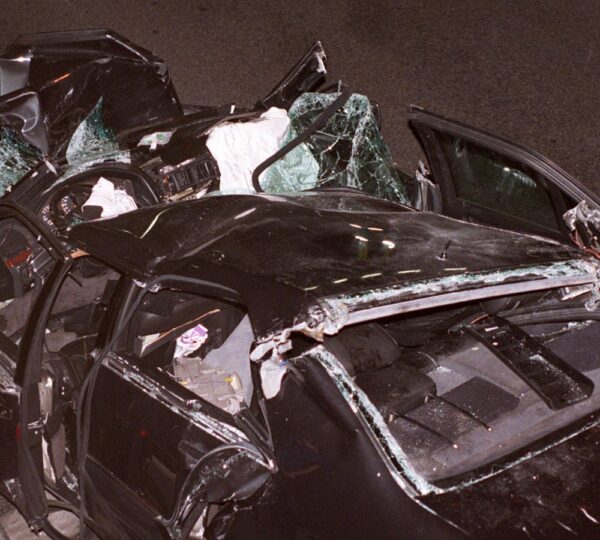
While paparazzi involvement played a role, official findings clarified that they were not directly responsible for the collision. However, their presence contributed to the pressure and urgency that influenced the driver’s behavior.
Another key factor often discussed is the lack of coordination with local authorities. On that evening, there was no formal police escort or structured traffic control to ensure a secure route through Paris.
Instead, the plan relied on avoiding attention rather than managing it. Diana and Dodi left the hotel through a rear exit while a decoy vehicle was positioned at the front to distract photographers.
This strategy, while intended to provide privacy, resulted in a reactive and unstructured departure. Without coordination with French police, the security team lacked the authority and logistical support needed to control the situation.
Wharfe has suggested that collaboration with local law enforcement could have significantly reduced risk. Police involvement might have allowed for controlled traffic conditions and a safer, more predictable journey.
The decision to rely on private security rather than official protection is another aspect frequently examined. Following her separation from King Charles III, Diana chose to step away from her formal royal security arrangements.
At the time, she expressed concerns about privacy and autonomy. She reportedly felt constrained by constant surveillance and wished to regain control over her personal life.
However, relinquishing official protection meant losing access to highly trained officers, intelligence resources, and established international security protocols that accompanied royal status.
Private security personnel, while capable, do not possess the same level of authority or coordination with global law enforcement agencies. This difference can be critical in high-risk environments involving public figures.
The events in Paris demonstrated how quickly circumstances can escalate without a structured security framework. Decisions made in real time lacked the oversight and discipline typically enforced by professional protection units.
Another crucial element often mentioned in official reports is the use of seatbelts. Investigations confirmed that most occupants in the vehicle, including Diana, were not wearing seatbelts at the time of the crash.
Experts have indicated that wearing a seatbelt could have significantly increased the chances of survival, even in a high-speed collision. This detail remains one of the most sobering aspects of the tragedy.
The sole survivor of the crash, bodyguard Trevor Rees-Jones, was the only occupant confirmed to have been wearing a seatbelt, further underscoring its importance.
Medical response has also been examined. French emergency services followed standard procedures, prioritizing stabilization at the scene before transport, which differs from practices in some other countries.
Despite these efforts, Diana’s injuries were severe, particularly internal chest trauma. She was transported to the Pitié-Salpêtrière Hospital, where she later died despite extensive medical intervention.

Public reaction to her death was unprecedented. Millions gathered to pay tribute, leaving flowers, messages, and personal tokens outside royal residences, particularly Kensington Palace.
Her funeral was watched by an estimated global audience of billions, reflecting her extraordinary influence and the deep emotional connection she had formed with people worldwide.
In the years since, Diana’s legacy has remained influential, particularly through her humanitarian work. She played a pivotal role in raising awareness about issues such as landmines and HIV/AIDS stigma.
Her ability to connect with people from all walks of life helped redefine the public perception of royalty. She brought a sense of accessibility and compassion that resonated far beyond traditional royal expectations.
The continued discussion of her death often reflects a broader human desire to understand tragedy. People naturally seek explanations, especially when a loss feels sudden and preventable.
While Ken Wharfe’s perspective highlights important considerations, it is essential to rely on verified findings from official investigations. These provide the most accurate and evidence-based understanding of the घटना.
Operation Paget, concluded in 2006, firmly rejected conspiracy theories and confirmed that the crash resulted from a combination of driver impairment, excessive speed, and external pressure from pursuing photographers.
This conclusion has been supported by multiple independent investigations, reinforcing the importance of distinguishing between informed opinion and established fact.
Wharfe’s insights, however, continue to contribute to discussions about personal security and risk management, particularly for high-profile individuals operating outside official protection systems.
The tragedy also prompted changes in how media behavior is viewed, especially regarding paparazzi conduct. It sparked global conversations about privacy, ethics, and accountability in journalism.
In many ways, Diana’s death marked a turning point in public awareness about the pressures faced by public figures. It highlighted the intersection between fame, media scrutiny, and personal safety.
Today, her sons continue to honor her legacy through charitable work and advocacy. Both Prince William and Prince Harry have spoken openly about the impact of her life and death on their own paths.
Their efforts to address mental health, humanitarian issues, and social causes reflect values that were central to Diana’s own work and public identity.
As time passes, interest in her life and legacy shows no sign of fading. Documentaries, books, and public discussions continue to revisit her story from new perspectives.
The enduring fascination is not solely about her death, but about the life she lived and the change she inspired. She remains a symbol of empathy, resilience, and transformation.
The circumstances surrounding the Paris crash serve as a reminder of how multiple factors can converge in moments of crisis. Each decision, however small, can influence the outcome in significant ways.
While it is impossible to change the past, understanding these factors can provide valuable lessons for the future, particularly in areas related to safety, responsibility, and public accountability.
Ultimately, Diana’s story is one of both profound loss and lasting impact. Her legacy continues to shape conversations about compassion, leadership, and the role of public figures in society.
Even decades later, she remains a figure who transcends time, remembered not only for how she died, but for how she lived and the difference she made in the world.
The continued reflection on her life ensures that her influence endures, reminding future generations of the power of kindness, courage, and human connection.