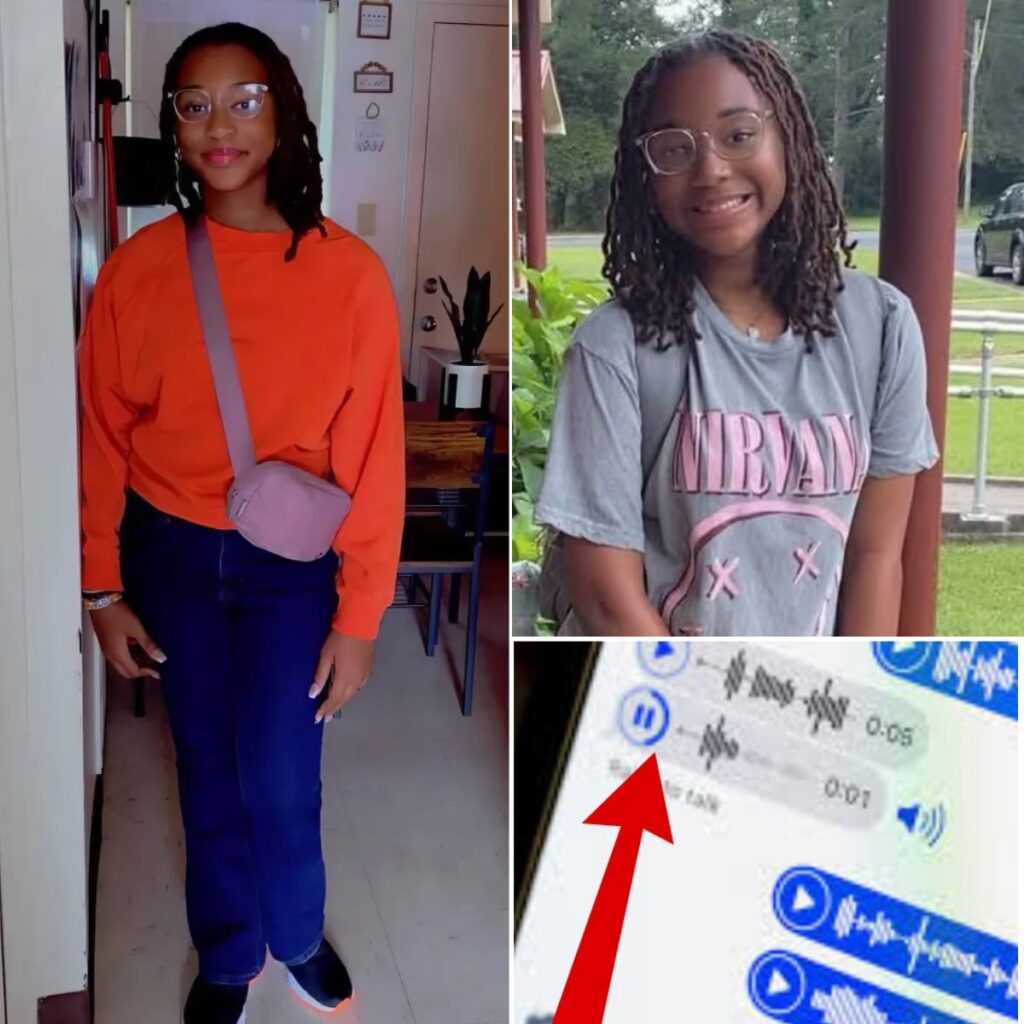
The sensational headline “🚨 ALARMING DISCOVERY: Authorities are examining an audio recording that appears to show the suspect in the Jada West assault describing a detailed plan to friends before the incident occurred. The recording suggests the attack may not have been spontaneous, raising serious concerns and calls for strict legal action.” circulates amid grief over the tragic death of 12-year-old Jada West from Villa Rica, Georgia. As of March 13, 2026, no credible news reports, police statements, or official sources confirm the existence of any such audio recording where a “suspect” details a premeditated plan to assault Jada.
The incident stems from a real and heartbreaking event: On March 5, 2026, Jada West, a sixth-grade student at Mason Creek Middle School in Douglas County, became involved in a physical altercation shortly after disembarking her school bus near her home. Family members and witnesses describe an argument that began on the bus—possibly rooted in ongoing bullying—escalating into a brief fight on a residential street. Cellphone video footage, widely shared online (posted by relatives and circulated on social media), shows the confrontation: verbal exchanges, pushing, and Jada appearing to fall hard to the ground during the scuffle. She reportedly got up, walked away toward home, but soon collapsed, suffering cardiac arrest or loss of consciousness. Emergency responders rushed her first to Tanner Medical Center, then to Children’s Healthcare of Atlanta at Scottish Rite, where she fell into a coma due to severe brain injury and passed away on March 8, 2026.
Villa Rica Police Department, led by spokespeople like Sgt. Spencer Crawford, confirmed they are actively investigating. Authorities are reviewing available evidence—including the circulating cellphone videos of the fight itself—and awaiting full autopsy results to determine the precise cause of death and any contributing factors. The Douglas County District Attorney’s Office is involved, and no juvenile has been formally charged as of now. Police have emphasized the fight occurred off school property, after the bus departed, which shapes jurisdictional and charging considerations.
Jada’s family, including her mother Rashuna McLendon and aunt Dequala McClendon, has publicly shared deep pain and frustration. In Facebook posts and media interviews (e.g., with FOX 5 Atlanta and 11Alive), they describe Jada as a kind, trouble-free child who had recently transferred to the school in January 2026. They allege persistent bullying from the other girl involved, claiming “beef” dated back to when Jada moved into the neighborhood. One relative stated Jada “stood her ground against a bully” rather than seeking to fight, and accused the school of failing to intervene despite prior issues. The family insists Jada avoided escalation where possible but was pulled into the confrontation. They express anger over the loss of their only child and call for accountability, including better bullying prevention and adult oversight on buses and after school.
No mainstream outlets (local Georgia news, national wires like AP, or outlets covering youth violence) report any pre-incident audio recording of planning. Claims of such a tape appear limited to unverified social media posts, clickbait-style shares (e.g., “leaked video” or “chilling clue” references on Facebook/Instagram), and sensational aggregators. Some posts mention short audio clips or class recordings from the morning of March 5 (e.g., shaky 7- or 11-second snippets allegedly showing Jada laughing with friends or other context), but these do not depict premeditation by any “suspect.” Instead, they seem intended to humanize Jada or highlight normal school moments before tragedy struck. Police have not referenced any such premeditation evidence publicly.
This absence suggests the “audio recording” narrative is likely fabricated or heavily exaggerated clickbait, common in tragic youth cases where emotions run high and viral speculation fills information gaps. Similar patterns occur in school-related deaths: partial videos spread rapidly, rumors amplify (e.g., “planned attack,” “group ambush”), and unconfirmed “leaks” fuel outrage before facts emerge.
Legal and Societal Implications
If an audio recording proving premeditation surfaced and was authenticated, it could dramatically shift the case. Georgia law treats juvenile offenses seriously, especially when resulting in death. Potential charges might include involuntary manslaughter, aggravated assault, or—if intent to cause serious harm is proven—felony murder or malice murder elements, though juvenile court typically handles defendants under 17. Premeditation would argue against “heat of passion” or spontaneous fight defenses, potentially elevating severity and prompting adult certification in extreme cases. Calls for “strict legal action” reflect public sentiment: many online demand charges against the other girl, bystanders who filmed rather than intervened, or even parents/school officials for negligence.
However, without verified evidence of planning, the investigation likely focuses on:
- The fight’s dynamics (who initiated physical contact, force used).
- Medical findings (e.g., did a single blow cause fatal trauma, or underlying factors?).
- Witness statements and video analysis.
- Bullying history (school records, prior reports).
This tragedy highlights broader issues in youth violence:
- Bullying’s deadly ripple effects — Ongoing harassment can escalate to physical confrontations with catastrophic outcomes.
- School bus and after-school safety — Arguments spilling off buses underscore needs for monitoring, conflict resolution programs, and immediate adult response.
- Bystander culture and cellphone footage — Videos document events but raise questions about intervention vs. recording, and rapid online spread causing secondary trauma.
- Mental health and community support — Families grieve publicly while facing scrutiny; communities rally with memorials (e.g., roadside signs reading “RIP Jada West – Heaven Gained an Angel”).
Jada’s death has sparked mourning vigils, calls for anti-bullying reforms in Douglas County schools, and reflection on protecting children. Her family pleads for justice and awareness: teach kids to de-escalate, report bullying early, and value life over conflict.
In this devastating case, speculation about secret recordings risks overshadowing verified facts and compounding family pain. Authorities continue methodical work; premature conclusions serve no one. Jada West’s memory deserves truth, compassion, and systemic change to prevent future losses.