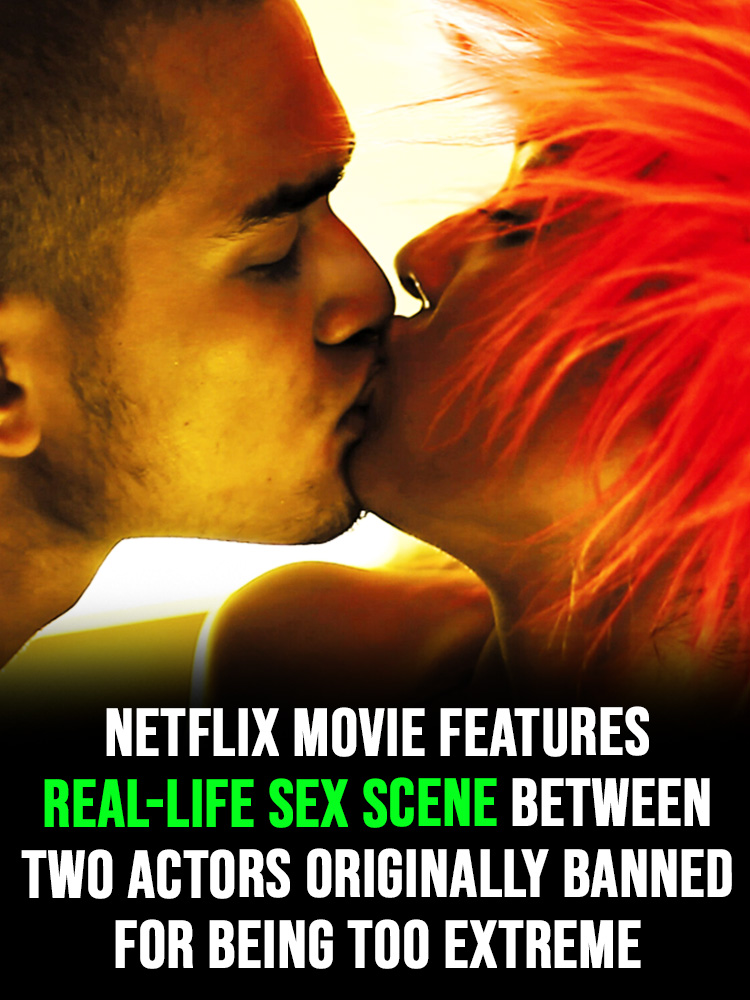
Netflix’s vast library is generally known for its carefully curated balance of thrillers, rom-coms, and prestigious dramas. However, every so often, the streaming giant acquires a title that tests the limits of digital distribution and cultural tolerance. The latest film to stir this pot is Gandu, an underground Bengali cinematic explosion that, after being effectively blocked in its home country for years, is now available to a global audience. While the film’s raw energy is undeniable, a singular, graphic scene has reignited a fierce decade-old debate regarding the boundaries of art and pornography.
The controversy centers on a sequence that reportedly depicts unsimulated, real-world intimacy between the lead actors—a rarity in any mainstream film, let alone one originating from the traditionally conservative cinematic landscape of South Asia. It was this unflinching commitment to realism that turned the film into a lightning rod for censorship upon its initial release.
A Descent into the Underworld
The narrative follows a disaffected, nihilistic young rapper—the eponymous “Gandu”—who navigates a life of poverty and simmering rage. To survive, he steals from his mother’s lover, eventually spiraling into a psychedelic blur of narcotics, jagged musical performances, and reckless urban exploration.
Yet, for most viewers, the plot is secondary to the visual audacity of the film’s most famous sequence. The scene involves stars Anubrata Basu and Rii Sen, who appear to engage in genuine sexual acts on camera. Director Qaushiq Mukherjee—more commonly known as “Q”—has long defended the artistic choice. He explained that the actors were close personal friends who shared a deep mutual trust, allowing them to remain fully committed to the moment’s raw honesty during production.
From Banned Status to the Global Stream
The journey of Gandu has been anything but smooth. When it first premiered in 2010, it provoked visceral reactions; reports from festival circuits cited viewers walking out in protest, shocked by the film’s abrasive style. In India, the film faced a brick wall of censorship, with authorities deeming it far too explicit for theatrical exhibition.
It took nearly two years for the film to garner significant international traction. While the general public was often scandalized, a segment of the critical community found the film’s subversion of traditional tropes to be refreshing. In 2011, Variety praised the film as “a high-energy example of a rarefied genre,” noting its ability to seize the audience’s attention with an uncompromising grip.
The Reawakened Debate
Now that Gandu has found a permanent home on a platform as accessible as Netflix, the conversation has moved from the shadows of indie film festivals to the mainstream zeitgeist. To its supporters, the film is a bold, boundary-pushing masterpiece of “transgressive cinema.” To its detractors, it remains an exercise in gratuity that oversteps the moral and aesthetic limits of the screen.
One thing remains certain: Gandu is a cinematic Rorschach test. It is a film designed to provoke, and as it reaches a new generation of viewers, it serves as a stark reminder that what is considered “art” is often in the eye of the beholder.
With the rise of streaming, the line between “art-house” experimentation and mainstream accessibility is becoming increasingly blurred. Do you believe platforms like Netflix have a responsibility to host even the most extreme forms of cinema, or should there be a tighter limit on unsimulated content? Share your perspective in the comments.