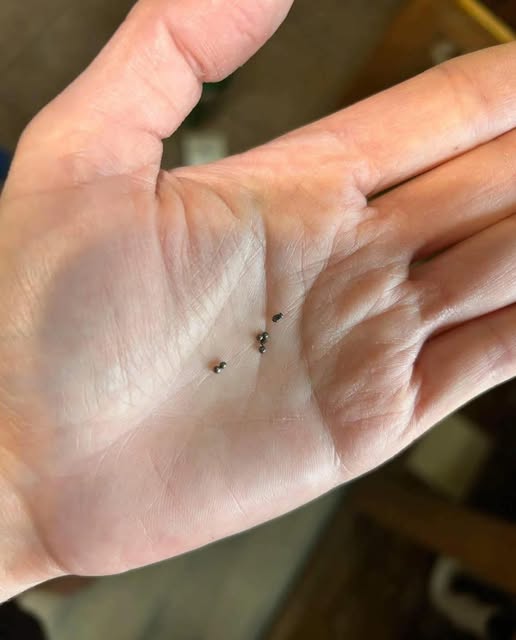
If you’ve ever been cleaning under your kitchen sink and stumbled upon tiny metal balls scattered around, you’re not alone. At first glance, these small, often imperfect spheres might seem like an odd, almost mysterious occurrence. Some of them may even have a rusty or worn appearance, leading you to wonder, Where are these tiny metal balls coming from, and what do they mean?
As strange as it may seem, there is a perfectly logical explanation for this perplexing problem. And the solution may be closer to home than you think.
The Mystery of Faucet Weights
If you have a pull-out or pull-down kitchen faucet, it’s very likely that the source of the metal balls can be traced back to a common part of the faucet mechanism — the faucet weight. These weights, often filled with small metal balls, are designed to help retract the hose smoothly after use. Essentially, they counterbalance the weight of the hose, ensuring it returns to its original position once you’re done using it.
Over time, however, these weights can wear out. They may crack, break, or even split open due to extended use or old age. When that happens, the little metal balls that are supposed to be contained within the weight are released and start to appear under your sink. These small metallic spheres may seem like an anomaly at first, but they’re simply the result of the faucet weight failing.
It’s not an uncommon problem and happens with a variety of faucets that have pull-out or pull-down features. If you’ve noticed these metal balls under your kitchen sink and you’re unsure where they came from, there’s a high chance that your faucet weight is the culprit. But how can you be sure?
How to Check if Your Faucet Is the Problem
If you’re wondering whether your faucet is responsible for the tiny metal balls under your sink, here’s a simple guide to help you check.
- Inspect the Hose:
Start by opening the cabinet beneath your sink and examining the hose that connects to your faucet. If you have a pull-out or pull-down faucet, there should be a weight on the hose, either wrapped in plastic or enclosed in a metal casing. - Look for Signs of Damage:
Carefully inspect the weight for any visible cracks, leaks, or signs of wear. Over time, these weights can become brittle or cracked, especially if the hose has been pulled too much or the faucet mechanism is getting older. If you notice any damage, the little metal balls are likely coming from here. - Confirm the Problem:
If the weight is cracked or damaged, you’ve likely found the source of your mystery metal balls. These balls are likely spilling out from the broken weight and accumulating under your sink.
What to Do If the Faucet Weight Is the Culprit
Don’t panic if you’ve found a damaged faucet weight. The good news is that replacing the weight is a simple and inexpensive fix. Faucet weights are available at most hardware stores, and you can also find them online. Here’s how to replace the weight:
- Buy a Replacement Weight:
Head to your local hardware store or search online for a replacement faucet weight. Be sure to check the size and type that corresponds to your faucet. - Remove the Old Weight:
To replace the old weight, you’ll first need to slide it off the hose. Depending on the type of faucet and weight, this may involve unscrewing a bolt or simply sliding the weight off. Take care to avoid damaging the hose during this process. - Install the New Weight:
Once you have the new weight, simply slide it onto the hose, ensuring that it’s positioned correctly to counterbalance the hose and allow it to retract smoothly. If your faucet has a screw-on bolt or cap, be sure to fasten it securely. - Test the Hose:
After the new weight is installed, test your faucet to make sure the hose retracts smoothly. If it works properly, you’ve successfully resolved the problem!
Could It Be Something Else?
If the faucet weight doesn’t seem to be the issue, don’t worry — there are other potential culprits. While it’s rare, the metal balls under your sink could be coming from other appliances or parts of your plumbing. Here are some other possibilities to consider:
- Dishwasher Parts:
If you have a dishwasher connected to the same plumbing, it’s worth checking to see if any parts of the dishwasher have broken or come loose. Dishwashers have various components inside, including pumps, hoses, and seals, all of which can deteriorate over time. A broken part inside the dishwasher could be releasing small metal balls or debris under the sink.To check, open the dishwasher and examine any visible parts. If you notice any broken or loose components, it might be the source of the metallic debris. Make sure to inspect the dishwasher’s hose, pump, and any other moving parts for signs of wear or damage. - Garbage Disposal Issues:
Another potential source of the metal balls could be your garbage disposal. While it’s unlikely for the disposal itself to create metal debris, some internal components of the garbage disposal can wear out or come loose over time. If a piece of the disposal’s internal mechanism has detached, it might be causing small metal parts to fall into the sink and accumulate under the cabinet.If you suspect the garbage disposal is the issue, turn off the power to the disposal and check the inside of the unit. Use a flashlight to look for any loose parts or signs of wear. If necessary, consult the user manual for troubleshooting or contact a professional to inspect and repair the disposal. - General Plumbing Wear:
In rare cases, small metal debris could come from other parts of your plumbing. Pipes, especially older ones, can wear down over time, and rust or small pieces of metal can break off and end up under your sink. If you suspect that this is the cause, it’s a good idea to inspect your plumbing and consider having it inspected by a professional plumber.
Preventing the Problem: Regular Maintenance and Inspection
Now that you know what might be causing the tiny metal balls to appear under your kitchen sink, it’s time to think about preventing the problem from recurring. Regular maintenance and inspections of your faucet and plumbing components can help catch any issues before they become bigger problems.
- Check Faucet Weights Regularly:
Make it a habit to check the faucet weights for signs of wear, cracks, or leaks every few months. By catching the problem early, you can prevent the metal balls from accumulating in the first place. Replacing a faulty weight is an easy and inexpensive task, and it can save you time and trouble down the line. - Inspect Dishwasher and Garbage Disposal:
Don’t forget to inspect your dishwasher and garbage disposal as well. These appliances are often connected to the plumbing under your sink, and if anything breaks or wears out, it can lead to metal debris appearing in your cabinet. Regular inspections of these appliances will help you spot any issues before they cause bigger problems. - Look for Leaks or Rust:
Keep an eye out for leaks or rust around your plumbing fixtures. If you notice any signs of corrosion or moisture, it may be an indication that a part of your plumbing needs repair or replacement. Addressing these issues early can help prevent future complications. - Avoid Over-Pulling the Faucet Hose:
While it’s important to check for wear and tear, it’s also a good idea to avoid over-pulling the faucet hose. Excessive tugging can put undue stress on the weight and other components, causing them to break or wear out more quickly. Gently retract the hose and avoid pulling it too hard to prolong the life of your faucet.
The Bottom Line: A Simple Fix to a Minor Problem
Finding small metal balls under your kitchen sink can be a surprising and somewhat puzzling discovery. However, as we’ve explored, the cause is usually something simple: a damaged faucet weight. With a little inspection and a replacement weight, the problem is usually easily resolved.
While it might be unusual to find these metal balls under your sink, they are typically no cause for concern. As long as you catch the problem early and take care of any potential issues with your faucet or other appliances, you can prevent this from becoming a recurring issue.
In the grand scheme of things, this is just one of those minor kitchen mysteries that can be easily solved with a little knowledge and a quick fix. And who knows? Now that you’ve solved the mystery, you might even impress your friends and family with your newfound expertise on the inner workings of kitchen faucets!
So, the next time you spot those tiny metal balls under your kitchen sink, rest assured that it’s likely nothing more than a sign that your faucet weight needs replacing. With a little care and maintenance, your kitchen will stay running smoothly — no metal balls required!