

They’re not gay — they’re “gray.”
A rising number of people are now identifying as graysexual, a term that describes those who experience sexual attraction only rarely, inconsistently, or under very specific circumstances. The identity falls into what many call the “gray area” between asexuality — no sexual attraction — and allosexuality, or typical sexual attraction.
Online communities are fueling the visibility of this identity. On Reddit, the r/Greysexuality forum has attracted more than 8,000 members who openly share stories about navigating relationships and attraction while living somewhere in between sexual and asexual.
For many, discovering the term brought long-awaited clarity. One Reddit poster admitted they spent years thinking they were just a “late bloomer,” since their crushes were decades apart and often short-lived. Even in committed relationships, they rarely felt a spark of attraction.
Dan Beeson, a Londoner who identifies as graysexual, explained to Cosmopolitan UK that it goes far beyond just “not being in the mood.” “For me, it can mean going months with no desire at all — then suddenly one morning, it’s there again,” he explained. Realizing that others felt the same way, he said, was comforting.
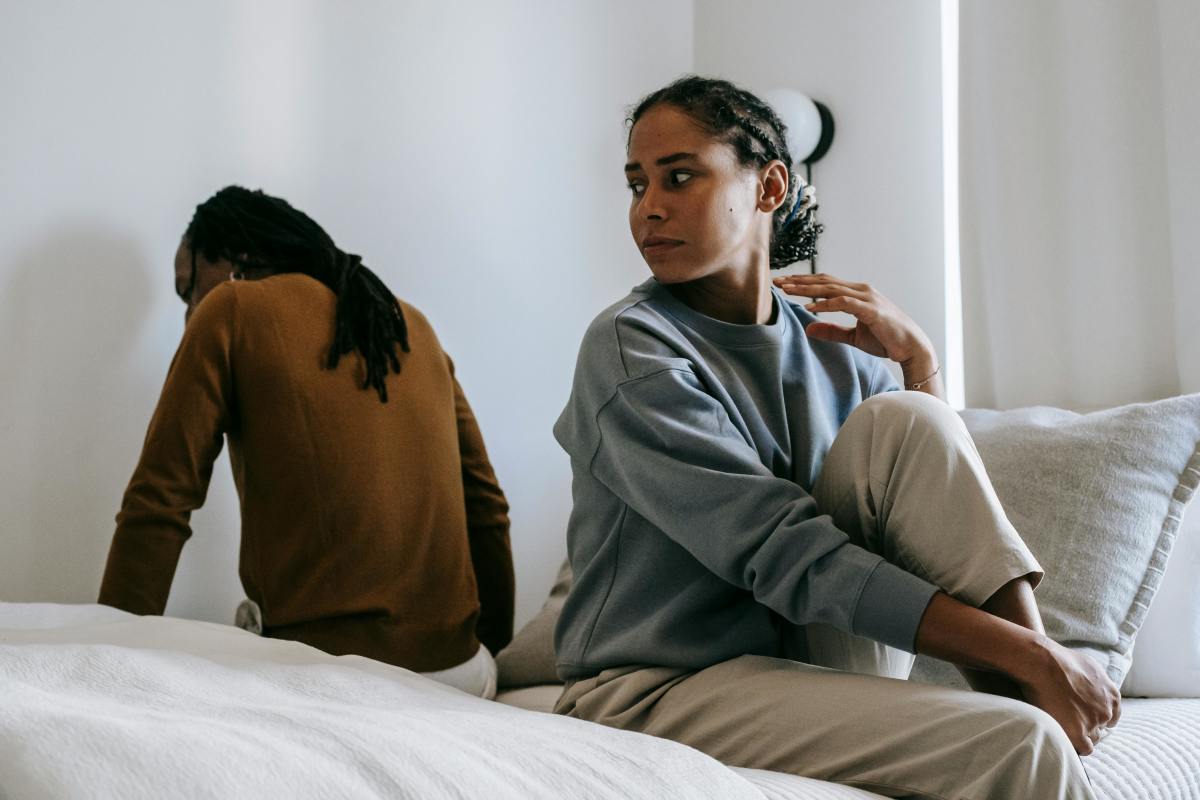
Other graysexual individuals share similar stories of disconnect. One person said they had only ever experienced “true” attraction once in their life. Another recalled being pressured in college to keep up with peers who seemed to experience constant desire. That mismatch left them feeling broken until they found a name — and community — for their experience.
For some, attraction appears sporadically. One Reddit user described feeling like they switched back and forth between asexual and sexual identities until learning about graysexuality gave them peace of mind.
The label is gaining attention, especially among Gen Z. On TikTok and YouTube, creators are discussing what graysexuality means and debunking misconceptions — like the idea that people who identify this way don’t want romance or are simply repressed. Podcaster Mark (@notdefining) explained it as “a bit of sexual attraction … just not very often.”

Mental health experts say that while the term might be new to many, it’s offering validation for people who always felt they didn’t fit neatly into either category. Psychotherapist Jane Czyzselska notes that society often struggles to accept sexual identities that don’t align with conventional norms. She encourages individuals to pay attention to what increases or decreases their sense of desire, and to trust their own boundaries.
The word “graysexual” first surfaced on the Asexual Visibility and Education Network in 2006. Since then, it’s become an important option for people who identify with neither extreme. Some graysexuals also relate to overlapping identities such as demisexual — experiencing attraction only after forming a deep bond — or pansexual.
One Reddit user put it simply, saying they had “spent years feeling lost and confused.” Finally having a word for it felt like freedom.”

Experts say the rise of graysexuality reflects broader cultural trends, including what researchers call a “sex recession.” Younger generations are reporting fewer sexual partners and less interest in sex compared to previous decades. But psychologists argue it’s more complicated than disinterest — pointing to factors like social media, shifting cultural expectations, and stress about the future.
Whether it’s cultural change or just more people speaking up, graysexuality is here to stay — giving those who never fit neatly into one box a place to belong.