

A California man’s family has launched a wrongful death lawsuit against Royal Caribbean International, alleging negligence in alcohol service and crew response contributed to his passing aboard one of the cruise line’s vessels last year. The case, filed in federal court, centers on a four-day voyage that took a tragic turn shortly after departure.
Michael Virgil, 35, from Riverside, California, boarded the Navigator of the Seas on December 13, 2024, alongside his fiancée, Connie Aguilar, their 7-year-old son, and other relatives. The itinerary promised a relaxing escape: a quick sail from Los Angeles to Ensenada, Mexico, filled with onboard entertainment, dining, and scenic views. Instead, what began as a celebratory family outing devolved into chaos, culminating in Virgil’s death later that same day. The Los Angeles County Medical Examiner’s Office later classified the cause as “significant hypoxia and impaired ventilation, respiratory failure, cardiovascular instability and ultimately cardiopulmonary arrest,” ruling it a homicide.
According to court documents obtained by media outlets, Virgil had opted for the cruise line’s Deluxe Beverage Package, marketed as an “all-in, top shelf drink package” offering unlimited access to liquor, beer, wine, cocktails, and more. Priced between $55 and $115 per person per day depending on demand and sailing specifics, the package is a popular upsell for many passengers seeking to maximize their vacation without tallying every pour. On the day in question, while Aguilar attended to their young son—who has autism and was growing restless after the cabin wasn’t ready upon boarding—Virgil remained at a lively bar area with live music. There, staff served him at least 33 alcoholic beverages in a span of hours, the suit claims.
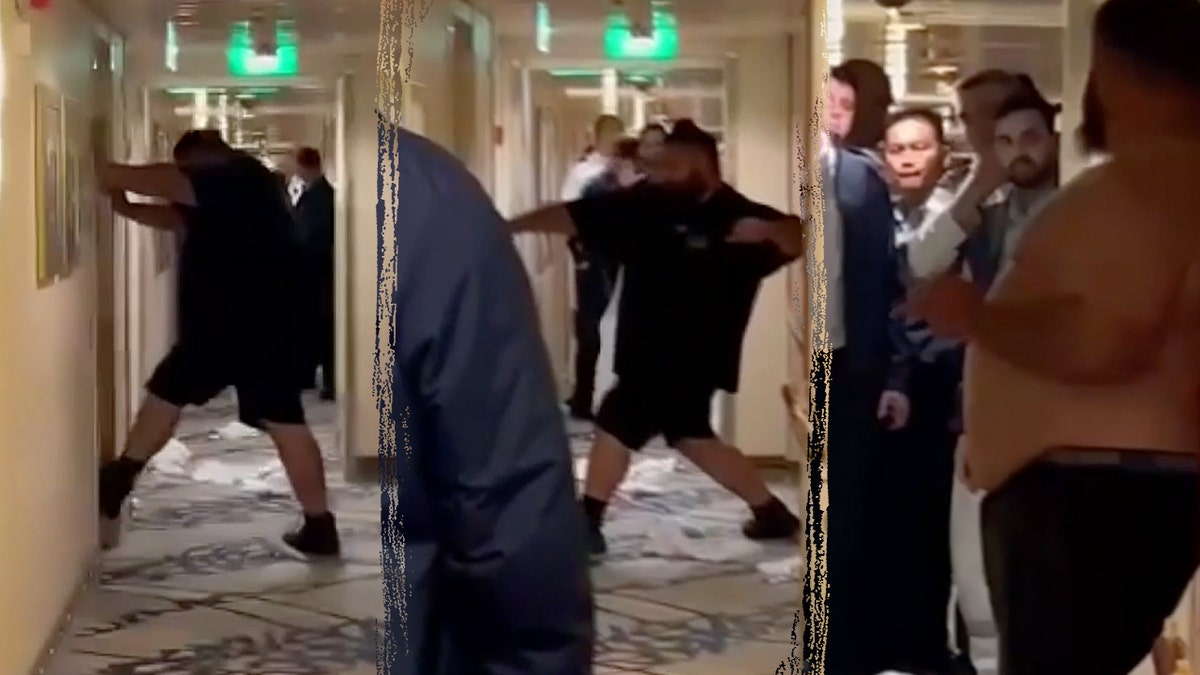
As the afternoon wore on, Virgil became disoriented and struggled to locate his accommodations. Frustration mounted, leading to an altercation where he reportedly clashed with fellow passengers and crew members. Security personnel intervened, detaining him in what the family describes as an overly aggressive manner. The lawsuit details that crew members physically restrained Virgil, applied pressure to his body, administered an injection of the sedative Haloperidol, and deployed multiple cans of pepper spray. These actions, the plaintiffs argue, exacerbated his condition and directly led to his medical emergency.
Virgil was pronounced deceased aboard the ship before it could reach port. His family, represented by Aguilar as the estate’s personal representative, is seeking unspecified damages for lost support, future earnings, medical costs, and emotional distress. “The excessive force and fatal actions taken by crew members including security and medical personnel” form the core of their negligence claims, per the filing. Federal investigators have not yet released further updates, but the homicide ruling has intensified scrutiny on cruise line protocols.
Royal Caribbean, one of the world’s largest cruise operators with a fleet serving millions annually, has refrained from detailed commentary due to the ongoing litigation. A spokesperson told TMZ, which first reported the suit, “We don’t comment on pending litigation.” The company emphasizes its commitment to guest safety, noting that all vessels operate under strict international maritime standards enforced by bodies like the U.S. Coast Guard and the International Maritime Organization.
This incident arrives amid growing conversations about alcohol consumption at sea. Cruise lines have long promoted beverage packages as a value-added perk, encouraging passengers to indulge responsibly while boosting onboard revenue—such packages accounted for a significant portion of ancillary income in recent earnings reports. Yet, critics, including maritime law experts, question whether “unlimited” truly means boundless, especially without robust monitoring. “These packages can create a perfect storm if not paired with vigilant oversight,” said attorney Randall Shouse, who specializes in cruise-related cases but is not involved here. “Servers are incentivized to keep the drinks flowing, but lines must balance commerce with care.”
To understand the broader context, consider the scale of the industry. Royal Caribbean Group, parent to brands like Celebrity Cruises and Silversea, reported over 7 million passengers in 2024 alone, rebounding strongly post-pandemic. The Navigator of the Seas, a 3,388-passenger behemoth launched in 1999 and refurbished in 2019, boasts features like rock-climbing walls, ice-skating rinks, and multiple bars—amenities designed to keep guests engaged around the clock. Alcohol sales, a staple since the golden age of ocean liners, generate billions industry-wide. According to a 2023 Cruise Lines International Association report, beverage revenue per passenger averaged $150 on longer sailings, with packages driving much of that figure.
But responsibility cuts both ways. Cruise operators mandate that staff cut off visibly impaired guests, per policies aligned with the Dram Shop laws in many U.S. jurisdictions—statutes holding servers liable for overserving. On international waters, however, enforcement relies on company guidelines and flag-state regulations (Navigator sails under the Bahamas flag). Royal Caribbean’s internal code requires bartenders to monitor intake and intervene if a passenger shows signs of distress, such as slurred speech or unsteady gait. The lawsuit alleges these safeguards failed spectacularly in Virgil’s case, with no records of refusals despite the volume consumed.
Virgil’s story resonates deeply with his loved ones, who remember him as a devoted father and partner. Photos shared via a GoFundMe campaign depict him beaming alongside his son at a park, capturing a man who cherished simple joys amid life’s challenges. The fundraiser, aimed at covering funeral and legal expenses, has garnered support from friends decrying the “preventable” loss. “Michael was the heart of our family,” one donor wrote. “He deserved better than this nightmare vacation.”
Similar episodes, though rare, underscore persistent vulnerabilities in the sector. In 2019, a Norwegian Cruise Line passenger from Texas passed away after heavy drinking and a fall; his estate settled with the line for an undisclosed sum. More recently, in 2023, a Carnival guest’s family pursued claims after alleged overserving led to a balcony mishap. Data from the Centers for Disease Control and Prevention’s Vessel Sanitation Program shows alcohol-related incidents comprise about 10% of medical calls on cruises, often involving dehydration or falls rather than fatalities. Yet, each case prompts calls for reform: mandatory breathalyzer protocols, enhanced crew training, or caps on package pours.
Maritime attorney John F. Thomas, who has represented families in dozens of cruise disputes, views Virgil’s suit as emblematic of a shifting legal landscape. “Post-2020, with ships fuller than ever, operators face heightened accountability,” Thomas explained. “Juries are less forgiving when profits seem to eclipse prudence.” He points to the Cruise Vessel Security and Safety Act of 2010, which bolstered reporting requirements but stopped short of alcohol-specific mandates. Amendments proposed in Congress last year aimed to close that gap, including limits on daily servings and third-party audits of bar logs—measures that could have altered Virgil’s trajectory.
From a passenger perspective, the allure of these packages is undeniable. Travel forums like Cruise Critic buzz with testimonials: “Saved us hundreds—worth every penny!” one user posted about Royal Caribbean’s offering. But cautionary tales abound. A 2024 TripAdvisor thread warned of “blackout risks” on short itineraries, where temptation peaks in confined spaces. Experts recommend hydration breaks, designated sober companions, and awareness of tolerance dips at altitude (ships sit low, but elevation changes en route can subtly affect some).
Royal Caribbean has responded to past criticisms by expanding wellness initiatives. The Vitality at Sea program, for instance, promotes moderated drinking alongside fitness classes and nutrition seminars. Onboard, medical bays staffed by licensed professionals handle thousands of consultations yearly, from seasickness to sprains. In Virgil’s instance, the ship’s clinic was involved post-detention, but the suit contends interventions were reactive rather than preventive.
As the lawsuit progresses—likely toward discovery, where bar tabs, security footage, and witness depositions will surface—observers anticipate ripple effects. Will Royal Caribbean tweak its package terms? Introduce pour trackers via wristband tech, akin to Disney’s MagicBands? Or fortify crew de-escalation training, drawing from airline models? The company, valued at over $30 billion on the New York Stock Exchange, has weathered scandals before, from 2013’s propulsion failure on another vessel to environmental fines. Yet, its stock dipped just 0.5% on news of the filing, signaling investor confidence in a swift resolution.
For families like Virgil’s, however, closure feels distant. Ensenada’s sun-drenched shores, meant for margarita toasts and beachside strolls, now evoke irreversible sorrow. The port, a staple for West Coast departures, sees over 200 cruise calls annually, funneling tourists into its vibrant markets and cliffside resorts. Virgil’s group had planned excursions there—snorkeling, perhaps, or a family luau—but fate intervened at sea.
Broader implications extend to policy. The U.S. Travel Association lobbies for cruise incentives, citing 1.2 million jobs supported nationwide. Detractors, including consumer watchdogs like Public Citizen, argue for federal oversight akin to aviation’s FAA. “Cruises aren’t just vacations; they’re floating cities with real risks,” said Robert Weissman, the group’s president. A 2025 bill in the House Transportation Committee seeks to classify alcohol incidents as reportable events, potentially mandating public dashboards for transparency.
In the interim, Virgil’s advocates urge vigilance. “Know your limits, and trust your gut if something feels off,” Aguilar shared in a statement attached to the suit. Her words echo across support networks for bereaved cruise families, a niche community forged in online forums and legal aid groups.
As winter 2025 bookings surge—Royal Caribbean projecting record revenues—the industry grapples with its dual identity: purveyor of escapism, guardian of lives. Virgil’s case, raw and unresolved, serves as a stark reminder. What safeguards suffice when paradise beckons with open bars? For now, the courts will decide, but the questions linger like fog over the Pacific.