
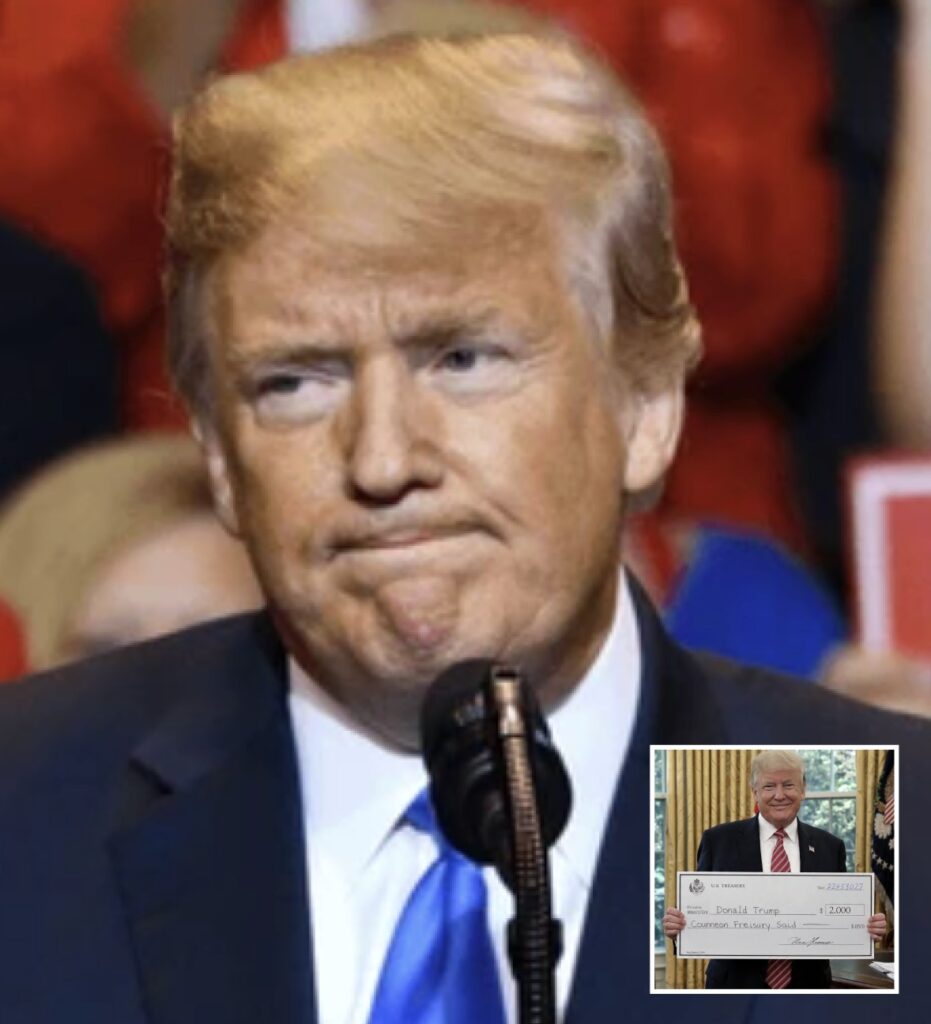
President Donald Trump delivered an unexpected moment of candor when pressed this week about one of his most talked-about economic pledges: sending Americans dividend checks funded by tariff revenue.
The issue resurfaced during an Oval Office interview with The New York Times, where Trump was asked to clarify the status of his promise to distribute $2,000 payments to eligible Americans. The proposal, which has energized supporters and drawn skepticism from critics, was first outlined by Trump during his aggressive push to defend tariffs as a cornerstone of his economic strategy.
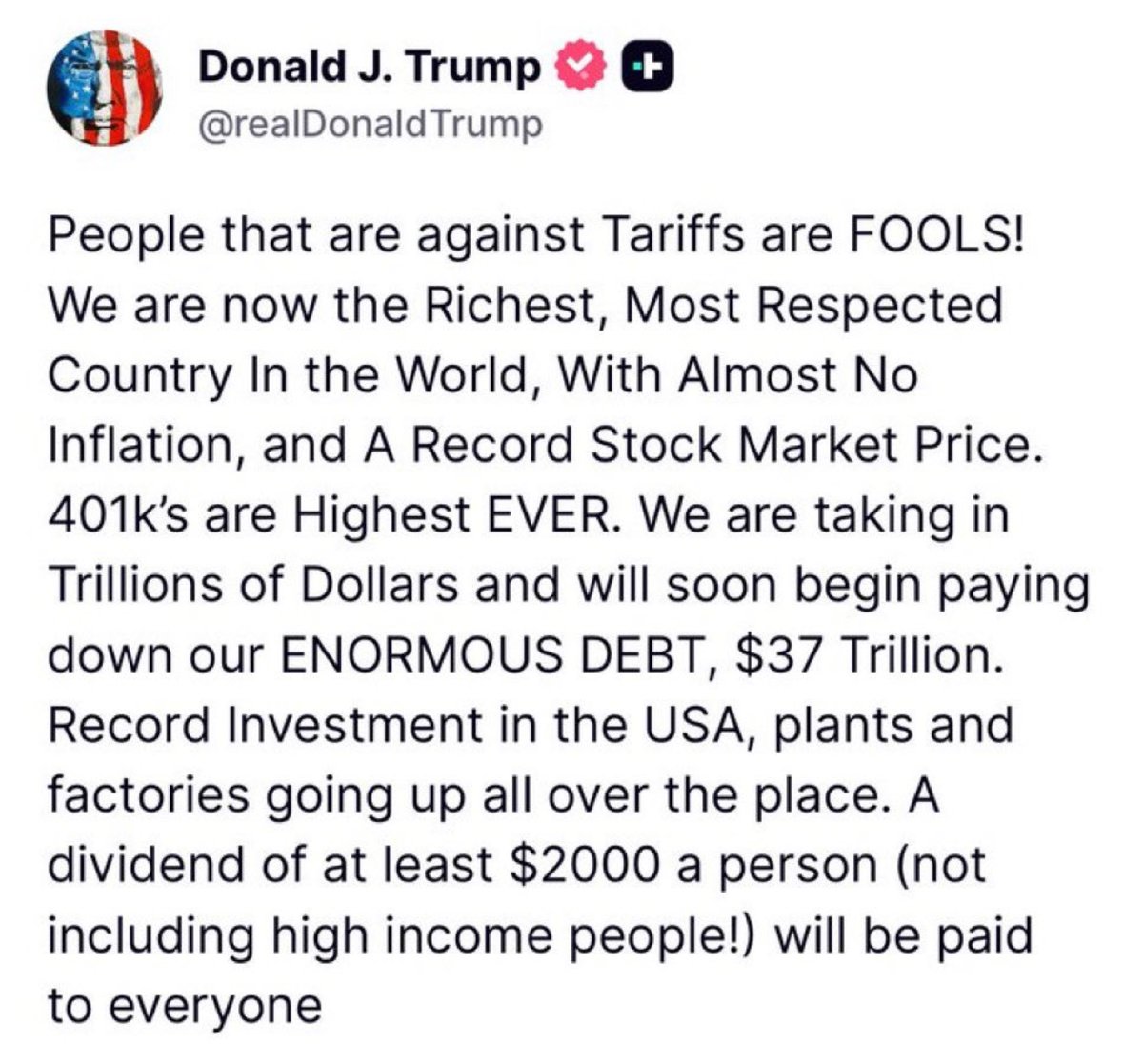
In a fiery Truth Social post last year, Trump argued that tariffs had transformed the U.S. economy, boasting soaring retirement accounts, massive foreign investment and what he described as unprecedented revenue flowing into federal coffers. He claimed those funds would help reduce the national debt and ultimately be returned to Americans in the form of direct payments — excluding high-income earners.
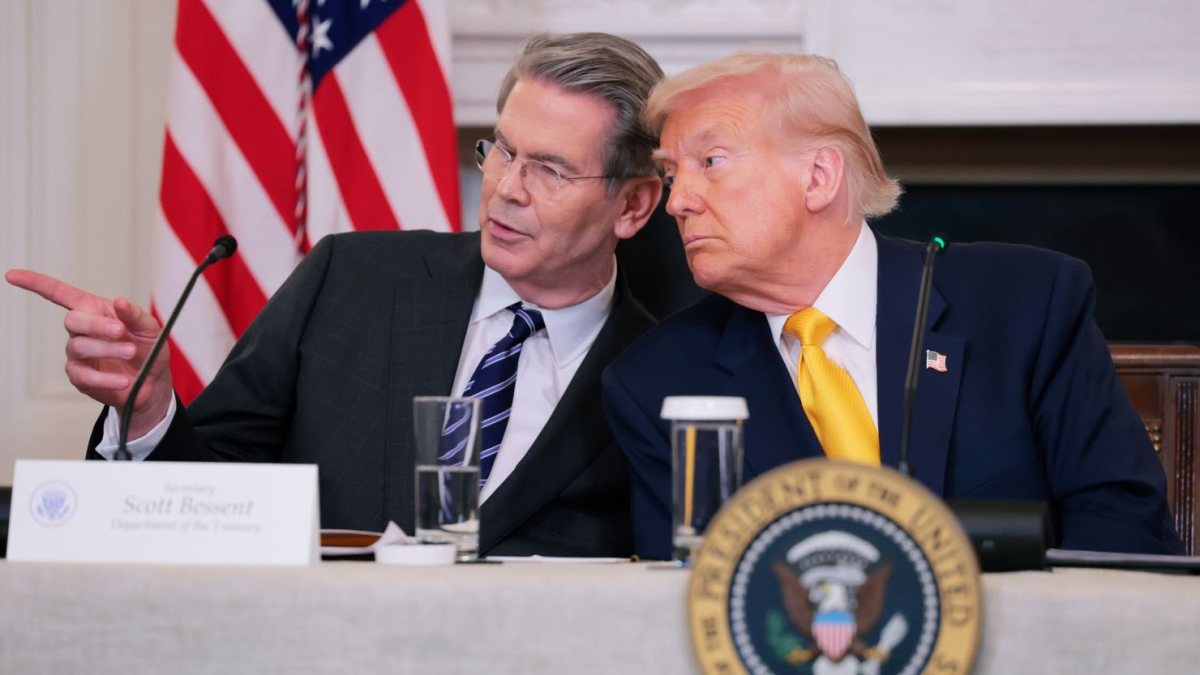
Administration officials later added detail to the plan. Treasury Secretary Scott Bessent said the tariff-driven revenue stream could generate between $100 billion and $150 billion in refunds, potentially translating to checks ranging from $1,000 to $2,000 per household. Bessent indicated the earliest timeline for distribution would likely fall in the first quarter of 2026.
But when Trump was asked directly when Americans could expect those checks, the president appeared momentarily surprised by the question. He asked aloud whether he had formally committed to the plan, before pivoting to reference other financial initiatives tied to his administration, including funding directed toward the military.
Moments later, Trump reassured viewers that the money was real and the revenue substantial. He suggested Americans could see payments sooner than some officials have projected, pointing to the end of the year as a possible target window. According to Trump, tariff collections have exceeded expectations, giving the administration flexibility to act.
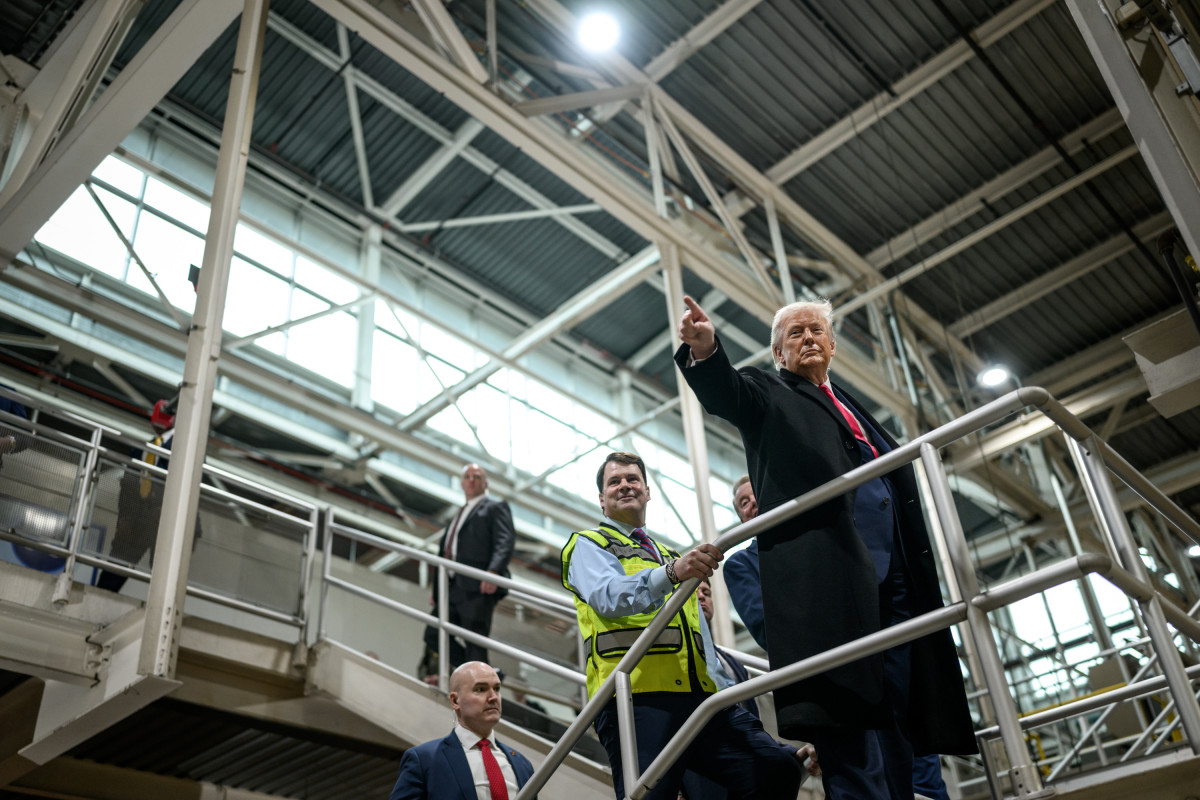
One lingering question is whether Congress would need to sign off on the payments — a potential obstacle in Washington’s often gridlocked political climate. Trump dismissed the concern, saying the administration has access to funding from multiple streams and does not anticipate resistance.
The president has previously offered varying timelines for the dividend checks. During a White House event late last year tied to preparations for the upcoming FIFA World Cup in the United States, Trump indicated the payments would be issued sometime before or around the middle of next year, though he left room for adjustments.
Supporters say the proposal underscores Trump’s argument that tariffs are not a tax burden on Americans, but a tool to extract wealth from foreign competitors and return it to U.S. citizens. Critics, meanwhile, have questioned both the math and the logistics behind the plan.
Still, Trump remains confident. He continues to frame the dividend checks as proof that his economic policies put American workers and families first — and as a tangible benefit of his confrontational approach to global trade.
Whether the payments arrive sooner or later, the renewed focus on the proposal is certain to keep tariffs, trade and Trump’s economic agenda at the center of the national conversation heading into the months ahead.