
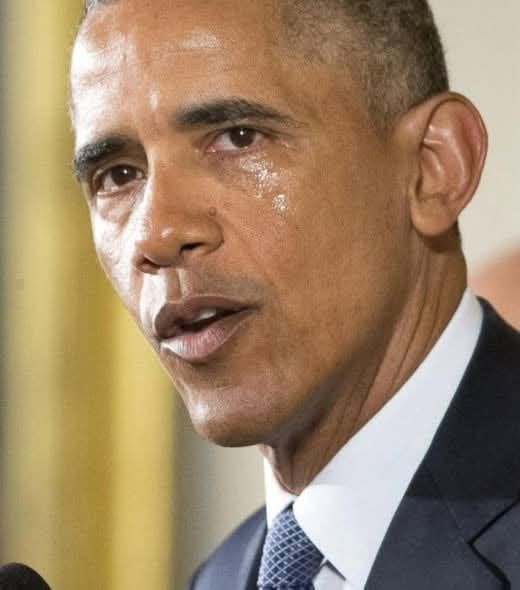
Trump’s Oval Office accusation against Barack Obama was less a legal claim than a political weapon. Calling a former president “guilty” of “treason” implied the gravest possible crime, yet no new evidence was offered, and years of investigations had already failed to substantiate such charges. Intelligence reports and bipartisan inquiries agreed on a narrower, but still alarming, reality: Russia tried to influence the 2016 election, but there is no proof that Obama orchestrated any criminal manipulation of the vote, nor that foreign interference changed the outcome.
The episode revealed something deeper than a single claim. It exposed how potent—and perilous—unchecked rhetoric can be when amplified by the presidency and modern media. Words once reserved for wartime enemies now circulate as partisan tools, eroding trust in institutions and blurring the line between allegation and fact. In that fog, the burden quietly shifts back to the public: to insist on evidence, to remember legal standards, and to defend a shared reality sturdy enough to hold a democracy together.