
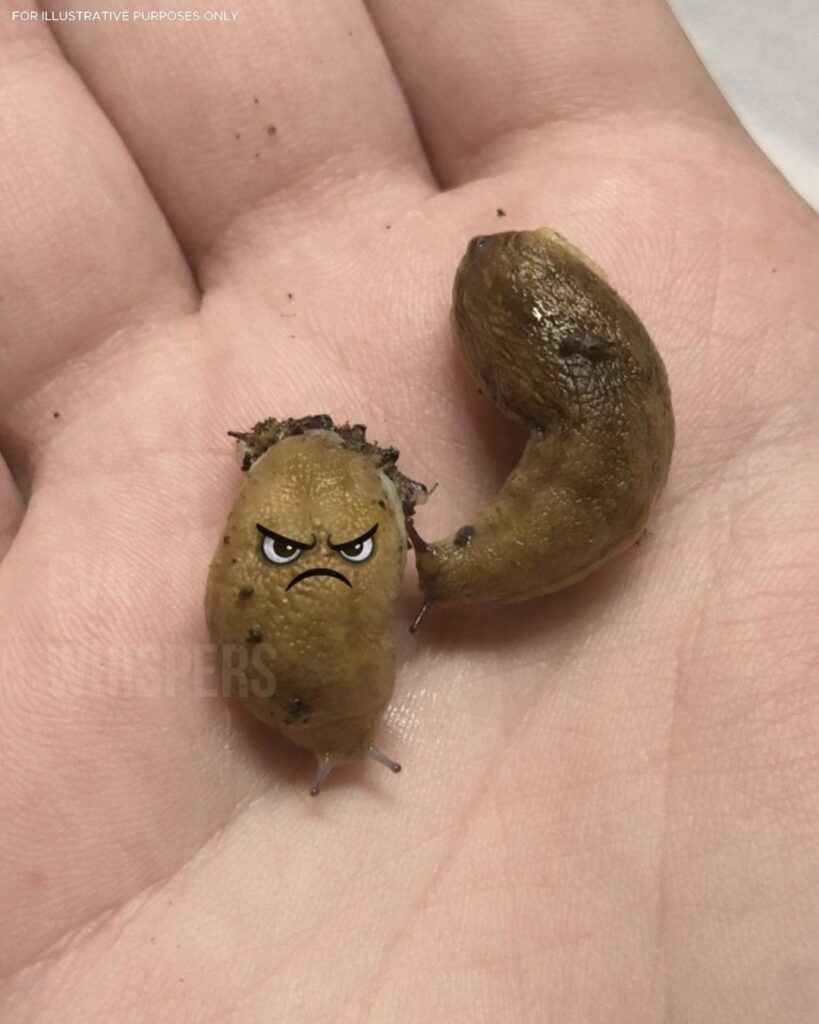
Seeing a slug inside your home can feel disturbing. They appear silently, usually at night, leaving behind shiny slime trails that seem to come out of nowhere. While slugs are not dangerous to humans, their presence indoors is a message, not a coincidence.

Slugs do not wander into homes randomly. They enter because conditions inside your house are favorable to them. Understanding why they are coming in can help you prevent bigger problems like moisture damage, mold growth, and structural decay.
Let’s break this down clearly and thoroughly.
1. Moisture: The Hidden Invitation Most Homes Miss
Slugs breathe through their skin, which must stay moist to survive. This makes humidity and dampness their number-one attraction.
Many homeowners assume that if floors look dry, moisture isn’t a problem. Unfortunately, moisture often hides where you don’t look.
Common hidden moisture sources:
- Slow leaks under kitchen or bathroom sinks
- Washing machine hoses dripping behind walls
- Poorly sealed shower tiles
- Condensation forming inside walls during cold nights
- Damp crawl spaces that never fully dry
Even slight dampness can attract slugs. And if slugs are present, mold spores may not be far behind.
What to do immediately:
- Run a dehumidifier in basements and bathrooms
- Fix leaks the moment they’re discovered
- Open windows daily when weather allows
- Use exhaust fans when showering or cooking
If moisture remains unchecked, slugs are only the first sign of trouble.

2. How Slugs Actually Get Inside (It’s Easier Than You Think)
Many people imagine pests entering through obvious holes. Slugs don’t need that.
Because they have soft, flexible bodies, slugs can squeeze through openings thinner than a coin.
Entry points often overlooked:
- The tiny gap under exterior doors
- Cracks in old caulking around windows
- Gaps where pipes enter the house
- Hairline foundation cracks
- Dryer vents or basement window frames
Once a slug finds a safe path inside, it will return again and again—especially at night.
What to do:
- Replace worn door sweeps
- Reseal windows and doors with waterproof caulk
- Check foundation walls annually
- Install copper strips near common entry points (slugs avoid copper)

3. Weather Forces That Drive Slugs Indoors
Slugs normally live outside. They come inside only when outdoor conditions become uncomfortable.
Slugs invade homes most often during:
- Prolonged heavy rain
- Flooding
- Sudden temperature drops
- Extremely humid summers
If your yard holds water or stays soggy, slugs migrate to higher, drier shelter—which may be your house.
Outdoor risk factors:
- Mulch pressed against the foundation
- Overwatered gardens near walls
- Ivy or bushes touching siding
- Clogged gutters causing water runoff
What to do outside:
- Redirect downspouts away from the foundation
- Keep mulch at least 12 inches from walls
- Trim plants regularly
- Improve soil drainage
Your home should never be the driest place nearby.

4. Food Traces That Attract Slugs Indoors
Slugs don’t need a feast—tiny organic traces are enough.
They are attracted to:
- Crumbs under appliances
- Pet food bowls left overnight
- Trash bins without tight lids
- Compost near doors
- Fallen leaves by entryways
Bathrooms and kitchens are especially appealing because they combine food smells + moisture.
What to do:
- Sweep floors before bed
- Remove pet food at night
- Use sealed trash cans
- Clean behind appliances monthly
Cleanliness doesn’t mean perfection—it means consistency.

5. Slugs as a Natural Warning System
Slugs are not aggressive. They don’t sting, bite, or spread disease. Instead, they act as environmental indicators.
If slugs appear indoors, it often means:
- Air circulation is poor
- Moisture is lingering too long
- Maintenance has been delayed
Think of slugs as your home quietly saying: “Something needs attention.”
How to Remove Slugs Without Harming Them
Killing slugs indoors is unnecessary and often messy.
Safer, cleaner methods:
- Pick them up gently using gloves or paper
- Place them outside away from the house
- Dry the area thoroughly afterward
- Sprinkle salt outside only along entry points
- Use copper tape near doors and windows
Avoid chemical sprays—they don’t fix the root problem.

When Slugs Become a Serious Concern
- One slug once in a while: usually harmless
- Multiple slugs appearing weekly: warning sign
- Slime trails every morning: moisture problem likely growing
Ignoring repeated slug visits can allow mold growth, wood rot, and unhealthy air quality to develop quietly.
Final Thought
Slugs don’t enter homes by accident. If they keep appearing, your house is signaling excess moisture, hidden gaps, or environmental imbalance.
Fixing the cause doesn’t just remove the slugs—it protects your home, your air, and your long-term health.
Have you ever found slugs inside your home?
What did you discover after checking for moisture or leaks? Your experience might help someone else catch a problem early.
Disclaimer: This article was created with AI assistance and edited by a human for accuracy and clarity.