
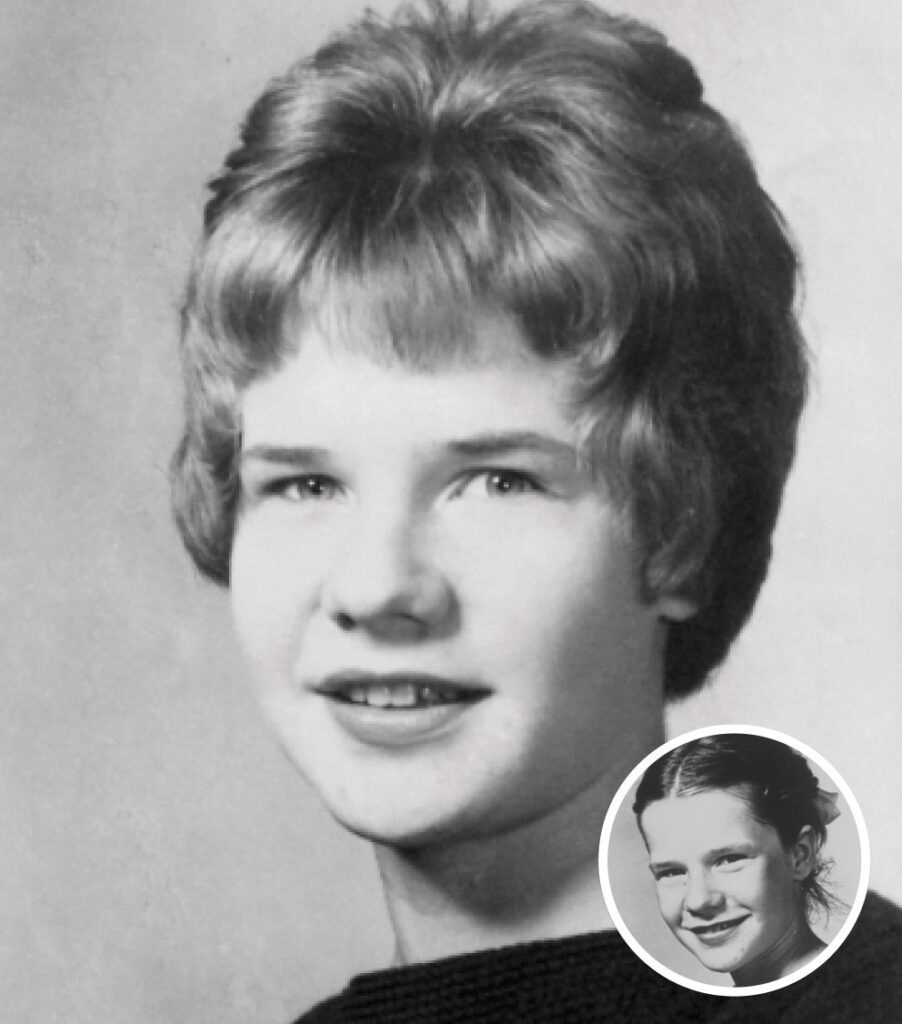
Before Janis Joplin ever became a cultural icon, she was a misunderstood girl growing up in a small Texas town where standing out came at a cost. To many around her, she didn’t fit the mold. But to those who truly saw her, she was something rare — raw, gifted and unforgettable.
Born on January 19, 1943, in Port Arthur, Texas, Joplin was raised by hardworking, deeply religious parents who valued discipline and faith. Her mother worked at a local college, her father was an engineer, and the family lived a quiet, traditional life. Yet even early on, it was clear Janis wasn’t destined to blend in. She demanded attention, asked questions others didn’t, and gravitated toward ideas and people well outside her town’s norms.
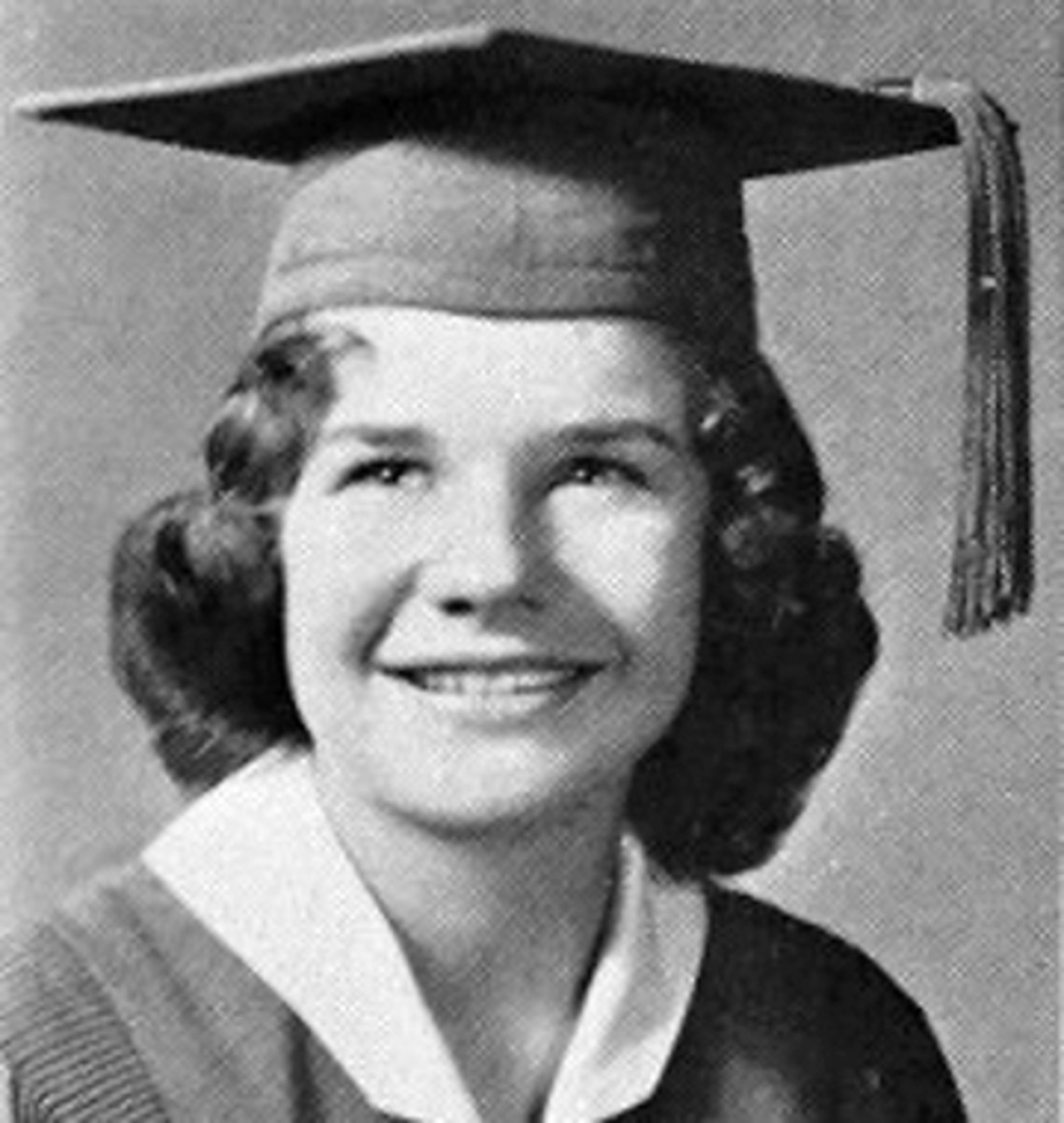
Growing up in a segregated South during the tense years surrounding school integration, Joplin immersed herself in blues, jazz and folk music. She read beat poetry, challenged conventions and adopted a bohemian lifestyle long before it was fashionable. Friends later recalled her fearless individuality — from skipping bras to experimenting with her appearance and cultivating a laugh no one could forget.
High school, however, was brutal. Joplin was mocked relentlessly for her looks, especially after struggling with severe acne that left lasting scars. Classmates were cruel, and the judgment cut deep. Even years later, the sting lingered. At the University of Texas at Austin, she remained an outsider — barefoot in class, autoharp always nearby, more interested in music and ideas than fitting in. One humiliating campus incident, where she was mockingly nominated in a cruel contest, left a lasting mark.
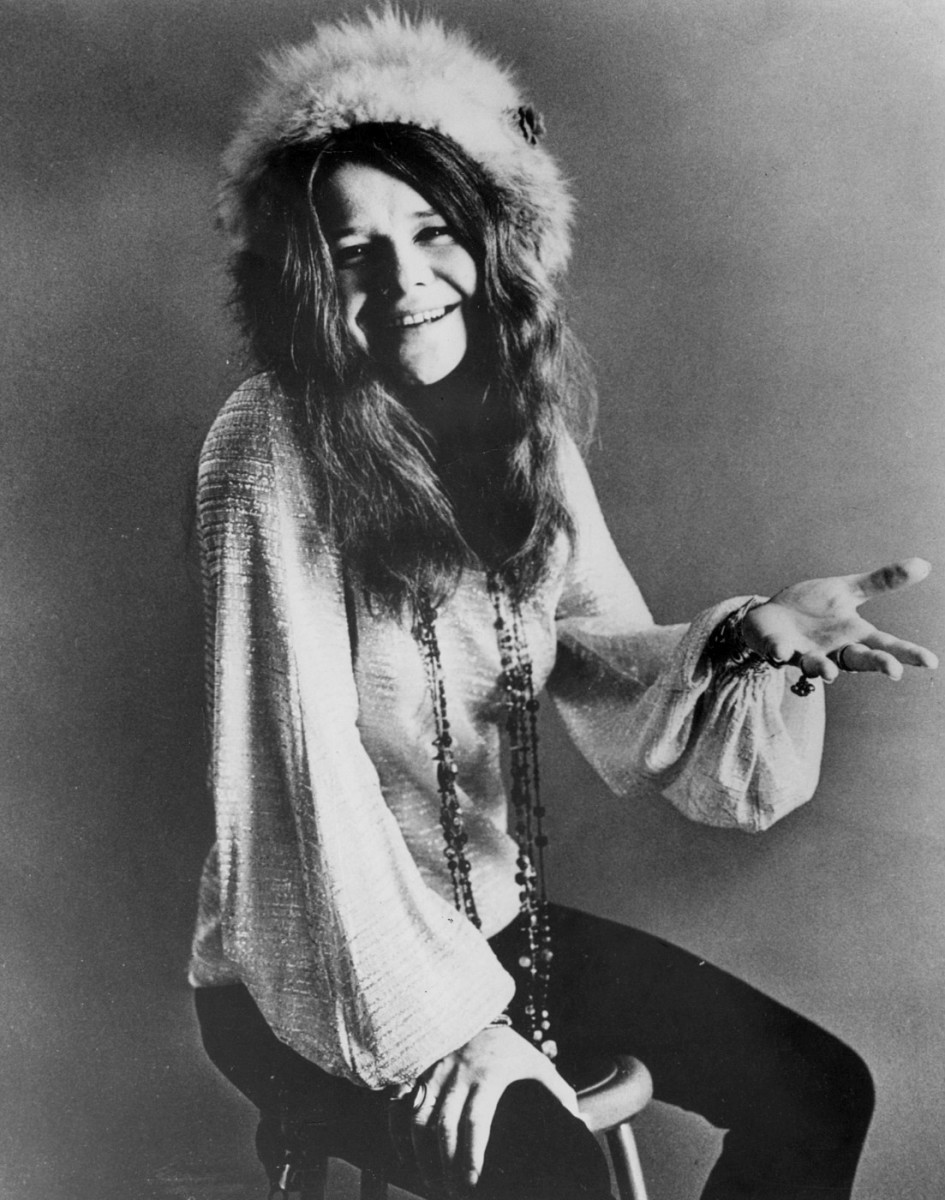
Still, her voice set her apart. In 1963, she left college behind and headed to San Francisco, chasing a dream few believed in. She scraped by, sang in coffeehouses and struggled with substance abuse as the pressures mounted. The folk scene embraced her, but commercial success remained elusive — until she joined Big Brother and the Holding Company.
Everything changed in 1966 at the Monterey Pop Festival. Booked for a modest slot, Joplin stunned the crowd with a performance so powerful it instantly rewrote her future. Record executives took notice, and soon she was signed to a major label. Almost overnight, the woman once dismissed for her looks became a symbol of raw sexuality, rebellion and freedom.
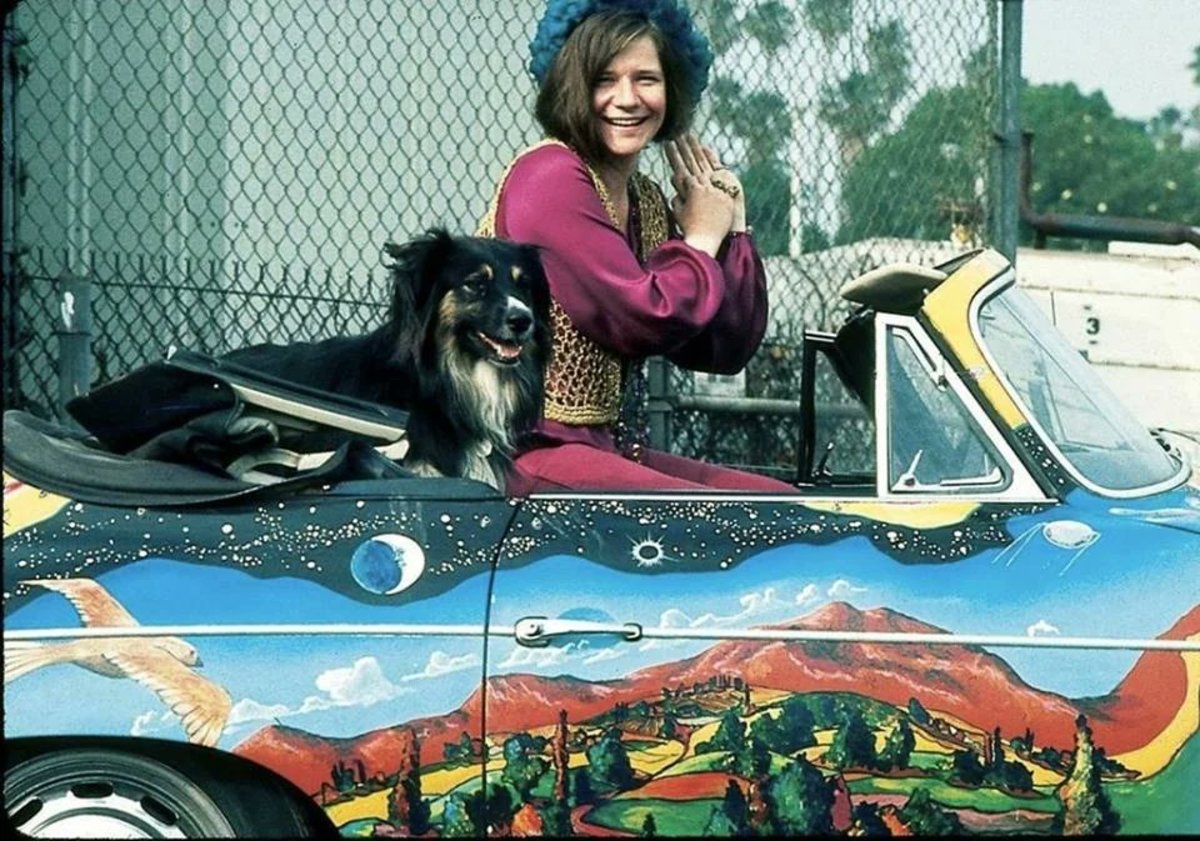
Joplin went on to become rock music’s first true female superstar, landing magazine covers and scoring major hits, including her posthumous No. 1 song, “Me and Bobby McGee.” Her influence stretched beyond music — she embodied authenticity in an era desperate for it.
Behind the fame, she carried deep emotional scars and battled addiction. Despite her success, she constantly sought approval, especially from her parents back home in Texas. Letters revealed a daughter still trying to justify her choices.
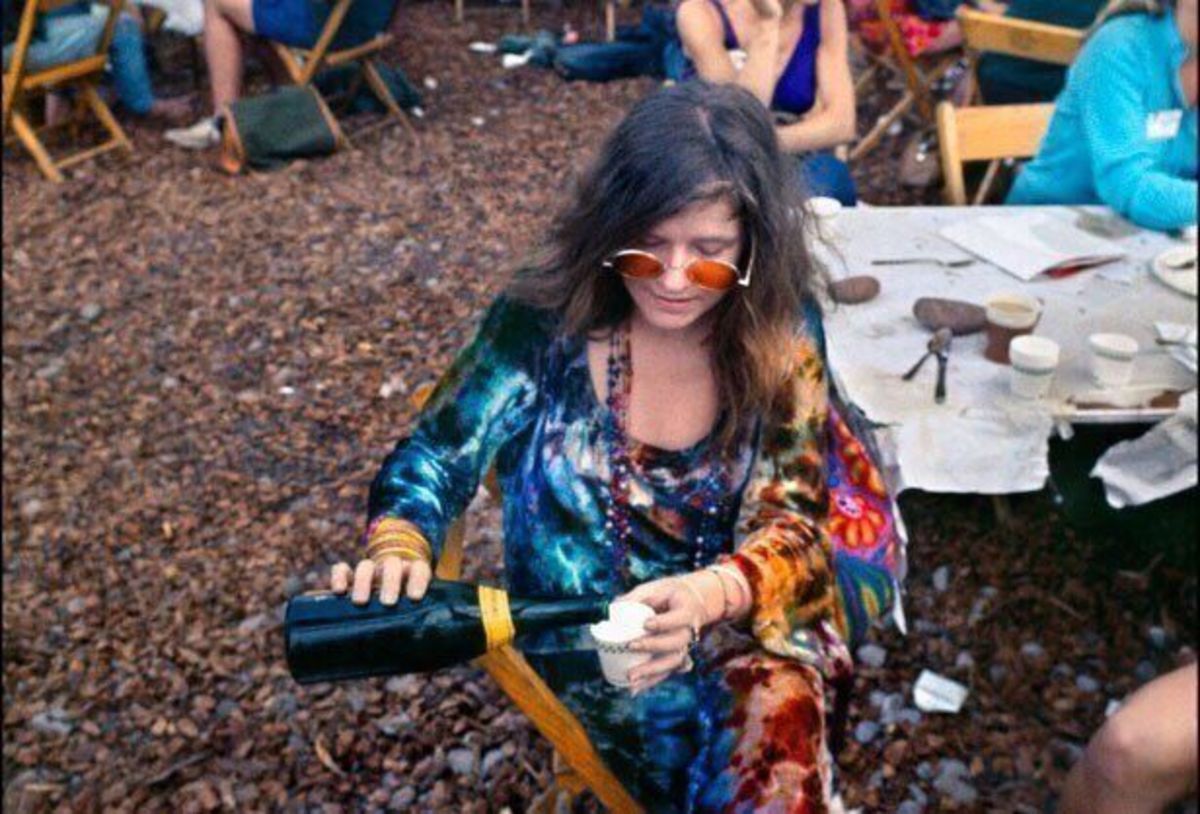
Janis Joplin died in October 1970 at just 27 years old, another tragic member of the so-called “27 Club.” Her death shocked the music world, but her voice never faded.
Decades later, Janis Joplin remains a reminder that true beauty isn’t perfection — it’s power, honesty and soul. And no one sang that truth louder than she did.