
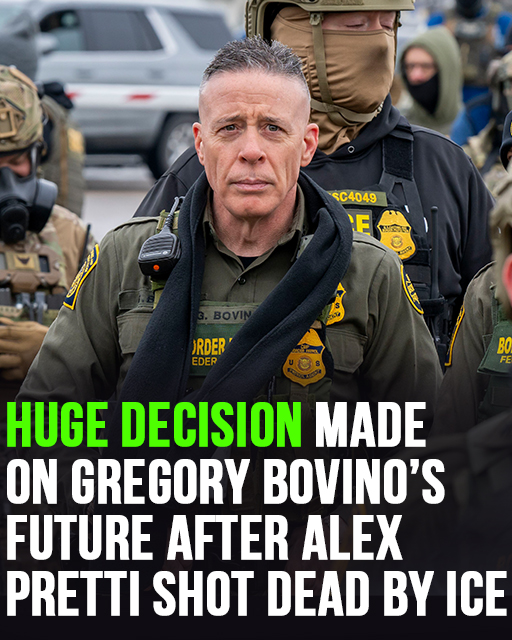
The reassignment of official Gregory Bovino from Minneapolis appears more a necessary release of pressure than a standard administrative move. The city’s residents have lived through weeks of intense, militarized enforcement operations marked by helicopters and nighttime door knocks.
This tense atmosphere was sharply intensified by the fatal shootings of Renee Good and ICU nurse Alex Pretti. These deaths transformed simmering discontent into pointed demands for accountability and transparency regarding who authorized these actions.
The public’s remaining trust was shattered when video evidence emerged contradicting the official account of Pretti’s killing. This has forced the administration to attempt an immediate rewrite of its narrative.
The arrival of a new “border tsar,” Tom Homan, coincides with claims that Bovino’s transfer is routine. However, multiple signs suggest a quiet strategic retreat is underway.
These clues include abruptly removed talking points, frozen official social media accounts, and a marked change in rhetoric. The language has shifted from labeling protesters as “domestic terrorists” to acknowledging a “tragic loss of life.”
Minneapolis now serves as a potent caution. It demonstrates that when governance is executed primarily through fear, an eventual reckoning becomes inevitable.
The city’s experience underscores that accountability ultimately finds its way back to those who issued the orders.