
The killing of Ali Khamenei and the strike targeting Iran’s top leadership have pushed the Middle East into a volatile new phase. The operation marked a dramatic escalation, signaling a direct blow to the country’s command structure.
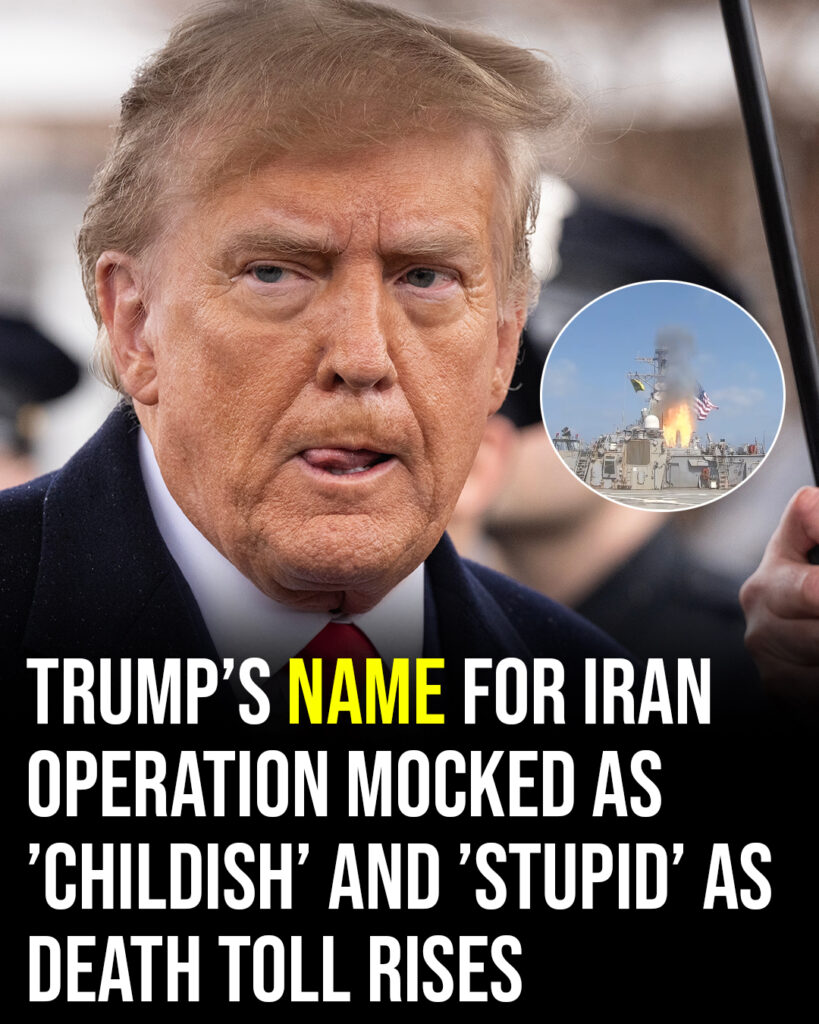
U.S. B-2 bombers reportedly targeted ballistic missile facilities, while Israeli aircraft struck launcher sites. Reports also claimed that several Iranian naval vessels were destroyed as heavy smoke rose above Tehran and casualty figures climbed into the hundreds.
Despite the intense military campaign, unnamed U.S. officials suggested that possible new figures within Iran’s leadership had indicated openness to dialogue. President Donald Trump later confirmed he had agreed to hold discussions.
The unrest has not remained contained within Iran. Iran-aligned militias in Iraq and Lebanon have launched attacks against Israeli and American positions, widening the scope of the confrontation.
Gulf nations have warned of potential retaliation, while British military facilities have reportedly faced drone threats. The violence has increased fears of a broader regional spillover.
American casualties have been reported, and attacks have struck civilian areas, including cities and religious sites. European governments are now closely monitoring developments amid concerns they could be drawn further into the crisis.
As airstrikes continue alongside behind-the-scenes diplomacy, uncertainty dominates. Observers are watching closely to see whether negotiations can produce a cease-fire or whether events will spiral into a far larger and more destructive conflict.