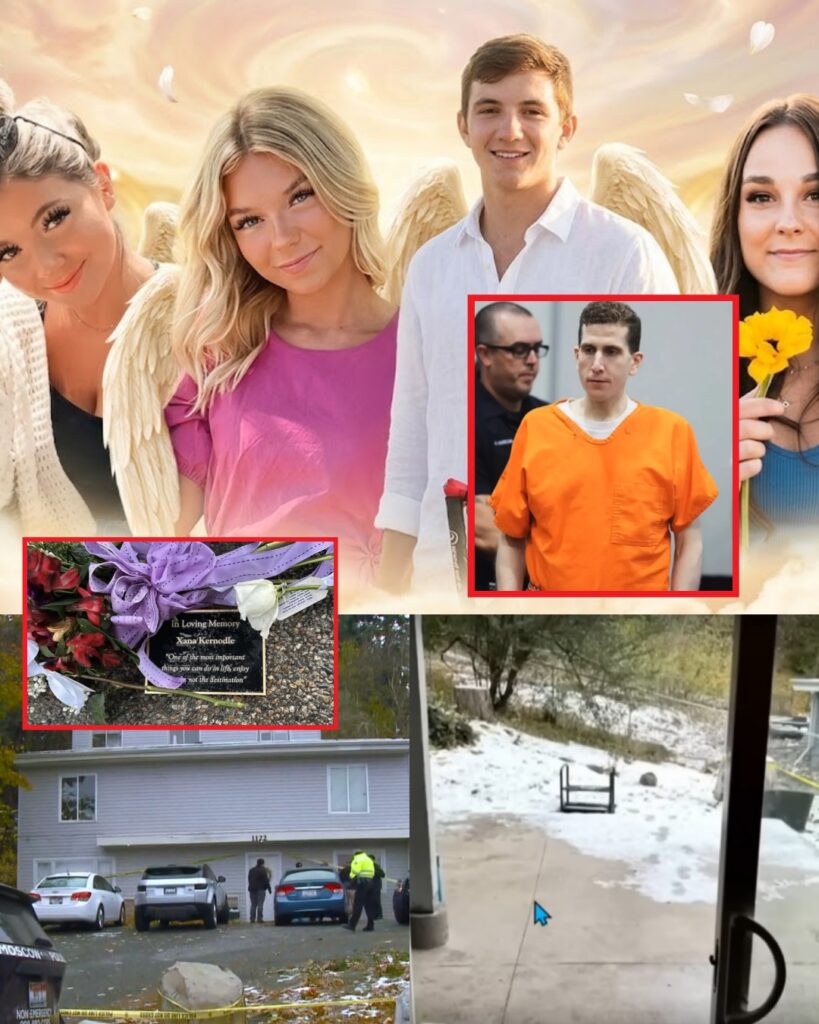
The quiet college town of Moscow, Idaho, was shattered on November 13, 2022, by a horror so profound it seemed almost unreal. Four young University of Idaho students — Madison Mogen (21), Kaylee Goncalves (21), Xana Kernodle (20), and Ethan Chapin (20) — were brutally stabbed to death in their shared rental home, just steps away from campus. The gruesome scene would later be described by investigators as “the most horrific crime scene” they had ever encountered. Yet, while the town grieved and law enforcement scrambled to find the perpetrator, one man was executing a chillingly calculated plan just ten miles away.
A Monster in Plain Sight
Bryan Kohberger, a criminology PhD student, had all the tools and knowledge to understand how crimes are investigated. And, disturbingly, he used that knowledge to try to cover his tracks. In the days following the massacre, Kohberger’s calm, almost eerily normal behavior would shock the nation and offer a window into the mind of a calculating killer.
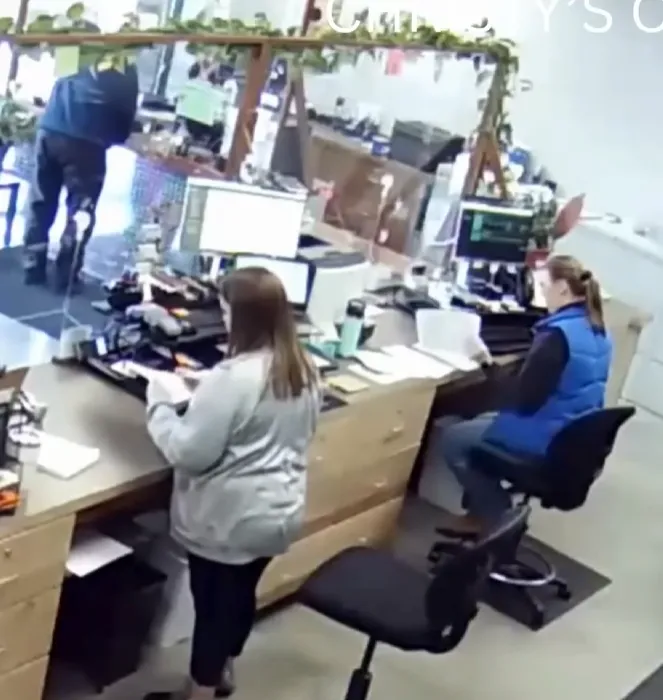
Five days after the murders, Kohberger appeared on surveillance cameras at the Pullman, Washington DMV. In the footage, he walks casually into the office, seemingly relaxed, dressed in everyday attire. He approaches the counter to transfer the license plate of his white Hyundai Elantra — a vehicle that would later become a key piece of evidence — from Pennsylvania to Washington.
It wasn’t just the act itself that left the public horrified. It was the calm, conversational demeanor he displayed. Kohberger chatted casually with the DMV clerk, discussing topics ranging from his doctoral studies to hiking and car shortages, all while a fourfold murder hung over him. The ability to compartmentalize such a heinous act from normal social interaction left investigators and citizens alike questioning the depths of human darkness.
The Tactical Mind of a Criminology Student
Kohberger’s actions were no random coincidence. With his academic background in criminal behavior, he understood how police track suspects. Changing his vehicle registration was a deliberate attempt to obscure the link between him and the scene of the crime.
Authorities had begun investigating vehicles in proximity to the murder scene, paying close attention to a white Hyundai Elantra. By transferring the vehicle’s registration to another state, Kohberger attempted to make his car vanish from the radar, buying himself critical time while law enforcement followed false leads.
The DMV maneuver also introduced what experts call a “temporal gap,” slowing down investigators who relied on local vehicle registration records. What seemed like an ordinary bureaucratic procedure had, in reality, been a meticulously planned step in evading justice.
Yet, Kohberger’s confidence became his vulnerability. Digital footprints, security camera footage from other locations, mobile phone data, and most crucially, DNA evidence left on the murder weapon, ultimately left him no escape. The very knowledge he wielded to outsmart law enforcement could not shield him from the all-encompassing forensic net closing in.
A Cross-Country Attempt at Normalcy
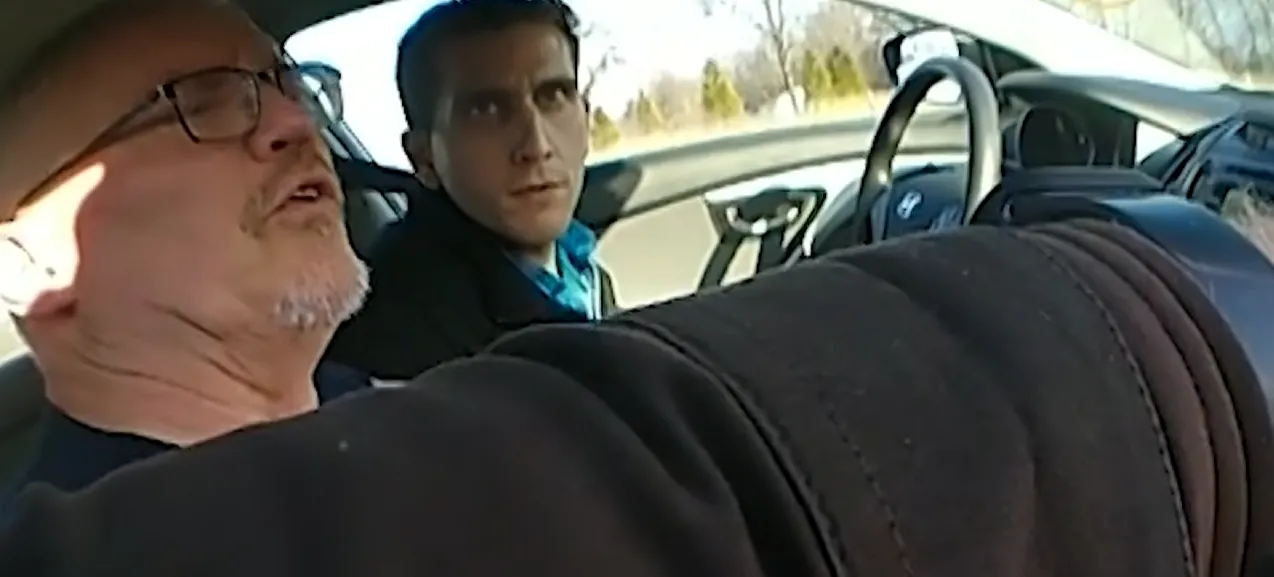
After the license plate switch, Kohberger continued his life as a student, attending classes and maintaining the appearance of a normal academic schedule through the winter break. In mid-December, he embarked on a cross-country drive with his father from Washington to Pennsylvania, traveling in the same white Hyundai Elantra implicated in the murders.
The trip itself could have been his undoing. Indiana police officers stopped him twice for following too closely. In bodycam footage, Kohberger remained calm, answering questions about his studies at Washington State University. He appeared to believe that his intellectual guise and the new license plates would keep him safe indefinitely.
But law enforcement’s patience and forensic diligence proved stronger. By December 30, a specialized task force executed a raid in Pennsylvania, apprehending Kohberger. His days of pretending to live a normal life were over.
Justice at Last, Pain That Lingers
The legal process was long and arduous, but the outcome was definitive. By summer 2025, Kohberger pleaded guilty to four counts of first-degree murder. He received four consecutive life sentences without the possibility of parole — a grim reminder of the weight of his crimes.
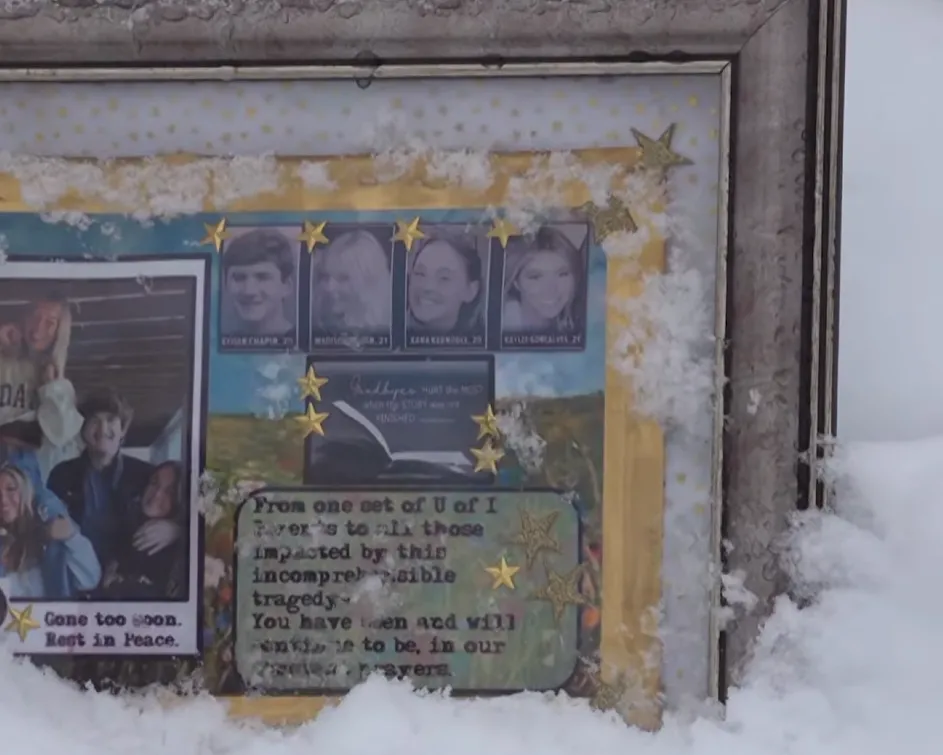
Yet, the case did not end with his incarceration. The families of the victims, particularly Kaylee Goncalves’ family, spearheaded legislative changes in Idaho to protect the dignity of victims. A new law now limits the public release of graphic crime scene photos or images of victims’ bodies without family consent. This act of advocacy transforms tragedy into a shield for others, ensuring that the pain endured by these families does not multiply through online exploitation.
The Chilling Reality of Evil in Plain Sight
The University of Idaho murders are a stark reminder that evil can lurk behind familiar faces — even those cloaked in intelligence and academia. Kohberger understood criminal psychology, yet he grossly underestimated the collective effort of law enforcement, forensic science, and the enduring determination of victims’ families.
In the courtroom, as Kohberger remained silent, the voices of the families spoke volumes. They chose justice over vengeance, advocacy over despair. While Kohberger will spend his life confined behind prison walls, the memory of Madison, Kaylee, Xana, and Ethan lives on — immortalized not by the horror of their deaths but by the courage and resilience of those they left behind.
This case continues to resonate as both a cautionary tale and a testament to the unyielding pursuit of justice. It serves as a chilling insight into the mind of a cold-blooded killer, a reminder of the fragility of safety, and a celebration of the strength found in human compassion and solidarity.