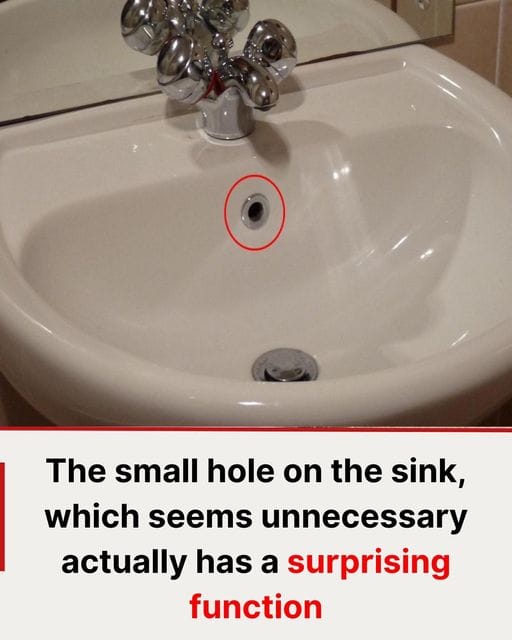
Most people have used a sink countless times without noticing the small opening located just beneath the faucet. It blends into the porcelain or stainless steel surface, often overlooked in daily routines. However, this subtle feature serves an important purpose in preventing common household water damage. When water levels rise too high, the opening redirects excess water through a secondary channel, helping prevent it from spilling over the edge and causing unnecessary mess or damage.
The importance of the overflow opening becomes clear when minor issues occur. A partially blocked drain, a tap left running, or a brief distraction can cause water to accumulate quickly. Instead of flowing onto countertops or floors, the excess water moves through the overflow passage and back into the drainage system. This added layer of protection can help preserve cabinets, flooring, and surrounding surfaces, reducing the risk of costly repairs and maintaining the condition of your home.
In addition to preventing overflow, this feature also supports better drainage performance. Standing water can contribute to unpleasant odors and an unclean sink environment, particularly in kitchens and bathrooms. By allowing air to circulate and water to drain more efficiently, the overflow system helps minimize stagnation. Improved water flow supports a fresher, more hygienic space and contributes to overall household cleanliness.
Like any part of a plumbing fixture, the overflow opening benefits from occasional maintenance. Soap residue and debris may collect inside the narrow channel over time, which can lead to blockages or unwanted smells. Cleaning is straightforward and can be done using a small brush along with warm water to clear buildup. Simple household cleaning methods can help maintain proper function. When kept clean and clear, this small design detail continues to provide reliable protection and demonstrate how thoughtful engineering enhances everyday living.